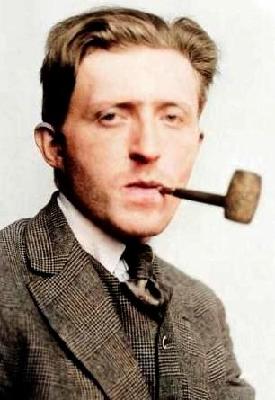
In the winter of 1933, on January 28th, a man named David Feldman was found dead under mysterious circumstances in his Manhattan, New York apartment. The discovery of his body, bearing multiple injuries, immediately suggested foul play and prompted a thorough investigation by the local authorities.
As detectives delved into the case, they began questioning those who knew David Feldman, including his close associates and neighbors.
The accounts they provided of the time leading up to his death were varied and at times conflicting, painting a complex picture for the investigators. The police also scrutinized Feldman's personal and professional life, searching for any potential motive that might have led to his violent demise. Despite their extensive efforts, the investigation was fraught with challenges, primarily a lack of concrete evidence and the contradictory nature of witness testimonies.
In the months that followed, the case of David Feldman's death remained a puzzle, with no clear answers in sight. The media closely followed the unfolding events, and the public remained captivated by the mysterious death. Eventually, the police identified a person of interest, a man who had reportedly been seen near Feldman's apartment on the night of his death. This individual was taken into custody and formally charged with murder.
However, the case against the suspect was not strong enough to secure a conviction. Faced with insufficient evidence, the authorities were forced to release him. The investigation into David Feldman's death continued, but the trail grew cold. Over the years, various theories and speculations have emerged, yet the truth of what transpired in that Manhattan apartment has never been definitively established. The case officially remains unsolved, leaving a lingering sense of unanswered questions.