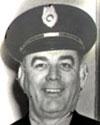
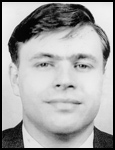
In the tumultuous days of September 1971, Elmer Hardie, a 57-year-old man, found his life tragically cut short within the walls of the Attica Correctional Facility in upstate New York. He was an Industrial Training Supervisor, a civilian employee caught in the crossfire of one of the most infamous prison riots in American history. The uprising began on September 9, 1971, when inmates, protesting inhumane conditions, seized control of the prison and took several employees, including Hardie,
hostage. For four tense days, negotiations between the inmates and state officials unfolded, with the prisoners issuing a list of demands for better living conditions and an end to brutality from guards.
The situation reached a devastating climax on the morning of September 13, 1971. Under the order of Governor Nelson Rockefeller, state troopers and correction officers launched a full-scale assault to retake the prison. A haze of tear gas filled the prison yard as law enforcement opened fire. In the ensuing chaos, 29 inmates and 10 hostages, including Elmer Hardie, were killed.
In the immediate aftermath, official reports stated that the inmates had slit the throats of the hostages. This narrative, however, was quickly proven false. Autopsies revealed that Elmer Hardie and the other nine hostages had not been killed by the inmates, but had died from gunshot wounds inflicted by the state police and correction officers during the raid. This revelation ignited a firestorm of controversy and led to decades of investigation and legal battles.
Despite the clear evidence that law enforcement gunfire was responsible for the deaths of the hostages, no specific individuals were ever charged or convicted for the death of Elmer Hardie or the other hostages. Investigations into the riot and the retaking of the prison were fraught with allegations of a cover-up. While numerous inmates were indicted for their roles in the uprising, only one state trooper faced charges of reckless endangerment. Ultimately, then-Governor Hugh Carey pardoned the convicted inmates and the single indicted trooper. The death of Elmer Hardie remains a tragic chapter in a larger story of systemic failure, violence, and the elusive quest for accountability.