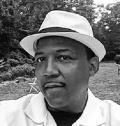
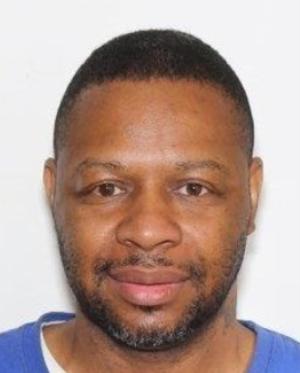
In the spring of 2017, a family visit turned into a tragedy in a quiet neighborhood in Cheektowaga, a suburb of Buffalo, NY. William P. Hardy, a 54-year-old male from Fairfield, California, was in town to see his son. An Army veteran and a respected mentor and coach in his community, Hardy was well-loved by those who knew him. However, this visit would tragically be his last. On April 3, 2017, he was shot and killed inside his son's home on Whitney Place.
The circumstances surrounding his death were particularly shocking as the person responsible was a member of his own family.
The investigation into William Hardy's death quickly focused on his 31-year-old son, Sirwilliam Hardy. He was arrested and charged with second-degree murder and criminal possession of a weapon in connection with his father's shooting. As the legal process began to unfold, a complex and sorrowful picture emerged. Friends and family were left grappling with the question of how a seemingly close father-son relationship could end in such a violent manner. The case delved deep into the troubled mind of the accused, revealing a history of mental health challenges that would become central to the legal proceedings.
During the court proceedings, it was determined by psychiatric experts for both the prosecution and the defense that Sirwilliam Hardy was suffering from a significant mental disease or defect at the time of the incident. This led to a plea of 'not responsible by reason of mental disease or defect.' In June 2018, a judge ruled that Sirwilliam Hardy was 'dangerously mentally ill' and ordered him to be committed to a secure psychiatric facility for treatment. This outcome meant that instead of a traditional prison sentence, he would receive mental health care in a secure setting, bringing a somber conclusion to a case that highlighted the devastating intersection of family, violence, and mental illness.