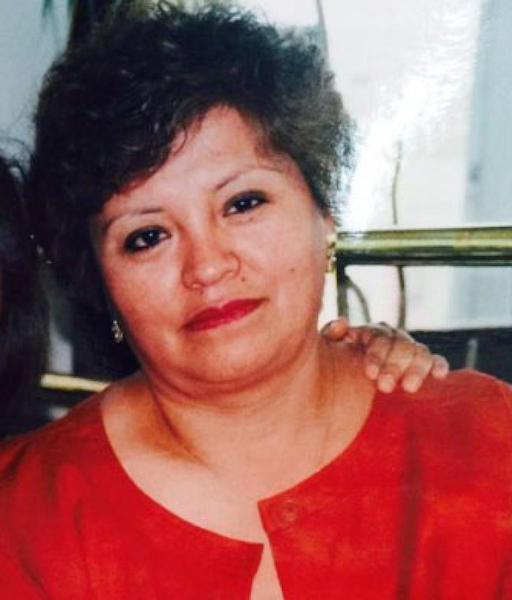
On February 24, 1992, Dr. Shahin Hashtroudi, a 45-year-old woman, was finishing up a routine day in Bethesda, Maryland when a stranger looking for a car crossed her path as she was leaving her office. Iranian-born and known in academic circles for her work in psychology and memory research, she was suddenly confronted, shot once in the head, and left mortally wounded as the attacker took her car and disappeared.
What made the killing feel especially cruel to investigators was how quickly it blended into motion: the stolen vehicle didn’t vanish into a chop shop or a quiet back street, but reappeared as a tool in a larger rampage. Authorities later tied the car to a bank robbery in Chantilly, Virginia, where it served as transportation for the same man who had taken it from the parking lot in Bethesda—an early clue that the shooting was not an isolated grudge, but part of a roaming pattern of armed theft.
The suspect who emerged from the growing case file was Allan Patterson Newman, a Maryland man whose trail was already marked by carjackings, bank robberies, and multiple killings across the region. His capture came months later after a dramatic chase that crossed state lines and ended in Harpers Ferry, West Virginia, where a standoff and negotiations finally brought him into custody. After his arrest, investigators from multiple jurisdictions worked to connect events that had seemed scattered, building a single narrative out of surveillance, witness reports, and forensic evidence.
Ballistics work became one of the turning points. Testing connected the handgun Newman carried at the time of his arrest to the Hashtroudi shooting, and the case against him widened as authorities linked him to other murders from the same spree. Prosecutors ultimately pursued murder charges, and the case moved away from mystery and toward accountability as Newman faced the weight of multiple homicides rather than a single violent encounter.
In the end, the courtroom story did not hinge on a surprise witness or a last-second confession, but on the accumulation of evidence and the grim coherence of the timeline. Newman reached a plea agreement that spared him the death penalty, pleading guilty and receiving multiple life sentences, along with additional time for firearms offenses tied to the crimes. He remained incarcerated at the Jessup Correctional Institution until his death in 2000.
One lingering complication around the record of Dr. Hashtroudi’s death is that later online memorial listings have sometimes reported a different date—February 29, 2000—despite other published references placing her death in 1992. What does not change across accounts is the core tragedy: a scholar’s life ended in a sudden, predatory act, and a single stolen car became a thread that helped investigators tie her killing to a wider spree that eventually led to an arrest, charges, and convictions.