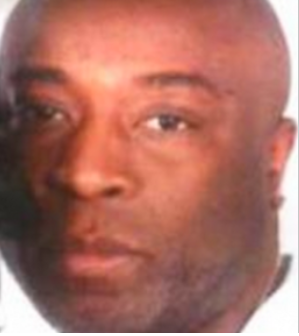
Edgar Coronado was a 21-year-old man from Adelphi, Maryland, who died on September 16, 2007.
There’s a particular kind of silence that follows a death like this. It doesn’t feel like quiet in the peaceful sense. It feels like a missing piece that never stops pulling at the edges of a family’s life. Twenty-one is still so close to the beginning.
It’s an age where a person is usually stretching into independence—making plans that feel big enough to last forever, building friendships that are starting to look like family, imagining work, love, travel, next steps, the next season, the next year. And then, in one hard, irreversible moment, that forward motion stops, leaving everyone who cared about him to measure time in two halves: before and after.
Because all we have here is what you gave—his name, his age, where he was from, and the date he died—the details of what happened are not present in this telling. But the absence of those details doesn’t make the loss any smaller. In some ways it makes it heavier, because it leaves space for the mind to wander and replay questions that have nowhere to land. Where was he headed? Who last spoke to him? What did he laugh at that week? What was he looking forward to that he never got to reach? For the people who loved him, those questions can become a second kind of grief—one that returns in waves, sometimes quietly, sometimes all at once.
A death at 21 doesn’t just take a person; it takes a whole future. It takes birthdays that will never be celebrated the way they should have been. It takes the chance for him to grow older and tell stories about being young, to soften into adulthood, to become someone’s partner, someone’s father, someone’s steady presence. It takes the ordinary moments too—the casual phone calls, the inside jokes, the holidays where his place at the table should still be there. Even for people who knew him only briefly, the memory can cling in surprising ways: a voice, a gesture, a look, a single kindness that now feels sharper because it can’t happen again.
Adelphi is the place tied to his name, and places hold grief in strange ways. Streets and corners and familiar routes can become markers of memory. A neighborhood can keep a kind of echo, as if the air itself remembers. For those closest to Edgar, it’s likely that certain times of year—especially mid-September—carry a weight that others around them can’t see. Anniversaries like that don’t always arrive with drama. Sometimes they come as a tightness in the chest on an ordinary morning, or a sudden recollection that knocks the breath out of you because the calendar insists on remembering even when you’re trying to get through the day.
What remains, when facts are scarce, is the truth that Edgar’s life mattered. A person is not defined by the moment they died, or by the way the world records that death. A person is defined by the life that came before it—the relationships, the hopes, the personality, the small habits and big dreams. Somewhere, there are people who can still picture him clearly, who can still hear how he sounded when he was happy or annoyed, who remember him in motion, in real life, not as a line of information. And that’s the part that deserves to be held onto: not just the date, not just the loss, but the fact that there was a young man who lived, who was known, and who left a space behind that no one else can fill.