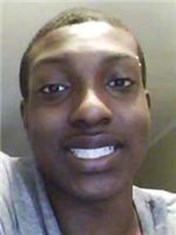
Kimani Williams, a 16-year-old Black male from New Orleans, Louisiana, was killed on June 27, 2017, in a shooting that unfolded near the 3100 block of Paris Avenue. In the hours after the gunfire, what remained was a stunned neighborhood and a family suddenly forced into the kind of grief that doesn’t feel real at first—until it does, in every quiet moment that follows.
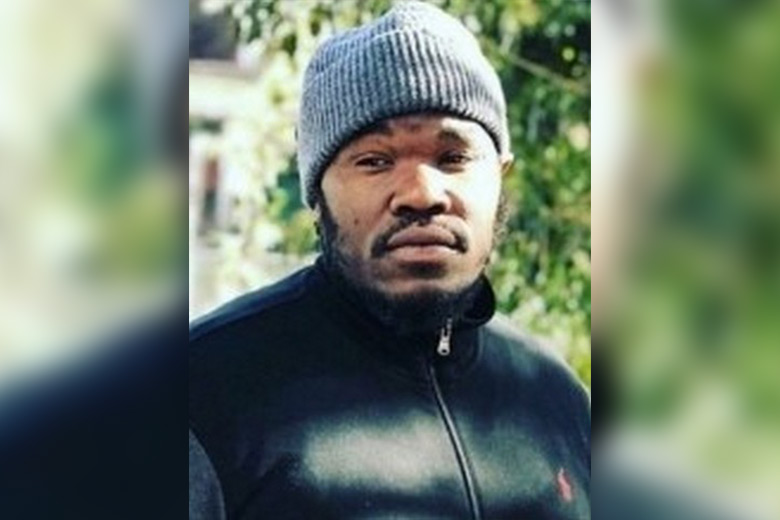
Investigators with the New Orleans Police Department treated the case as a homicide and pushed forward looking for the people who could explain what happened and why. Weeks later, detectives publicly appealed for help identifying two unknown males they believed had valuable information about the killing. The department emphasized a careful distinction: the men were not being sought as suspects in the murder itself, but as persons of interest who might hold key details that could move the investigation toward whoever was responsible. Even so, the message carried an unmistakable urgency—someone out there knew more than they were saying, and the case was still waiting for the break that could turn whispers into answers.
Publicly available reporting and memorial records confirm the date and place of the loss, but they do not name a shooter, describe an arrest, or outline a prosecution connected to Kimani Williams’s death. The trail that should lead from a crime scene to handcuffs, court hearings, and verdicts remains, at least in what has been publicly posted, unresolved—leaving the case defined less by closure than by the enduring absence of it.