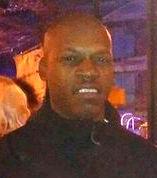
Deontray Brown, a 27-year-old man from Baltimore, Maryland, died in the early hours of October 23, 2018, after gunfire ripped through the 4000 block of Brendan Avenue. It was just after midnight when patrol officers were dispatched to reports of a shooting, and they arrived to find him suffering from a gunshot wound to the chest. He was rushed to a hospital, but the wound proved fatal, turning what started as an emergency call into another homicide investigation before the night was even over.
The city had already been reeling that same night from another deadly shooting, and the closeness in time only deepened the sense of an unfolding, sleepless violence. Police described the Brendan Avenue incident as separate from the earlier case, but the rhythm was hauntingly similar: a late-night response, a victim found gravely wounded, a frantic transport to the hospital, and then word that the victim had died. By morning, the details made public were stark and spare—enough to mark the time and place, enough to confirm a chest wound from a shooting, but not enough to explain why he was targeted or what had led up to the moment the trigger was pulled.
In the immediate reporting on the homicide, investigators did not announce any arrests, and no suspect or suspect description was publicly identified in those initial accounts. Instead, the investigation was framed as open and active, with detectives urging anyone who knew something—no matter how small—to come forward through the homicide unit or Metro Crime Stoppers. The official public narrative, at least in the sources describing the night of the shooting, remained focused on the response and the plea for information rather than naming a shooter, a motive, or a sequence of events leading up to the killing.
As the case entered the long aftermath that so many Baltimore families know too well, the public-facing details stayed limited in the materials that were readily available online: the shooting in the 4000 block of Brendan Avenue, the fatal chest wound, and the absence of publicly confirmed suspects or arrests in the contemporaneous reports. What remains in view is the scene itself—an address block, a timestamp, and the unfinished space where answers are supposed to go, held open by investigators asking the community to help fill in what happened to Deontray Brown.