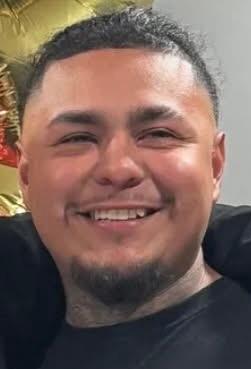
Do you know who murdered Cortez Randolph? Cortez Keith Randolph, a 17-year-old Black male from Louisville, Kentucky, was spending a December night doing something utterly ordinary: waiting for a TARC bus near Dixie Highway and Broadway in west Louisville. It was late on Monday, December 16, 2013, just before 11:30 p.m., when the routine moment turned violent. As he stood at the stop in the Russell neighborhood, near an alley behind a service station, a gunman walked up and opened fire.
Witnesses later told police that the shooter wore a mask, and that the first bursts of gunfire sent people at the stop scrambling for their lives.
Cortez tried to run. Wounded in the chest and torso, he managed only a short dash before collapsing in Esquire Alley, just north of Broadway, where officers and medics later found him. The coroner determined he died at the scene from multiple gunshot wounds. Neighbors woke to the sound of sirens and the glow of police lights cutting through the dark, learning by morning that the teenager who often rode buses through their streets would not be coming home again.
In the days that followed, a fuller picture of who had been lost began to emerge. Cortez was a student at Moore High School, described in his obituary as an honor roll student and a very talented football player. Friends and relatives remembered him by his nickname, “Littles,” a small-statured kid with a big personality who showed up at local teen events, skating rink parties, and neighborhood gatherings, often turning up in the background of other people’s memories as the friend who made them laugh or tried to outplay everyone on the court. His family circle was large and close-knit, with parents, grandparents, siblings, and cousins left to navigate the sudden emptiness his death created.
The community responded quickly. Local promoters who knew Cortez from their events organized a benefit at the Static Event Center on Manslick Road, turning a Friday night dance into a fundraiser to help pay for his funeral. Teenagers who used to attend their parties came out again, this time to grieve and to support his family. Organizers spoke about how often they had seen young faces from their dance floors later appear in news reports as victims, and how losing Cortez felt almost like losing a family member. The fundraiser, held just days after the shooting, became both a gesture of practical help and an expression of collective sorrow for yet another young life taken.
Investigators, meanwhile, were left with a chillingly thin description of the killer. A woman who had been at the bus stop when the first shots rang out told detectives she saw the shooter but that he wore a mask, and she fled as soon as the gunfire started. Police said they believed Cortez was specifically targeted rather than the victim of a random act, but they did not publicly disclose any potential motive. In the early reports, officers noted that there were no persons of interest and no arrests, and as days turned into weeks, that status did not change.
Years later, the case still haunted his family. By 2020, coverage of another tragedy involving his relatives mentioned that the 2013 killing of Cortez at the bus stop near Dixie Highway had “grown cold,” a stark acknowledgment that the investigation had stalled without a suspect in custody. Louisville Metro Police continued to list his picture and brief case description in their gallery of open 2013 homicides, a reminder that his death remains an unsolved killing in the city’s history. There have been no public reports of anyone being charged, tried, or convicted in connection with the shooting, leaving the image of a masked gunman at a west Louisville bus stop and the unanswered question of why a promising high school student was gunned down on an otherwise ordinary December night.