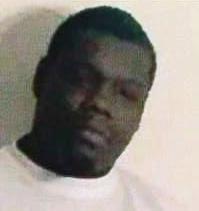
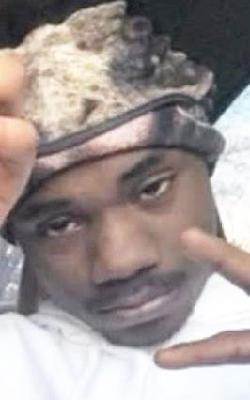
In a tragic and startling outbreak of violence within the supposed safety of a school, 17-year-old Earnest Dunlap, a male student at Eau Claire High School in Columbia, South Carolina, was shot and killed on January 24, 1994. The shooting occurred in a crowded hallway as students were changing classes, a moment of everyday school life that was shattered by gunfire.
Dunlap was shot four times by another student, sending shockwaves through the city and leading to the introduction of metal detectors in Richland District 1 schools.
The shooter was identified as 19-year-old Floyd Brown. Following the shooting, Brown was arrested at his home where he confessed to the crime, reportedly telling the arresting officer, 'I don't know why I did it.' The incident was preceded by a fight between Brown and Dunlap the day before. Brown claimed that Dunlap had threatened him and that he acted out of fear for his life. This claim of self-defense became the cornerstone of his subsequent murder trial.
During the trial, the prosecution painted a picture of a cold-blooded killing, emphasizing that Dunlap was unarmed at the time of the shooting. One student witness testified to seeing Brown shoot Dunlap in the back. However, the defense successfully portrayed Brown as a vulnerable young man who was terrified of Dunlap, whom they characterized as a bully with a reputation for violence. Brown himself testified that Dunlap had been advancing towards him in an aggressive manner, smiling, even after Brown had pulled out his. 22-caliber pistol. He stated that fear, not pride, was the motivation for his actions.
After two hours of deliberation, the Richland County jury acquitted Floyd Brown of murder. The verdict, which surprised prosecutors, indicated that the jury accepted the defense's argument of self-defense. Following his acquittal on the murder charge, federal gun charges that had been filed against Brown for bringing a weapon to school were also dismissed after the law he was charged under was found to be unconstitutional.