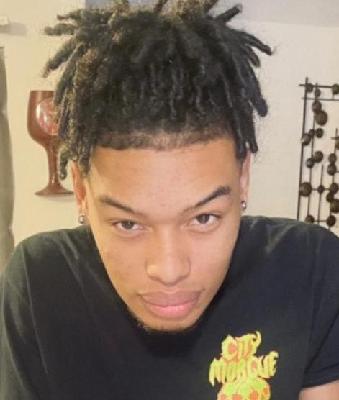
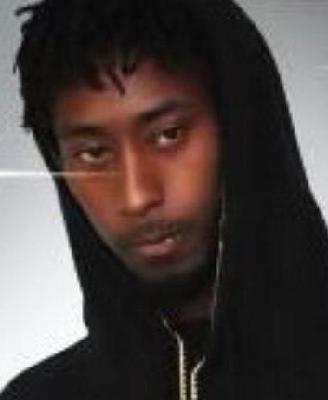
Travis Brown was a 16-year-old male from North Charleston, South Carolina, whose life was cut short by gunfire on January 18, 2015. Online memorials and obituary notices remember him as Travis Brown Jr., the son of Dana Holmes and Travis Brown Sr., part of a large extended family that gathered days later at Little Bethel Pentecostal Holiness Church in North Charleston for a celebration of his life before he was laid to rest at Johnson Cemetery in the same city.
On the Saturday night before his death was officially recorded, Travis went to a party at the Fairwinds Apartments off Otranto Road, a complex of low-rise buildings in a working-class area of North Charleston. According to local crime reporting that drew heavily on social media posts from friends and acquaintances, the gathering was typical of weekend nights there: music, photos and status updates, and a sense of bravado that often bled from the internet into real life. Those same posts later suggested that an argument or brewing tension at the party escalated into gunfire, and Travis was shot at or near the apartment complex. Some of the people who had been with him that night were accused by others online of running when the shooting started, leaving him gravely wounded on the ground as police and medics were called.
The killing resonated beyond a single night’s violence because of who Travis was connected to and what his online persona represented. A local crime blog pointed out that he was related to Donald Tyree “Reeky Rackz” Brown, a young man who had himself been found dead months earlier in a car in North Charleston, and it highlighted that Travis used the nickname “TikeGang LilTrav” on social media. That name tied him, at least in image and association, to a broader neighborhood gang culture that had already drawn police attention after previous shootings and retaliatory violence in the area. The blog reproduced screenshots of Travis posing with others, referencing local crews and firearms, and warned that his death might spark calls for revenge, reflecting how quickly grief in the community could harden into threats of further bloodshed.
In the immediate aftermath of the shooting, local television coverage reported that one teenager was dead and another teen had been taken into custody by North Charleston police, suggesting that investigators moved quickly to detain at least one possible suspect that night. Over time, however, the focus of the investigation shifted. Gun violence tracking databases list the incident as a homicide and identify a man named Tyree Steed as a subject-suspect who was arrested in connection with a 2015 shooting, matching the date and location of the Fairwinds Apartments killing that claimed Travis’s life.
Years later, when Steed was arrested on unrelated attempted-murder charges, a detailed news story noted that he had previously been one of two suspects charged with murder in the 2015 homicide of a 16-year-old boy at the Fairwind Apartments in North Charleston. Court records cited in that same report showed that the Fairwind murder case was ultimately “thrown out,” indicating that the prosecution did not go forward to a conviction. The article did not spell out why the case was dismissed or what happened to the co-defendant, and publicly available court and news records do not describe any later successful prosecution for the shooting that killed Travis.
Taken together, the scattered pieces of public information paint a picture of a teenager whose death arose from a volatile mix of youth, social media bravado, and longstanding neighborhood conflicts. He left behind parents, siblings, grandparents, and extended family who mourned him in church pews and at a quiet cemetery, even as the criminal case faltered and the names of suspects came and went in headlines and databases. Years on, no one appears to have been held legally accountable in a lasting way for the bullets that ended Travis Brown’s life outside those North Charleston apartments.