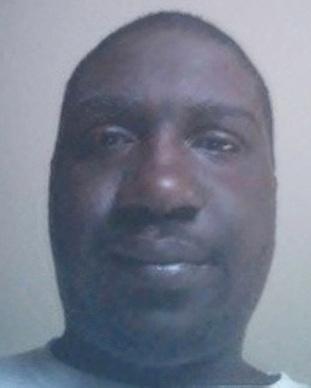
On March 20, 2015, 35-year-old Trejan Jenkins, a Black man from Orangeburg, South Carolina, was shot and killed on Shadowlawn Drive at the apartment complex where he lived. In the quiet of that evening, neighbors later told investigators they first heard raised voices, a brief, tense argument cutting through the normal sounds of the neighborhood. That confrontation ended abruptly with a single gunshot.
When deputies from the Orangeburg County Sheriff’s Office arrived, they found Jenkins fatally wounded from a gunshot to the upper body at his own residence, and he was pronounced dead at the scene.
In the days and months that followed, the loss rippled through his family and the wider Orangeburg community. For a time the case remained unsolved, and the absence of answers weighed heavily. At a gun violence awareness rally organized by a local teenager, Jenkins’s mother, Vernette, was described walking with her son’s picture in her hands, speaking about how he had been shot to death that March and how no one had yet been brought to justice. Her presence at the rally captured the mix of grief and determination that often follows in the wake of an unsolved killing, as families try to keep a loved one’s name from fading while investigators continue to work behind the scenes.
More than a year after the shooting, investigators announced a major break. In June 2016, Sheriff Leroy Ravenell stated that his office had obtained a warrant for 18-year-old Curtis Green, charging him with the murder of Trejan Jenkins. By then, Green was already being held by the South Carolina Department of Corrections on unrelated charges of grand larceny and possession of a stolen vehicle, and arrangements were made to bring him back to Orangeburg to face the new murder charge. According to law enforcement, witnesses at the apartment complex reported hearing a brief argument just before that single gunshot, and detectives came to believe that the dispute centered on the theft of one of several vehicles parked at the complex. What had begun as a confrontation over suspected car theft, they concluded, had escalated in moments into the fatal shooting that ended Jenkins’s life.
The arrest of Green was presented by the sheriff’s office as the result of a long-running investigation that had never truly gone cold, a case they said they had “not stopped investigating” since the night Jenkins was found shot to death. Public records show that Green remained jailed on the murder charge in the years that followed; in 2018, he was identified by authorities as one of three inmates who escaped from the Orangeburg County Detention Center, with officials noting that he was in custody on a murder case stemming from the March 2015 shooting of Jenkins. That episode underscored how the legal story around the killing continued to unfold long after the night of the crime itself. However, readily available public reports do not clearly document the final outcome of the murder case—whether it ended in a trial, a plea, or some other resolution—leaving the ultimate legal disposition of the charges against Curtis Green in Jenkins’s death uncertain in the public record.