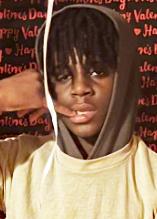
Delano Herman Middleton, a 17-year-old Black male, was a promising high school athlete, known for his prowess in both football and basketball. On the evening of February 8, 1968, after finishing basketball practice, he made a stop at the campus of South Carolina State College in Orangeburg. His mother worked there as a maid, and he often visited her after his practices.
That particular night, however, the campus was the scene of escalating tensions between student protesters and law enforcement.
For several days, students from the historically Black college had been protesting a local bowling alley's refusal to desegregate, a stance that defied the Civil Rights Act of 1964. On the night of Middleton's death, a large group of students had gathered on campus, and a significant presence of National Guardsmen, state highway patrolmen, and police officers had assembled nearby. The situation took a tragic turn when an officer was struck by an object, leading another officer to fire a warning shot into the air. In the moments that followed, at least eight other troopers and a police officer opened fire on the unarmed students.
In the ensuing chaos, as students attempted to flee, many were shot in their backs, sides, and even the soles of their feet. Delano Middleton was struck seven times. As he lay dying, he asked his mother to recite the 23rd Psalm for him. Two other young men, 18-year-old Samuel Hammond Jr. and 18-year-old Henry Smith, both college students, were also killed in what would come to be known as the Orangeburg Massacre. Approximately 27 other protestors sustained injuries. Middleton himself was not involved in the protests; he was merely in the wrong place at the wrong time, a bystander caught in a fatal volley of gunfire.
In the aftermath of the deadly confrontation, the state's governor, Robert McNair, publicly blamed 'black power advocates' for the violence. More than a year later, nine state troopers faced a federal trial on charges of imposing summary punishment without due process of law. A federal jury acquitted all of them in less than two hours. Conversely, Cleveland Sellers, a civil rights activist who was also shot during the protest, was convicted on a riot charge stemming from a protest at the bowling alley two days prior to the campus shooting and was sentenced to one year in prison. Decades later, Sellers was officially pardoned. Over the years, South Carolina leaders have acknowledged the state's responsibility for the tragic events of that night, with Governor Jim Hodges expressing deep regret in 2001 and Governor Mark Sanford issuing a formal apology in 2003. The state, however, has never conducted its own formal investigation into the incident.