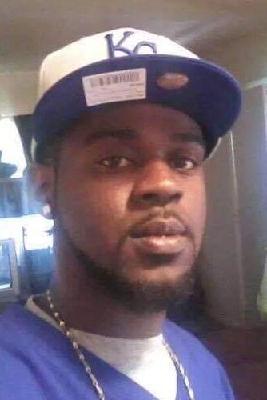
In the quiet town of Calhoun Falls, South Carolina, the life of 29-year-old Stanley Marshall Jr. was tragically cut short on April 5, 2015. The young man, a graduate of Abbeville High School's class of 2004, was known to his friends and family by the nickname 'Duke.' He was a member of Mt. Pleasant Baptist Church and an employee at Tahoma in Abbeville.
His sudden and violent death left a void in the community and a family mourning the loss of a son, brother, and friend.
The events of that fateful day unfolded into a grim scene of violence that claimed not only Marshall's life but also that of another man. The Calhoun Falls shooting prompted an intensive investigation by local and state law enforcement agencies. Their efforts soon led to a significant breakthrough in the case with the apprehension of multiple individuals believed to be connected to the incident. In the days following the shooting, authorities announced the arrests of six people, sending a ripple of both relief and concern through the close-knit community.
While the arrests marked a crucial step forward in the pursuit of justice for Stanley Marshall Jr. and the other victim, the full scope of the legal proceedings that followed remains a complex narrative. The individuals taken into custody faced a range of serious charges, including murder and attempted murder, painting a picture of a brutal and calculated act. The ensuing trials would delve into the specifics of that violent day, seeking to untangle the motives and actions that led to the tragic loss of life.
For the family of Stanley Marshall Jr., the legal process offered a semblance of closure, though the pain of their loss would forever remain. He was survived by his parents, Stanley and Daisy Marshall, his sister, and three brothers. The community gathered to remember him at Long Cane A.M.E. Church, with his burial taking place at Forest Lawn Memory Gardens. The story of his untimely death serves as a somber reminder of the devastating impact of gun violence on individuals, families, and entire communities.