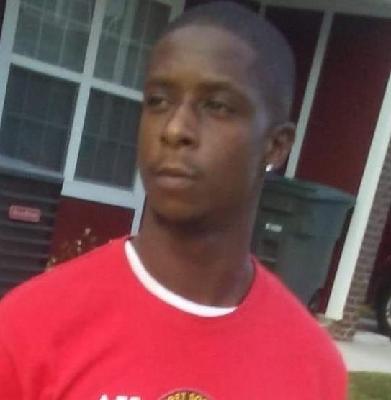
Antonio D. Abney was a 28-year-old Black man from Williston, South Carolina, whose life was cut short on October 29, 2015, when he was killed by gunfire in his hometown. On a Thursday in late October, what began as an ordinary day in the small Barnwell County community turned into a death investigation after a shooting, drawing law enforcement into yet another act of violence that would leave a family and town in mourning.
Local coverage at the time described authorities opening a “death investigation” following a shooting in Williston, a clinical phrase that only hinted at the suddenness with which Antonio's life ended and the shock that rippled through the people who knew him.
In the days that followed, attention shifted from the crime scene to the gathering places where loved ones tried to make sense of what had happened. Obituaries noted simply that Antonio “entered eternal rest” on October 29, 2015, phrasing that softened the brutality of a shooting into language of passing and homegoing, as is often the case in Southern Black church traditions. Family and friends were invited to come to the house of his great-grandmother, Helen Davis, on Allendale Avenue in Williston, a familiar address that became an unofficial center of grief where relatives, neighbors, and old classmates could drop by, bring condolences, and sit with the family in their living room as they processed the loss.
The scale of the community's response emerged most clearly in the funeral plans. Instead of a small sanctuary, the Home Going Celebration for Antonio was scheduled for November 7, 2015, at the Williston-Elko District Auditorium on Main Street, a larger venue more suited to the number of people expected to attend. Reverend Freddie L. Bush and Reverend Joseph Williams Sr. were listed to officiate, signaling a service grounded in faith, music, and remembrance, where speakers would recall his life rather than dwell on the violence that ended it. The program called for burial at Sandhill Cemetery, a local resting place, underscoring that even though his death had become a matter for investigators and reporters, his story, in the end, returned to the red clay and pine-lined roads of the community where he had grown up.
Beyond the obituary columns and funeral announcements, other traces of Antonio's death appeared in online memorials that framed his killing in the wider landscape of American gun violence. A national gun-violence memorial recorded his name, age, and the date and place of his death, noting simply that he was “lost to gun violence” in Williston. That brief entry, surrounded by hundreds of others from across the country, transformed his story from a local tragedy into part of a larger chronicle of lives ended by bullets, while candles lit in his memory and short messages of remembrance suggested how deeply he was missed by those who knew him personally.
In the immediate aftermath of the shooting, law enforcement treated the case as a homicide investigation, and later reporting preserved on memorial sites indicates that follow-up news coverage announced an arrest in connection with the Williston shooting that claimed Antonio's life. The brief references that remain do not widely share the suspect's name, the specific charges, or the eventual outcome of any court proceedings, leaving the public record thin on the details of accountability. What lingers instead are the fragments: the notice that a young man from Williston was shot and killed, the formal language of an obituary and funeral announcement, and the quiet testimony of those who continued to write his name, light virtual candles, and remember him years after the gunfire stopped.