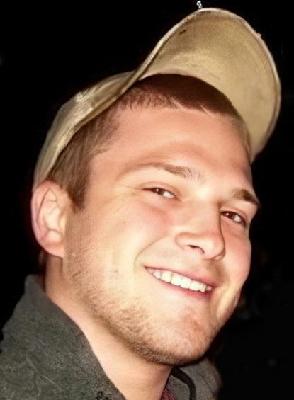
Darius Jones, an 18-year-old Black/African American male from Timmonsville, South Carolina, was shot and killed on the afternoon of February 1, 2016, at a home on Byrd Street. Public reporting identified him as the person who died in the shooting and said deputies with the Florence County Sheriff’s Office were called to the residence after the gunfire.
The Florence County Coroner’s Office later confirmed through autopsy findings that Jones died from a gunshot wound, while investigators initially treated the case as a homicide as they worked to determine exactly what happened inside or around the home.
The public record gives only the framework of the case: a teenager was shot at a Byrd Street home in broad daylight, the coroner confirmed the fatal wound, and the Florence County Sheriff’s Office, Timmonsville Police Department, and coroner’s office were involved in the investigation. What the early articles did not explain was why Darius was targeted, who else may have been present, whether the shooter came from outside the home, or whether the person responsible was already nearby when the shooting happened. Those unanswered questions are where online discussions add possible—but unconfirmed—background.
According to online discussions, some community members have focused heavily on Darius’s movements before he arrived at the Byrd Street home. One person claimed that Darius did not leave school alone that day and said school entrance cameras, if functioning, may have captured him leaving with another male. Another person described that individual as a young, skinny Black male of similar height, possibly younger than Darius, with upward-growing natural hair and a noticeable voice. The discussions do not identify that individual by name, do not confirm whether he was a witness, suspect, friend, relative, or unrelated student, and do not show that law enforcement ever publicly named him as a person of interest. Still, if accurate, the claim that Darius left school with someone could be important because it narrows the timeline between school, the trip home, and the shooting.
The online discussions also raise questions about how Darius got home that day. People debated whether he drove, rode with someone, took a bus, or was picked up. That question matters because, if another person traveled with him, investigators would likely want to know who that person was, whether they entered the home, whether they left before the shooting, and whether they heard or saw anything. The discussions also speculate that the shooter may have already been at the residence, may have been familiar to people at the home, or may have stayed near the scene after the gunfire. Those are theories, not confirmed findings, but they are tied to the reported idea that no obvious fleeing suspect or vehicle was seen immediately afterward.
One of the more specific claims in the online discussions concerns a possible motive. One person alleged that students at school were talking that day about a money-related dispute involving Darius, with one student reportedly saying, “All that over $50,” and another allegedly saying before the funeral that they felt sorry for “Bo” but that “you can’t play with people money.” The same person said the rumor at school was that Darius had “drama with a guy about money” and that the person was angry with him before the shooting. None of that has been confirmed in the public news reports reviewed, and no named suspect has been tied to that alleged dispute in the available reporting. But as a possible lead, it gives the case a more concrete direction than the early articles provided: the shooting may not have been random if the alleged dispute was real.
The scene itself remains one of the most haunting parts of the case. Online discussions mention a neighbor who reportedly heard two shots, went outside, saw nothing, and remained outside for a period afterward without noticing anyone running away or a vehicle leaving. They also reference bloodhounds being used after the shooting and claim the dogs did not locate a runaway scent. Those details, if accurate, have led some people to wonder whether the person responsible fled in a way that was not obvious, was already inside or behind the home, blended in with others at the scene, or remained nearby after the shooting. Again, those are theories from online discussions, not confirmed law enforcement conclusions, but they show why people close to the case continue to question the official silence around suspects and arrests.
No publicly available reporting reviewed identifies an arrest in Darius Jones’s killing. The early news reports said deputies were investigating the death as a homicide, but they did not name a suspect, announce charges, describe a trial, or report a conviction. Online discussions likewise repeatedly describe the case as unresolved and urge anyone with information to contact authorities, including the Florence County Sheriff’s Office. As of the available online information, Darius’s death remains publicly unresolved: a young man killed at a home in Timmonsville, a possible timeline beginning at school, unverified community talk of a money dispute, questions about who was with him before the shooting, and no confirmed public answer about who pulled the trigger.