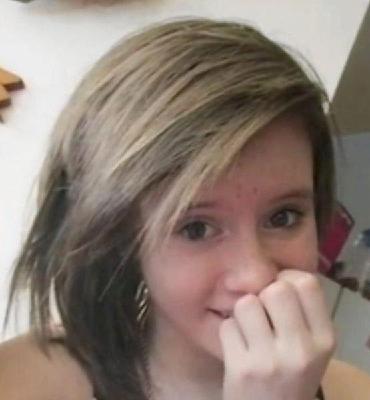
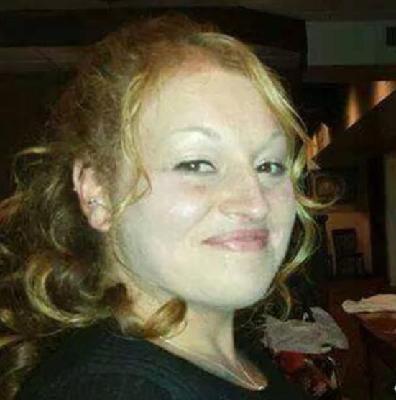
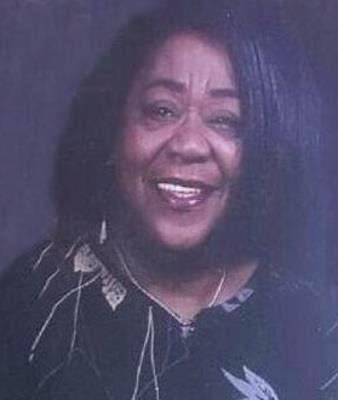
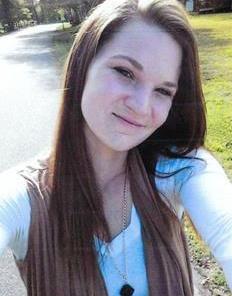
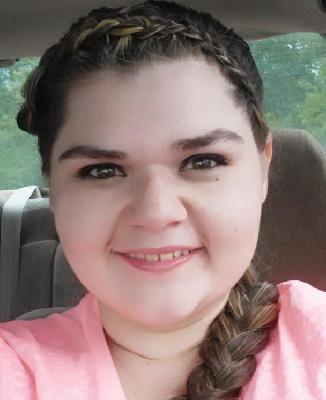
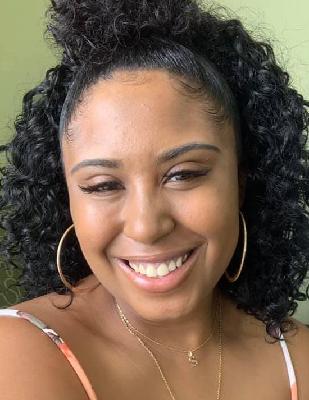
Tahara Crosby, a 24-year-old Black woman, was killed on the night of August 9, 2017, in Walterboro, South Carolina, a loss that rippled through her family and a community already rattled by the sound of gunfire. Deputies were dispatched to a home on Twin Oaks Drive, arriving to a scene that, in minutes, would be treated not as an emergency to be saved, but as a death to be investigated.
Investigators said the call brought them to 25 Twin Oaks Drive shortly before 9 p.m., where Crosby was found suffering from a gunshot wound and was pronounced dead at the scene. In an incident report summarized publicly, a witness described seeing a Black man run from the area after the shooting, a fleeting figure in the confusion that followed.
The man who placed the 911 call was later identified as Crosby’s boyfriend, Khilil Nirek Morgan, and authorities later charged him with her murder. The publicly described incident report also noted Morgan told dispatchers he did not get to the phone right away because both of his legs were broken, while reporting at the time acknowledged it was unclear exactly when investigators began treating him as the primary suspect.
That same night in Colleton County, another shooting was reported hours later, underscoring the tense backdrop against which Crosby’s death landed. In the days that followed, the grief became immediate and practical: a fundraiser created by her mother described Crosby as “unexpectedly shot and killed,” and said she left behind a five-month-old baby boy and another son who was five years old.
Funeral arrangements circulated online in the wake of the killing, indicating services were planned through Koger’s Mortuary Service, with a public viewing on August 15 and a funeral service on August 16 in Ruffin, South Carolina, followed by interment at a church cemetery. Public reporting available online about the case focused on the shooting and the murder charge; those accounts did not include later details about a trial, plea, or final court outcome.