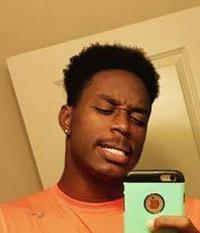
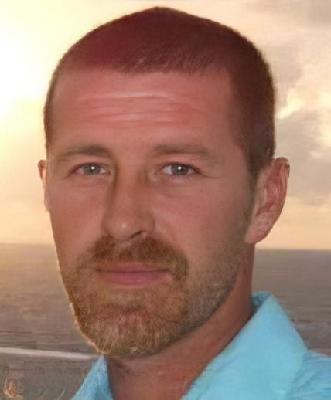
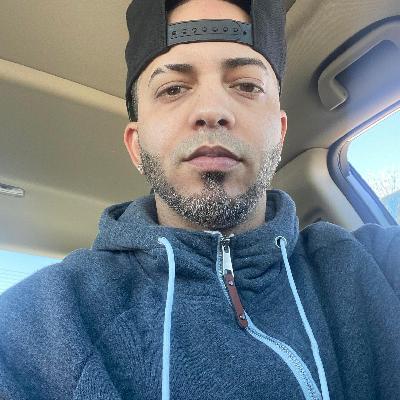
On a late-September Monday in 2018, 21-year-old male Albert Badger Jr. left behind the ordinary rhythms of life in Fairfax, South Carolina, without any sign that the day would end in tragedy. Born on January 3, 1997, in nearby Allendale County to Ellie Mae Mitchell and Willie Albert Badger Sr., he grew up in the local public schools and was known to family and neighbors by the nickname “AB,” remembered for an easy sense of humor and the way he brought laughter into even quiet rooms. His family circle was large and close-knit, with parents, siblings, grandparents and friends woven together around him, and when he died they gathered to mourn at St. Luke Missionary Baptist Church in Fairfax, holding visitation in late September and a funeral service that closed out the month.
On the night of September 24, 2018, Fairfax was settling into the familiar stillness of a small Southern town when the calm was broken at John’s Pool Hall, a longtime neighborhood spot along South Hampton Avenue where locals came to shoot pool and talk away the evening. Shortly after 11 p.m., Albert was sitting in a vehicle outside the pool hall when violence erupted. A gunman approached and opened fire into the vehicle, shattering the routine of a quiet Monday night. The shooting left Albert mortally wounded; he was later reported as having been “lost to gun violence” that day in Fairfax, a stark phrase that stood in for the chaos and fear of those final minutes.
In the hours that followed, the scene outside John’s Pool Hall turned from a casual gathering place into an active homicide investigation. Fairfax police, joined by the South Carolina Law Enforcement Division, began piecing together what had happened from frightened witnesses and physical evidence left behind in the parking lot. Before long, investigators announced that they were searching for a specific suspect: 39-year-old Rodrigues Demetress Doe. They released his full name, physical description, and warned that he was wanted for shooting and killing Albert. Witnesses told authorities that the shooter had fired a handgun into the vehicle where Albert was seated and then fled the scene in a red Nissan Altima, leaving only the echo of gunshots and the glare of tail lights disappearing down South Hampton Avenue.
Because Fairfax is a small community where people know one another by name and by sight, law enforcement turned quickly to the public for help. Crime Stoppers circulated Doe’s description, emphasizing his height and build and the car he was believed to be driving, and urged anyone who had seen him or his red Altima after the shooting to come forward. The case did not linger long without movement: by mid-October, an update from the same crime-fighting group announced that the suspect had been arrested, explicitly crediting one of their tips for leading to his capture. Around the same time, regional media reported that a “Fairfax murder suspect” had been arrested, tying that development back to the killing that had taken Albert’s life. Publicly available reports, however, offer no clear narrative of what followed in court—no accessible record of a full trial or final conviction in connection with Albert’s death—leaving the legal ending of the story largely outside the reach of online documentation.
What remains more visible is the trail of grief and remembrance in the months and years after the shooting. Online memorial pages mark Albert’s name, age, and the date and place where he died, with candles lit in his memory and messages from people who knew him or were moved by his story. Those tributes echo the tone of his obituary and funeral notices, which describe a young man rooted in Allendale and Fairfax, tied closely to his parents, siblings, extended family and friends, and remembered not first for the way he died but for the laughter, warmth, and presence he brought into their lives before a single night at a neighborhood pool hall cut that life short.