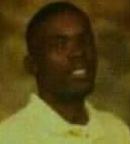
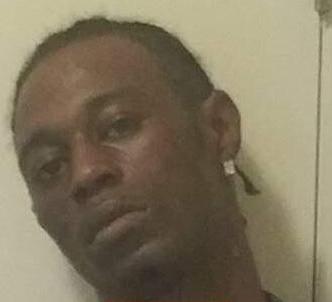
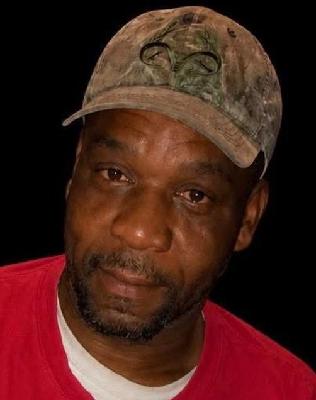
On a warm spring night in 2020, the quiet rural rhythms of Estill, South Carolina—a small Lowcountry town of just under two thousand people, surrounded by timberland and fields—were broken by gunfire. Barely a month earlier, an EF4 tornado had ripped through areas just south of the town, killing five people and injuring dozens, leaving the community shaken but trying to recover.
In the midst of that fragile rebuilding, on May 22, 2020, Rodriquez Williams, a Black/African American man from Estill, was shot and killed, his death recorded in national gun-violence records simply as a life “lost to gun violence” in his hometown on that date.
The formal record of what happened to Rodriquez is starkly brief: his name, his town, and the day he died. On the National Gun Violence Memorial, his profile is built around that single fact, noting only that he was lost to gun violence in Estill on May 22, 2020, with an obituary from a nearby funeral home listed as the sole external reference. Yet in the few words contributed by those who knew him, a more human picture emerges. Loved ones added his nickname, “4 digga,” and described his personality as outgoing, loving, and caring—small fragments of memory that push back against the cold finality of a date and a place. Dozens of virtual candles have been lit in his name, each one a quiet testament from family, friends, or strangers who refuse to let him be remembered only as another statistic.
Rodriquez’s killing is part of a troubling pattern for a town as small as Estill. The same memorial that lists his name also records several other fatal shootings in the community over the past decade, including victims in 2014, 2016, 2017, and another in 2021. For a place that describes itself as a “small town with a big friendly heart and delightful lowcountry charm,” the accumulation of such losses weighs heavily on the community’s story, contrasting sharply with the town’s official image of hospitality and close-knit life.
Despite the emotional traces of Rodriquez’s life preserved in online memorials, the public trail of information about how he died fades quickly. There are no readily available news reports in regional or statewide media that detail the circumstances of the shooting—no published description of where in town it happened, what led up to it, or who witnessed it. Publicly accessible gun-violence databases and memorial sites list his death but do not identify any suspect, describe an arrest, or trace the case through charges, trial, or conviction. In the written record that can be seen from the outside, Rodriquez Williams’ story ends with an unanswered question: a man known by those around him as “4 digga,” remembered as loving and outgoing, shot to death in his own small town, with no publicly documented resolution to explain who was responsible or why his life was taken.