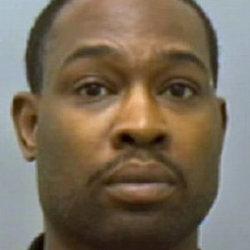
In the summer of 2000, a tragic event unfolded that would resonate for years to come in the St. Louis area. On June 12th, Ronald Beasley, a 36-year-old Black man, was shot and killed by undercover law enforcement officers in Berkeley, a municipality neighboring Dellwood, Missouri. He was a passenger in a car driven by his friend, Earl Murray, who was also killed in the incident. The shooting took place in the parking lot of a fast-food restaurant during what was described as a drug bust that went awry.
Authorities stated that two undercover officers, one from the Dellwood Police Department and a DEA agent, were involved in the operation targeting Murray. The officers reported that they opened fire because they feared for their lives, alleging that Murray had attempted to run them over with his vehicle. In total, 21 shots were fired by the officers. It was later determined that both Ronald Beasley and Earl Murray were unarmed at the time of the shooting. Beasley himself was not a suspect in the drug investigation; he was simply a passenger in the car with his friend.
The deaths of Beasley and Murray sparked significant controversy and protests within the community. Many questioned the officers' use of deadly force, particularly given that the men were unarmed and some witness accounts contradicted the officers' version of events. The St. Louis County prosecutor at the time, Bob McCulloch, presented the case to a grand jury.
Despite the public outcry and calls for accountability, the grand jury declined to indict the two officers involved in the shooting. A subsequent federal investigation was conducted to determine if the civil rights of Beasley and Murray had been violated. While the U.S. Attorney for the Eastern District of Missouri described the shootings as “troubling,” it was ultimately concluded that there was not enough evidence to pursue federal charges against the officers. The case officially remains a controversial one, with many in the community still viewing it as a profound injustice. The officers involved were never criminally charged for the deaths of Ronald Beasley and Earl Murray.