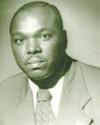
Reginald Snow, 30, was a Black man from Wellston, Missouri, whose life ended in the early hours of March 1, 2014, when gunfire tore through a home on the 1600 block of Vassier. By the time the scene settled into silence, Snow and a second victim, Stephanie Eaisley, were dead, the kind of sudden violence that leaves a neighborhood awake long after the flashing lights fade.
Investigators treated it as a targeted double homicide, working backward from what little the night had left behind.
The deaths were attributed to gunshot wounds, and the case quickly drew in St. Louis County authorities as they tried to piece together who had been inside that house, who had come and gone, and what motive could explain two lives taken in the same place, at nearly the same moment.
Within days, the investigation produced names. On March 10, 2014, prosecutors filed charges against Marquis McKinney in connection with the shootings. He was accused in the deaths of Snow and Eaisley and taken into custody, held on a cash-only bond as the case moved from an active homicide investigation into the slow machinery of court proceedings.
Police also publicly identified another figure in the story: Davion Henderson of Hazelwood. At the time charges were filed against McKinney, Henderson was described as a person of interest, and authorities warned that he should be considered armed and dangerous while they worked to locate him. The search for Henderson added a second thread to the case, one that hovered over the investigation even as the first arrest was already in hand.
Years later, the court outcome centered on McKinney. In May 2018, he pleaded guilty to two counts of second-degree murder and two counts of armed criminal action in exchange for 25-year sentences on each count, to be served concurrently. The plea closed one major chapter of the case by securing a conviction and a long prison term tied directly to the deaths of Reginald Snow and Stephanie Eaisley, even as questions lingered publicly about the broader circumstances and any additional responsibility beyond the man who ultimately admitted guilt in court.