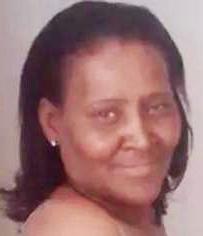
On January 16, 2015, the body of 37-year-old Juanita Davis was discovered in Saint Louis, Missouri, marking a tragic end to a life cut short by calculated violence. Authorities found the female victim fatally shot, a discovery that launched a homicide investigation into what was initially a mysterious killing on the city streets. As detectives pieced together the timeline, they began to uncover a sinister web of drug-related retaliation that connected her death to another murder that had
occurred just a month prior.
The investigation revealed that Juanita Davis was not a random victim but a target in a vendetta orchestrated by a local drug dealer named Dwane Taylor. In late 2014, Taylor had been robbed of drugs and money, an event that spurred him to seek violent revenge against those he believed were responsible or connected to the theft. To execute his plan, Taylor recruited an associate, Joe Moreland Edger, to assist him in locating and identifying his targets. The pair’s violent spree had already claimed the life of another woman, Erin Davis, in December 2014, though the two victims were not related.
Joe Moreland Edger played a critical role in the conspiracy, serving as the driver and facilitator for the crimes. According to federal court documents, Edger transported Taylor to the locations of the murders and provided the nine-millimeter firearm used to kill both women. In exchange for his participation and for supplying the murder weapon, Edger received a. 22 caliber firearm from Taylor. The partnership was lethal, with Edger helping to track down Juanita Davis in January, leading to her execution-style shooting by Taylor.
The pursuit of justice for Juanita Davis culminated years later in a federal courtroom. In March 2018, Joe Moreland Edger, then 43 years old, appeared before U.S. District Judge Catherine D. Perry. He was sentenced to 30 years in prison for his involvement in the murders, having been convicted of conspiracy to possess a firearm in furtherance of drug trafficking and being a felon in possession of a firearm. Dwane Taylor, who was already on state parole for a prior murder at the time of the killings, saw his parole revoked by the Missouri Board of Probation and Parole as a result of the investigation, ensuring that both men faced significant consequences for the brutal campaign of retribution that claimed Juanita Davis's life.