On the night of October 6, 2018, Jesse Young III, a 27-year-old man, was shot in Kansas City, Missouri, after a dispute near the 2300 block of East 9th Street, close to the area of Ninth and Olive. Officers were dispatched to the scene around 11:30 p.m., and Young was found down at the bottom of steps near a residence; he was pronounced dead there, turning a late-night argument into a homicide scene with neighbors and witnesses left trying to make sense of how fast it all spiraled.
In the early account pieced together by investigators, the confrontation began as an argument between two men and then moved outside. Witnesses told police that the disagreement escalated and that when it reached the outdoors, gunfire followed—an abrupt, irreversible break from words into violence. Prosecutors later noted that a young child was at home at the time, an extra detail that sharpened the sense of chaos and danger surrounding the shooting.
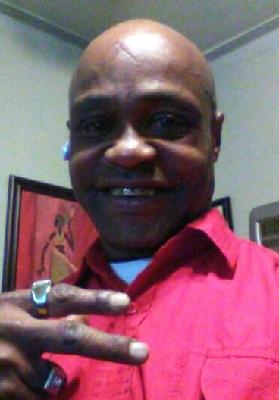
Police identified Marlawn D. Betts as the person they wanted to speak with after the shooting, and within a short time he was taken into custody. Jackson County prosecutors announced charges on October 9, 2018, accusing Betts of second-degree murder and armed criminal action in connection with Young’s death.
The charging narrative described to the public leaned heavily on what Betts told investigators and what the evidence did—or did not—show. According to the prosecutor’s office, Betts claimed Young threw a backpack and swung a punch, and that Betts fired two shots and then left the scene. Prosecutors said police found no evidence supporting the idea that Young had a gun, and witnesses did not report that he was armed—details that undercut any suggestion of an exchange of gunfire and framed the shooting as one-sided in the available accounts.
In the days immediately after the killing, the public record focused on the arrest, the filed charges, and the initial court posture, including a requested $250,000 cash-only bond. Later developments—such as whether the case ended in a plea, a trial, or a conviction—were not reflected in the publicly accessible announcements and reporting reviewed here, leaving the story’s final courtroom chapter unclear from these sources alone.