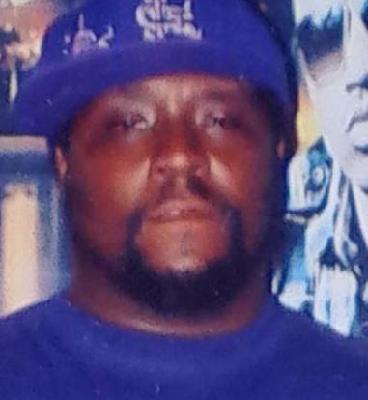
On October 28, 2019, 56-year-old Clenelle 'CJ' Johnson, a general contractor and owner of Major League Construction, was shot and killed in the Carondelet neighborhood of St. Louis, Missouri. Johnson was reportedly working on a rehabilitation project on Colorado Avenue when he and a partner realized they needed assistance moving materials. Seeking help for the labor job, Johnson walked to a nearby property in the 1000 block of Bates Street, where another renovation was underway.
Upon
arriving at the Bates Street residence, Johnson reportedly entered the home and announced his presence, inquiring if anyone was available to work for pay. Inside, he encountered 43-year-old Kevin A. Patrick, who was living in the home while remodeling it. According to later court testimony, Patrick claimed he was startled by the stranger entering his residence. Patrick, who was armed, fired multiple shots at Johnson, striking him fatally. Police arrived to find Johnson unresponsive; he was pronounced dead shortly thereafter. Investigators recovered two firearms at the scene and noted that Patrick appeared intoxicated.
Authorities arrested Kevin Patrick, and he was subsequently charged with first-degree involuntary manslaughter, armed criminal action, and possession of a loaded weapon while intoxicated. During the legal proceedings, the defense invoked Missouri’s 'Castle Doctrine,' arguing that Patrick acted in lawful self-defense against an intruder he perceived as a threat. Patrick waived his right to a jury trial, opting instead for a bench trial before a judge.
In September 2024, nearly five years after the shooting, St. Louis Circuit Judge Christopher E. McGraugh delivered a verdict of not guilty, acquitting Patrick of all charges. The judge ruled that the state failed to prove beyond a reasonable doubt that Patrick did not act in self-defense, citing testimony that Johnson may have picked up a hammer during the confrontation—a claim supported by DNA evidence found on the tool. The court determined that under the specific circumstances and applicable state laws regarding home defense, the use of lethal force was legally justified.