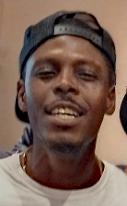
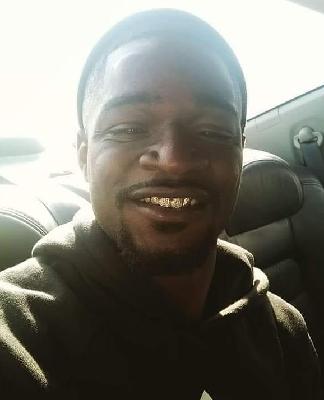
On the night of July 13, 2020, 21-year-old African American male Omar Harris was sitting in a vehicle near Saint Louis University in St. Louis, Missouri, when his life was abruptly taken in an act of violence that investigators would later describe as a case of mistaken identity. Harris was accompanied by 20-year-old Arie Bagsby in the 300 block of North Grand Boulevard, an area typically bustling with city life.
The two young men were parked outside a church near the intersection of Lindell Boulevard when a gunman unleashed a barrage of gunfire into their car. Witnesses reported hearing between 15 and 25 shots ring out, creating a chaotic scene that drew the immediate attention of nearby individuals, including former Missouri Governor Eric Greitens, who happened to be in the vicinity and rushed to render aid before emergency services arrived. despite these efforts, both Harris and Bagsby sustained fatal injuries and were pronounced dead, leaving their grieving families to grapple with the senseless loss of two young men described by Harris’s father as 'good kids' who had no involvement in the conflict that led to the shooting.
The investigation into the double homicide eventually zeroed in on a suspect, identified as Deshaun Ewing, who was 19 years old at the time of the offense. Detectives connected Ewing to the crime scene, though the St. Louis Circuit Attorney’s Office initially held off on filing charges, citing a need for further evidence. However, as the investigation progressed, authorities built a sufficient case to apprehend Ewing. He was taken into custody and subsequently charged with two counts of second-degree murder for the deaths of Harris and Bagsby. Further complicating his legal troubles, police also linked Ewing to the separate killing of 15-year-old Kyle Falker, which occurred nearly a year later in July 2021 at the Preservation Square housing development.
In March 2024, nearly four years after the tragic night on North Grand Boulevard, the legal proceedings against Deshaun Ewing reached a conclusion without a trial. Ewing, then 22, entered a guilty plea to the charges levied against him. By admitting guilt to the second-degree murder counts for killing Harris and Bagsby, as well as the murder of the teenage boy in 2021, Ewing avoided the possibility of a first-degree murder conviction. A St. Louis Circuit judge handed down a sentence requiring Ewing to serve 20 years in prison for the murders of Harris and Bagsby. Additionally, he received a consecutive 10-year sentence for the death of Kyle Falker and was ordered to serve federal prison time for unrelated drug conspiracy charges involving the distribution of fentanyl and heroin.