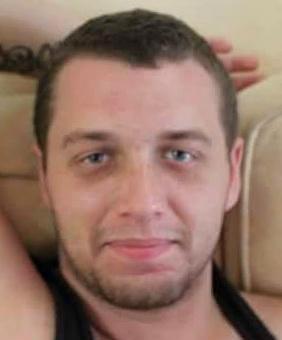
Razee Scott, a 22-year-old Black man from Indianapolis, was killed after gunfire erupted late on the city’s east side at the Orleans Apartments complex on Shortridge Road, turning an ordinary parking lot into a crime scene just before midnight on Saturday, August 20, 2011. When officers arrived, they found two people shot: one victim was inside a 2002 Chevrolet Tahoe, and the other lay several feet away.
Neither man lived at the apartment complex, and the suddenness of it all—two men struck down in the same place, at nearly the same moment—left investigators with a narrow window of time and a wide field of unanswered questions.
The other man killed in the shooting was Michael Harney, 27, also of Indianapolis. As police began piecing together what little they could from the scene, Harney’s background surfaced in early reporting, including a prior record that involved cocaine possession and a felony weapons possession case—details that hinted at possible motives without explaining who pulled the trigger, or why that particular parking lot became the setting for a double homicide.
In the days that followed, Scott’s death was marked not only by investigation but by mourning. An obituary published that week identified him as Ra’Zee LaNarr Scott and recorded his death date as August 21, 2011, as loved ones prepared services and burial arrangements—rituals of goodbye that moved forward even as the circumstances of his final hours remained unsettled in the public record.
As for accountability, the publicly available coverage from that period does not name a suspect, describe an identified person of interest, or report any arrest tied to Scott’s killing. The story that began in a darkened parking lot—with two men shot, a vehicle left as a silent witness, and a neighborhood startled awake by violence—did not, in those reports, reach the later chapters people hope for: charges filed, a courtroom reckoning, or a conviction to explain what happened and why.