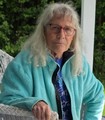
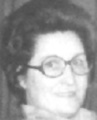
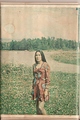
In the vast and often unforgiving wilderness of Alaska, the story of Darlene Luella Hall's disappearance is a poignant one. On May 15, 1998, the 34-year-old woman from Palmer, Alaska, vanished under tragic and abrupt circumstances. Darlene, who had brown hair and hazel eyes, was in the company of 41-year-old Michael Jaussaud when they embarked on a flight that ended in disaster. Their aircraft crashed on the formidable Knik Glacier, a massive and ever-shifting river of ice in the Matanuska-Susitna Borough. In a moment, the scenic flight turned into a desperate situation, leaving the fate of Darlene and her companion unknown.
The Knik Glacier is a notoriously treacherous and remote area, presenting immense challenges for any search and rescue operation. Following the crash, authorities, including the Alaska State Troopers, were faced with the daunting task of locating the downed aircraft and its occupants amidst a landscape of deep crevasses, unstable ice, and the constant threat of avalanches. The very nature of a glacier, which is in a perpetual state of slow movement, means that any evidence of a crash could be quickly buried under feet of snow or swallowed by the ice itself, making the window for a successful recovery incredibly narrow. The search for Darlene and Michael was a race against time and nature.
Despite what were undoubtedly extensive search efforts, neither Darlene Hall nor Michael Jaussaud were ever found. The official report, filed the day after the incident, marked the beginning of a long and unresolved case for the Alaska State Troopers. The circumstances of their disappearance are tragically clear: they were victims of an aircraft accident in a remote and wild location. The overview of this case is one of sudden loss in an environment where recovery is nearly impossible. The Knik Glacier, the site of the crash, likely became the final resting place for both individuals, leaving their families with unanswered questions and the enduring pain of a loss without closure.
Last Seen: May 15, 1998