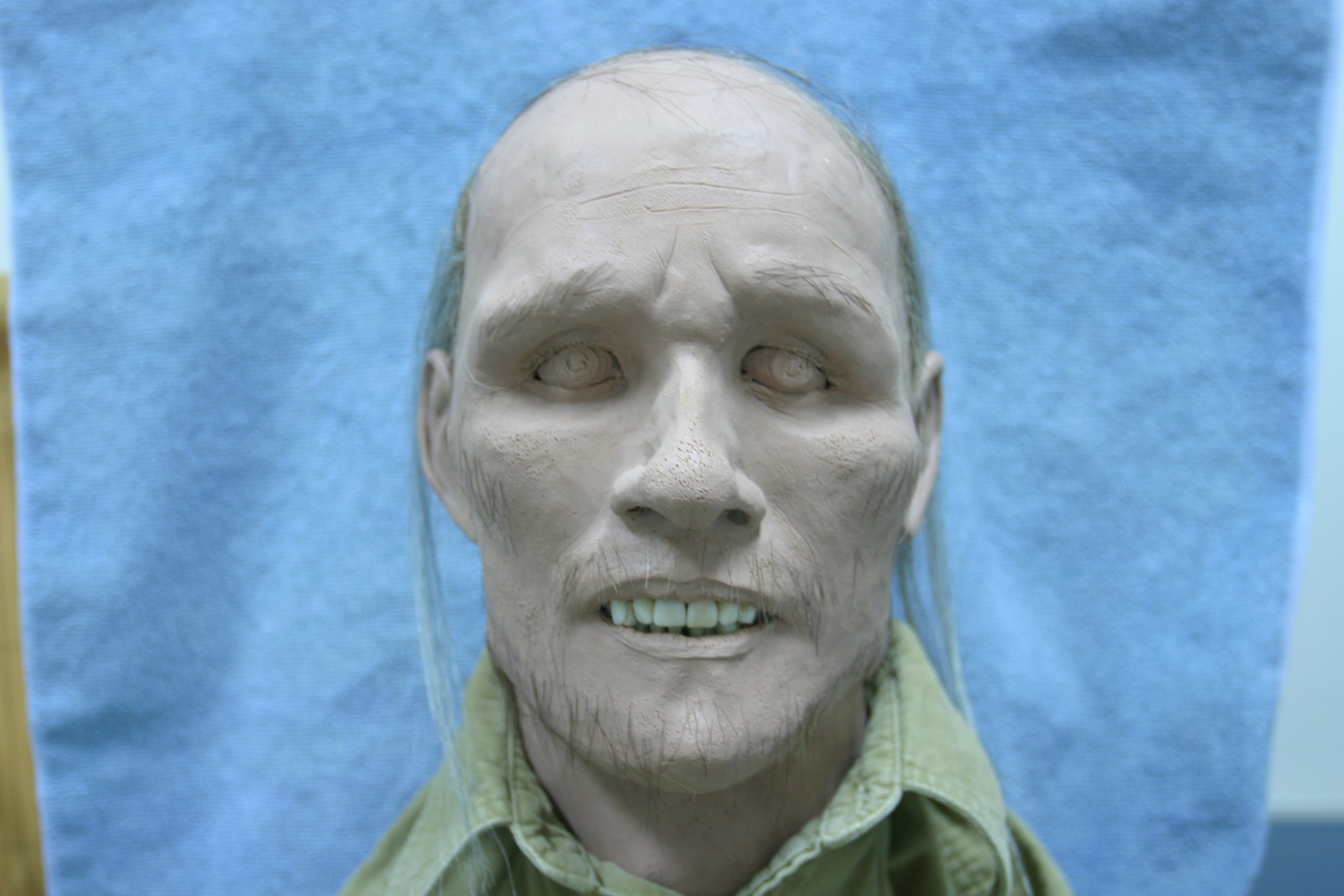
On September 30, 1974, 38-year-old Jay Larry Haddock, a white man with brown hair and brown eyes, was last known to be in Anchorage, Alaska, before boarding a Grumman G-73 Mallard amphibious aircraft bound for Kodiak. The airplane, registration N2965, was white with red trim and carried Haddock alongside Robert R. Johnson, Robert Bergman, and Leonard Boughton.
The flight was reportedly connected to a seabird survey, a mission that would take the four men across the vast and often unforgiving coastal environment between Anchorage and Kodiak. N2965 had been built in 1947 and was a twin-engine amphibious aircraft, a design capable of operating from either conventional runways or water. What began as an organized survey flight became a lasting mystery when the aircraft failed to reach Kodiak and was reported overdue.
The disappearance prompted extensive search-and-rescue operations across the expected flight area and surrounding waters. Searchers faced an immense region encompassing remote coastline, islands, mountainous terrain, and the Gulf of Alaska, where rapidly changing weather and difficult sea conditions can complicate even a precisely planned operation. Despite the scope of the effort, no confirmed trace of the Mallard or any of the four men was located. Available aviation records state that the aircraft disappeared during the seabird survey flight and was never found. Other accounts report that search operations continued for several days before being suspended, with no wreckage, debris, or other physical evidence recovered. No distress call was known to have been transmitted, leaving investigators without a final radio message or direct indication of what happened aboard N2965.
The absence of evidence has prevented investigators from determining the aircraft’s final location or establishing the precise chain of events that caused it to disappear. Some aviation summaries characterize the event as a presumed accident over the Pacific Ocean, but because the aircraft was not recovered, the cause could not be conclusively determined. There was no wreckage available for examination, no flight recorder evidence, and no surviving witness account from the aircraft. The possible explanations therefore remain limited to informed speculation rather than verified findings. Whatever occurred appears to have happened without enough warning for the pilot or passengers to communicate their circumstances, and the complete lack of recovered material has left the families of all four men without the certainty that normally follows a documented aviation investigation.
Jay Haddock’s disappearance remains recorded as a missing-person case associated with the loss of N2965. The Alaska State Troopers are identified as the investigating agency, while the National Missing and Unidentified Persons System lists the matter as case MP81045. Publicly available case information continues to describe the unsuccessful searches and names Robert Johnson, Robert Bergman, and Leonard Boughton as the three other missing occupants. No official resolution identifying Haddock as found alive or deceased has been reported in the available records, and the aircraft’s resting place remains unknown. His case endures not only as an unresolved disappearance but also as part of a shared tragedy involving four people who left Anchorage together and never arrived in Kodiak. In overview, Jay Larry Haddock was a 38-year-old man who vanished on September 30, 1974, after boarding a white-and-red Grumman Mallard for a survey flight from Anchorage to Kodiak; the aircraft became overdue, a major search found neither the plane nor its occupants, and the lack of wreckage or definitive evidence has left the fate of Haddock and the other three men unresolved.Last Seen: Sep 30, 1974