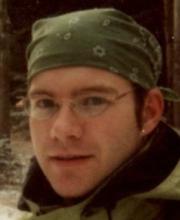
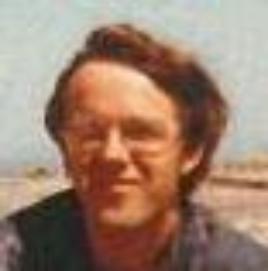
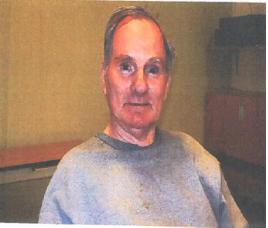
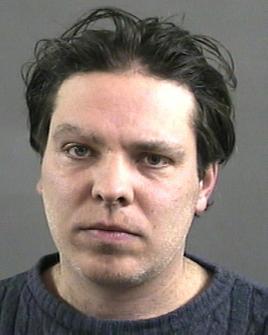
On March 14, 1978, Charles Trethewey, a 46-year-old man, was last seen in Vancouver, British Columbia, Canada. His disappearance became a mystery that would remain documented for decades, with very little information publicly available about the circumstances surrounding his last known whereabouts. Historical missing-person records identify Vancouver as the location of his disappearance, but they do not specify the precise address, neighborhood, or circumstances in which he was last observed. There is also no publicly verified account establishing whether Charles was traveling, going about his regular daily activities, or planning to meet someone when he disappeared. Details concerning his employment, family circumstances, personal relationships, and activities immediately preceding March 14 have not been established in the accessible records. The absence of these details makes reconstructing his final known movements particularly difficult.
What began as a disappearance in the spring of 1978 would eventually become a longstanding missing-person case, with fundamental questions about what happened to Charles remaining unanswered in the available documentation.
As the years passed, Charles Trethewey's disappearance continued to be represented in historical missing-person records. His case was included in the Doe Network's collection of missing and unidentified persons investigations under case number 3871DMBC. An archived listing of British Columbia missing-person cases from August 2009 included his case number and the March 14, 1978, disappearance date, demonstrating that his case continued to receive attention more than three decades after he vanished. The Doe Network's historical update records also indicate that information associated with Charles's case was updated on March 25, 2023. However, the publicly accessible update notice does not explain what information was changed or whether the update resulted from new investigative developments. There is no verified public account detailing searches conducted following his disappearance, witnesses interviewed, potential sightings investigated, or physical evidence recovered. Likewise, the available information does not establish whether investigators suspected foul play, believed Charles might have left voluntarily, or considered an accidental disappearance. Without confirmed evidence supporting any particular explanation, the circumstances surrounding his disappearance remain uncertain.
Nearly five decades after Charles was last seen, the available historical records provide no confirmed explanation of his fate or the events that followed his disappearance. No verified public information was located establishing that he was subsequently found or that the circumstances of his disappearance were conclusively resolved. The limited documentation leaves significant unanswered questions, including where Charles went after his last known appearance in Vancouver, whether anyone encountered him afterward, and whether information exists that has never been released publicly. The passage of time presents additional challenges for historical investigations, as memories fade, potential witnesses become increasingly difficult to locate, and records may be incomplete or unavailable. Nevertheless, even seemingly insignificant information from someone who knew Charles or remembers an encounter involving him in March 1978 could help clarify his final known movements. Anyone possessing credible information about his disappearance is encouraged to contact local law enforcement so that it can be evaluated by the appropriate authorities. Charles Trethewey's case remains a sparsely documented historical disappearance dating to March 14, 1978, in Vancouver, British Columbia. Despite the limited information available, his story represents the enduring importance of preserving missing-person records, continuing to seek reliable answers, and remembering that behind every unresolved disappearance is an individual whose life and circumstances deserve to be understood.Last Seen: Mar 14, 1978