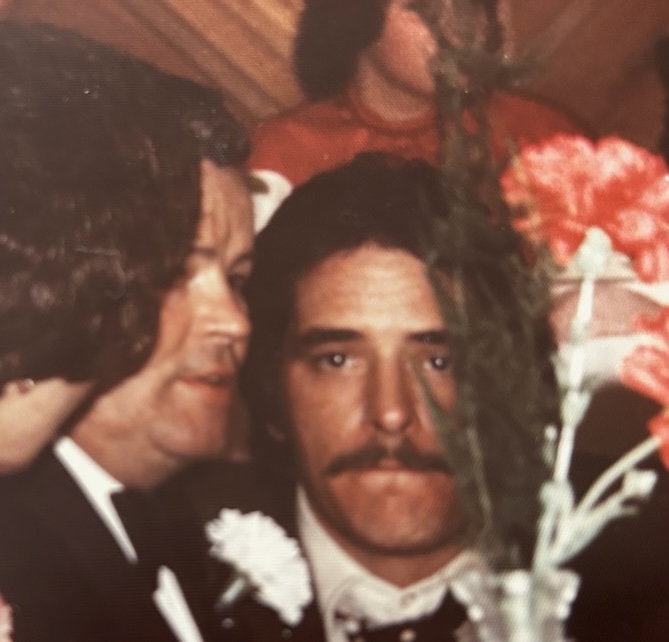
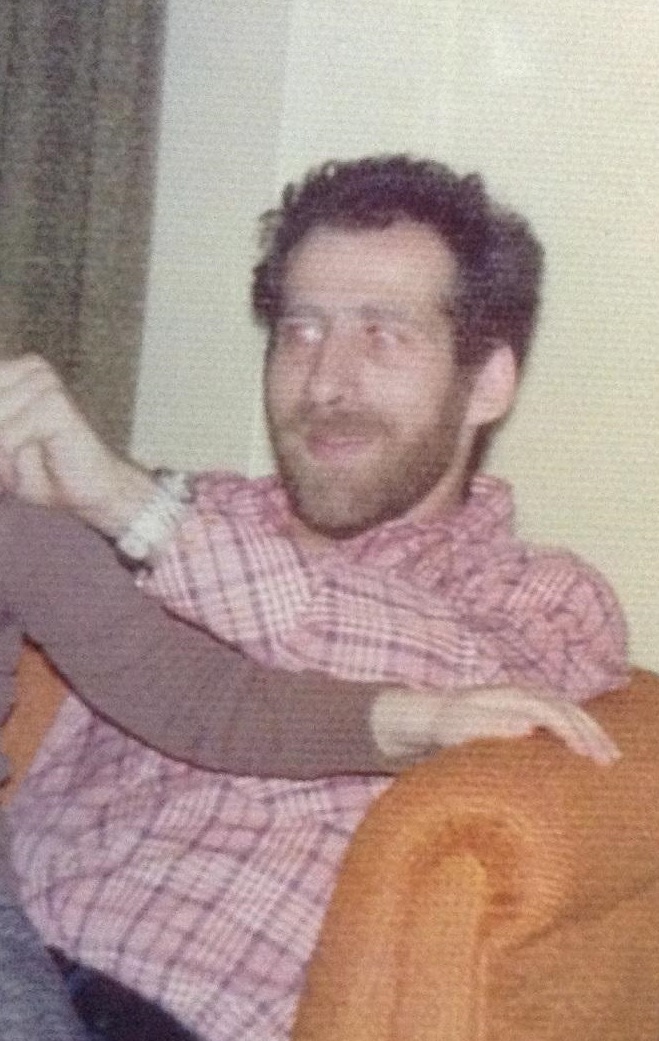
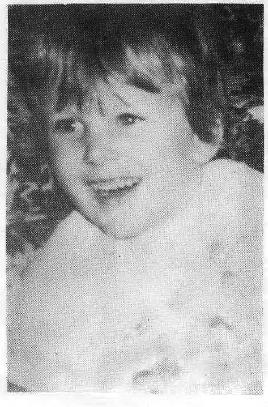
In the late autumn of 1977, a family's life was forever altered by the disappearance of 21-year-old Robin Kenneth Windross. On November 15th of that year, Robin, a resident of the Huronia Regional Centre in Orillia, Ontario, vanished without a trace. He was a young man described as having the intellectual capacity of a six-year-old, with neat, straight brown hair, brown eyes, and a strong speech impediment that made him difficult to understand.
Robin had been a resident at the facility since the age of five, a decision made based on medical advice his parents received. His family recalls that during home visits, Robin would express his reluctance to go back to the center, alleging that staff there were mean to him.
The evening Robin went missing, there was initial confusion regarding his whereabouts. Staff at the Huronia Regional Centre initially believed he might have attended an Orillia Terriers-Cambridge Hornets hockey game. It was thought he had joined a group of residents who were taken to the game by bus. However, when the bus returned and a driver's record confirmed Robin had not been in attendance, concern grew. The timeline of when he was last seen by staff remained somewhat unclear, with some reporting seeing him later in the evening, while his parents were initially told he hadn't been seen since 6 p.m. A description of Robin was broadcast over the radio the following afternoon, and searches of the center's grounds, nearby neighborhoods, and surrounding areas by Orillia police and local volunteers were launched, but they yielded no clues as to his location. At the time of his disappearance, he was believed to be wearing a blue shirt, blue jeans, a blue jean jacket, and rubber boots.
Decades have passed since Robin Windross was last seen, yet his case remains an open wound for his family. One theory that emerged was that Robin may have left the facility due to anxiety about being transferred from a children's ward to an adult unit, a change that had occurred shortly before he went missing. There was also speculation that a friend who had previously lived at the center might have visited him that evening, and the two could have left together. Despite these possibilities, his parents have stated that he was not known to wander off. In the years that followed, the police have re-examined the case, classifying it as a missing person investigation where foul play cannot be ruled out. Investigators have taken DNA samples from family members to compare against databases of unidentified remains, but unfortunately, no matches have been found. The disappearance of Robin Kenneth Windross is a long-standing mystery that has left a family searching for answers and a community with a haunting, unresolved story.Last Seen: Nov 15, 1977