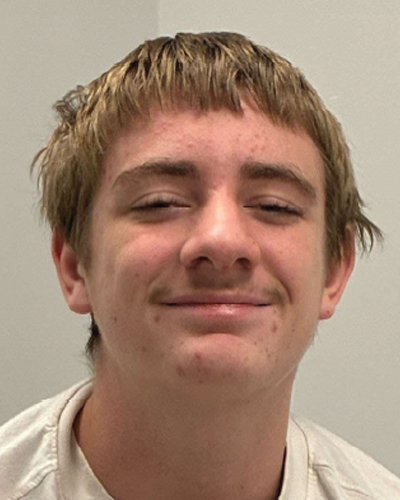
Jaxen Mcintosh was 15 years old when he was last reported seen in Tulsa, Oklahoma, on February 23, 2026. He is identified in public missing-person information as a male teenager, and the publicly available details are limited: his name, age, gender, last-seen city, and last-seen date form the core of what has been shared online. In a missing-child case with so few published particulars, that absence of detail is itself important.
It means there is no widely available public timeline describing where in Tulsa he was last seen, who last saw him, what he may have been wearing, whether he had known destinations, or what circumstances led to the concern for his safety. What remains clear is that a 15-year-old boy disappeared from public view, and the people responsible for finding missing children rely on accurate information moving quickly through official channels and the community.
The online record around Jaxen’s disappearance appears sparse compared with many missing-child cases. Public missing-child systems generally exist to circulate posters, collect tips, and connect families, law enforcement, and the public with the agencies handling a case. The National Center for Missing & Exploited Children explains that its missing-child posters are part of a system in which cases are entered into the FBI’s National Crime Information Center database, and the organization provides a national hotline for information related to missing children. In Oklahoma, the Missing Persons Clearinghouse is maintained within the Oklahoma State Bureau of Investigation’s Crimes Information Unit, serves as the state liaison with NCMEC, and assists law enforcement agencies and families with resources to help locate missing people.
Because Jaxen was a minor, the concern surrounding his disappearance carries a particular urgency. A missing 15-year-old is still a child, still dependent on adults and community systems for safety, shelter, transportation, and protection. In cases like this, even small details can matter: a sighting, a remembered conversation, a location where someone may have seen him, or a piece of information that seemed insignificant at the time can become meaningful when placed in the hands of investigators. Oklahoma’s official guidance says that missing-person reports should be made through local law enforcement, with missing-person entries made into NCIC, and that the state clearinghouse can help connect agencies and families with resources.
The publicly available information does not provide a detailed account of the hours before Jaxen was last seen, and it does not offer a full description of what happened after February 23, 2026. That makes the case feel unfinished in the public record: a teenage boy’s name, age, gender, and city are known, but the broader story remains largely withheld or unavailable. For his family and anyone who knows him, the lack of public detail does not lessen the weight of the situation. It leaves a painful space where answers should be, and it underscores why missing-child notices, law-enforcement databases, and community awareness remain so important.
At its heart, this is the case of Jaxen Mcintosh, a 15-year-old male last seen in Tulsa, Oklahoma, on February 23, 2026. The known public narrative is brief but serious: a child was reported missing, his case entered the broader missing-persons ecosystem, and the public record offers few specifics beyond the essentials. The overview of the case is that Jaxen’s disappearance from Tulsa remains a matter built around limited public information, official missing-person resources, and the continued need for anyone with credible knowledge to make sure that information reaches the proper authorities.Last Seen: Feb 23, 2026