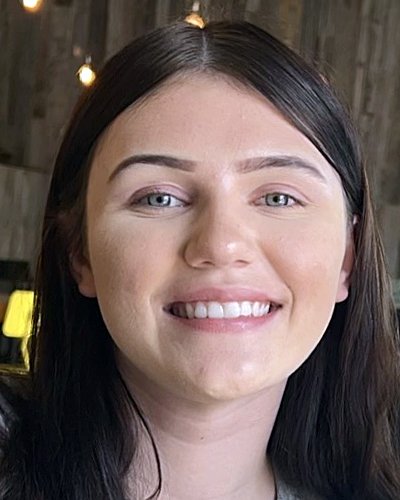
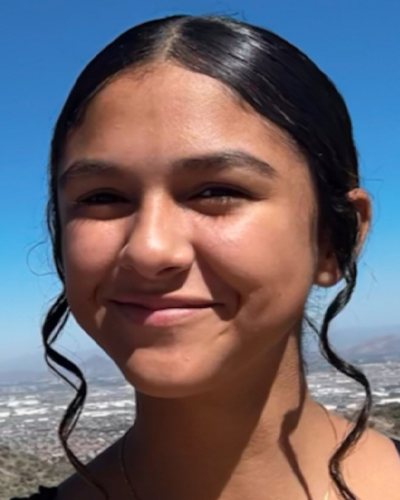
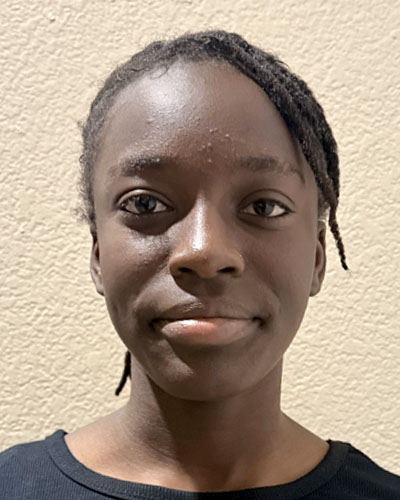
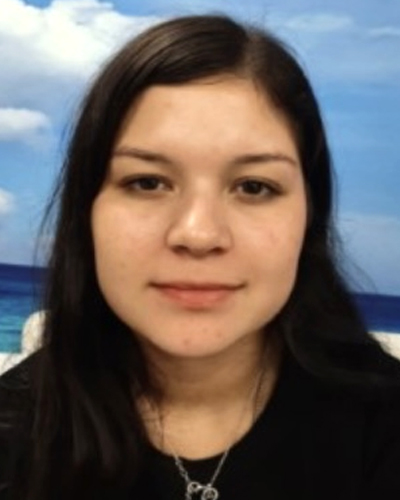
Seventeen-year-old Arely Esquival-Rodriguez, a female teenager from Glendale, Arizona, was reported missing after she was last seen on November 3, 2025. The National Center for Missing & Exploited Children listed Arely as a missing child and identified the Glendale Police Department as the law-enforcement agency handling her case. Her NCMEC case was assigned number 2067181, and the associated National Crime Information Center entry was listed as NCIC #M478647516.
The public alert provided very few details about what happened immediately before Arely disappeared, leaving unanswered questions about where in Glendale she was last seen, what she was doing that day, what she was wearing, and whether anyone was known to have been with her. What authorities did make clear was that Arely's whereabouts were unknown and that there was reason to believe she might still be somewhere in the local Glendale area.
As the search for Arely continued, her case became part of the nationwide missing-child system maintained by the National Center for Missing & Exploited Children. NCMEC's public poster system is designed to circulate identifying information about missing children and give members of the public a direct way to provide information that could help investigators locate them. NCMEC explains that certified missing-child posters are connected to cases entered into the FBI's National Crime Information Center database and are distributed with authorization from a parent, guardian, or investigating law-enforcement agency. In Arely's case, the available poster directed anyone with information to the Glendale Police Department at 623-930-3000 or to NCMEC's 24-hour hotline at 1-800-843-5678. Authorities specifically noted that she might have remained in the local area, an important detail because it meant someone in or around Glendale could potentially have encountered her without realizing that she had been reported missing.
Despite the official missing-child alert, very little additional information about Arely's disappearance has been made publicly available. The publicly accessible material does not describe an argument, planned trip, suspected abduction, vehicle, known companion, or confirmed destination connected to the day she disappeared. There is likewise no publicly released account explaining whether investigators obtained surveillance footage, cellphone information, social-media activity, witness statements, or confirmed sightings after she was reported missing. That absence of information should not be interpreted as evidence that investigators have no leads; law-enforcement agencies frequently withhold investigative details involving minors, particularly when releasing those details could interfere with efforts to locate the child or protect her privacy. For the public, however, it means that Arely's story remains centered on a limited but important set of confirmed facts: she was 17, she disappeared from Glendale on November 3, 2025, her case was entered into national missing-child systems, and authorities sought the public's assistance in finding her.
The passage of time makes cases involving missing teenagers especially difficult for their families and investigators because even a seemingly insignificant recollection can become important when so little is publicly known about a person's final confirmed movements. Someone may remember seeing Arely at a residence, business, parking lot, bus stop, school area, or other location without initially recognizing the importance of the encounter. Her official alert's statement that she might still be in the Glendale area placed particular importance on local awareness and on reporting possible sightings rather than assuming someone else had already contacted police. At the same time, the limited information released about the circumstances of her disappearance means there is no responsible basis for assuming why she vanished or whether she left voluntarily, was accompanied by someone, or encountered circumstances beyond her control. Those possibilities remain unanswered unless law enforcement releases additional information.
Arely Esquival-Rodriguez's case therefore remains a story defined by uncertainty and the hope that someone possesses the piece of information investigators need. A 17-year-old girl disappeared from Glendale, Arizona, on November 3, 2025, and her information was circulated through the National Center for Missing & Exploited Children with assistance from the Glendale Police Department. Beyond the warning that she might remain somewhere in the local area, authorities released few details explaining her disappearance or her subsequent movements. The overall picture is one of a young person whose whereabouts became unknown with very little publicly documented information to explain what happened afterward, leaving investigators dependent in part on tips, recognition, and information from anyone who may have seen or communicated with Arely. Her case serves as a reminder that even after time has passed, information that once seemed unimportant may help establish where she went and ultimately help bring answers to those waiting for her.Last Seen: Nov 3, 2025