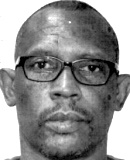
Anthony Maurece Kemp was 23 years old when he was last seen on May 10, 2021, in Cleveland, Ohio. He is identified in the case information as a male, and the core public details available online are painfully limited: a young man disappeared from one of Ohio’s largest cities, and the publicly accessible record does not provide a clear account of where he was going, who last spoke with him, what he may have been wearing, or what circumstances first raised concern. In missing-person cases, that absence of detail can be especially difficult for loved ones, because every unanswered question leaves room for worry, uncertainty, and the hope that someone, somewhere, may remember something important. Ohio’s Bureau of Criminal Investigation states that its Missing Persons Unit maintains missing child and missing adult databases as a central location for families, law enforcement, and the public, while also noting that adult case information can come from local law enforcement data, family submissions, and open public sources.
Cleveland’s public missing-person resources show the city maintains an online missing-person listing through the Division of Police, reflecting cases by name, case number, race, sex, date of birth, age, reported-missing date, days missing, and police district when those details are available. The existence of such a system underscores how missing-person cases in Cleveland are often tracked through public-facing databases, but Anthony’s publicly available online footprint remains sparse compared with many cases that include posters, investigative summaries, family statements, or news coverage. That lack of broad documentation does not make his disappearance less important; rather, it means the known public story is narrower, quieter, and more dependent on the few facts that have been made available.
The surrounding context is that missing-person investigations often rely on cooperation between families, law enforcement, and the public. The Cleveland Family Center for Missing Children and Adults describes its work as supporting families and friends of missing people from the initial missing-person report through recovery, offering guidance and resources so families do not have to navigate the crisis alone. Its public guidance encourages families to maintain communication with investigators, preserve potentially relevant information, and speak with friends, coworkers, neighbors, relatives, and others who may know something about the missing person’s life or last known movements. For a case like Anthony Kemp’s, where few case-specific details are publicly available, that kind of community memory can be crucial: small observations, old conversations, remembered sightings, or overlooked details may carry meaning long after the day he was last seen.
Anthony’s case also sits within a broader reality recognized by advocacy organizations: missing-person cases do not always receive equal public attention, and some families are left searching with very little media coverage or public awareness. The Black and Missing Foundation notes that thousands of people are reported missing in the United States each year and that coverage of white and minority victims is not proportionate, while its mission includes bringing awareness to missing persons of color and providing resources to families. When a case has limited public information, compassion matters as much as accuracy. Anthony was not merely a name in a database or a date on a missing-person notice; he was a 23-year-old man whose disappearance created uncertainty for people who knew him, cared about him, and may still want answers.
In overview, Anthony Maurece Kemp’s known public case history begins with the confirmed core details: a 23-year-old male last seen in Cleveland, Ohio, on May 10, 2021. Beyond that, online sources provide very little about the circumstances of his disappearance, any search efforts, possible sightings, or investigative developments. The available record leaves the case defined by absence: absence of a detailed timeline, absence of a public explanation, and absence of the kind of widespread coverage that can help keep a missing person’s name in front of the public. What remains is the essential truth of the case: Anthony Kemp disappeared from Cleveland in May 2021, the publicly available information is limited, and any reliable information from people who remember him, saw him, or know something about his last known movements could still matter.
Last Seen: May 10, 2021