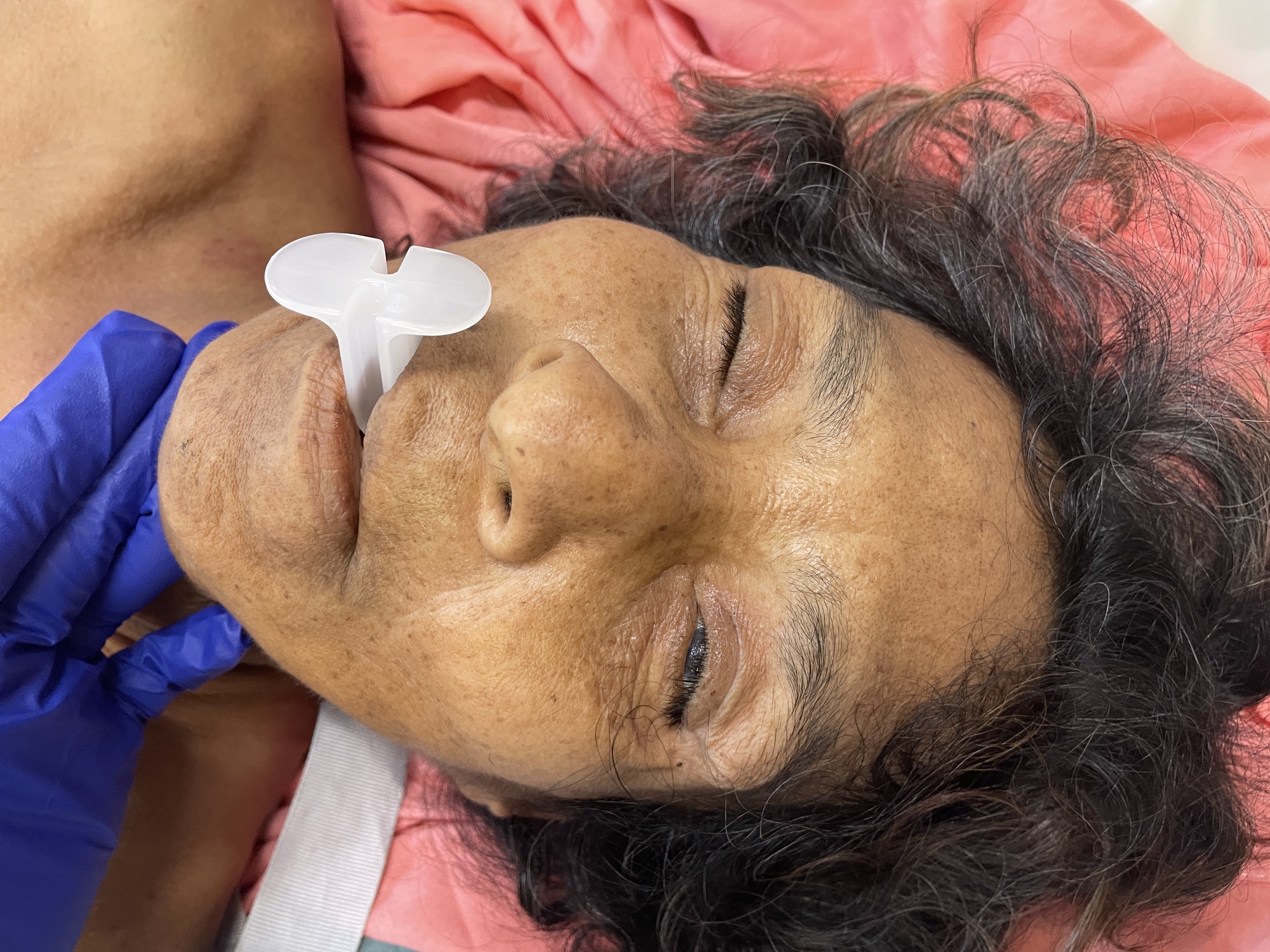
Alana Marie Strohmer, also known by the name Alana Martin, is a woman from the San Diego, California area who vanished after her last known contact with family on September 1, 2015. At the time she went missing she was around 40 years old, a point in life when many people are deeply rooted in family and community, making her sudden disappearance especially painful for those who love her.
She has been missing for years now, and her case remains open and unresolved, leaving a long stretch of uncertainty and longing for answers.
Public records show that Alana has longstanding ties to Southern California. She is listed as a member of the Orange Glen High School class of 1994 in Escondido, California, where her profile reflects both names, “Alana Martin” and “Alana Strohmer,” suggesting that she has used each at different points in her life. This small piece of information, while modest, anchors her in a real place and time: a teenager walking the halls of a local high school, surrounded by classmates who likely remember her as part of their community. Other public notices, including a family obituary, indicate that Alana is one of several siblings, part of a large extended family that has already known loss and now also bears the weight of not knowing what happened to her.
By the fall of 2015, Alana’s life had become unstable, and she was described by authorities as transient in the San Diego area. Being transient often means living without a fixed address, depending on short-term arrangements, shelters, vehicles, or outdoor spaces. That kind of instability can make a person especially vulnerable and much harder to trace once contact is lost, because there are fewer financial records, rental histories, or predictable routines for investigators to follow. In Alana’s case, her mother’s last contact with her was on September 1, 2015; when months passed with no word and no sign that she was safe, her mother reported her missing to the San Diego County Sheriff’s Department in May 2016. That gap between last contact and the report does not mean the family cared any less; for many families of adults who are living transiently, there is a painful balance between respecting independence and recognizing when silence has become frightening.
Physically, Alana is a Hispanic/Latina and White/Caucasian woman who, at the time she disappeared, was in her early forties. She is of medium height and build, and has brown hair and brown eyes. Two tattoos are particularly important for identifying her: a rose on her right ankle and a sunflower at her navel. These tattoos are not just investigative details; they are personal choices that once expressed something about who she was and what she liked. Today, they are among the most concrete ways a stranger might recognize her if they met her without knowing her name.
Alana’s disappearance is documented in a national missing-persons database that law enforcement and families use to share case information, compare records, and look for possible matches. The United States maintains such a centralized system, known as the National Missing and Unidentified Persons System which serves as a clearinghouse for missing, unidentified, and unclaimed persons and is designed to bring people, forensic science, and information together to resolve cases. Being listed in this type of database helps ensure that Alana’s information is not confined to a single paper file in one local office; instead, it can be viewed by investigators and, in limited form, by the public across the country, increasing the chances that a lead in another jurisdiction could one day connect back to her.
To support the search for Alana, her family has provided a DNA reference sample from her mother, which has been submitted to the California Department of Justice’s Jan Bashinski DNA Laboratory in Richmond. This state laboratory houses California’s Missing Persons DNA Program and the CAL-DNA databank, working with local agencies to compare DNA from unidentified remains and family reference samples in an effort to give names back to the unknown and answers back to waiting families. The fact that Alana’s mother’s DNA is part of this system means that, if remains are ever recovered and suitable DNA can be obtained, there is at least a scientific pathway to a possible identification.
Years after her last confirmed contact, Alana’s case remains unresolved. There have been no widely reported breakthroughs, no official announcement that she has been located, and no public indication that her disappearance has been explained. For those who care about her, that ongoing silence can be its own kind of anguish: every day without answers is another day lived in a state of suspended grief, caught between hope and fear. The details that do exist — her name, her tattoos, her connection to San Diego and Escondido, the DNA sample held on her behalf — are fragile threads, but they still matter. TLast Seen: Sep 1, 2015