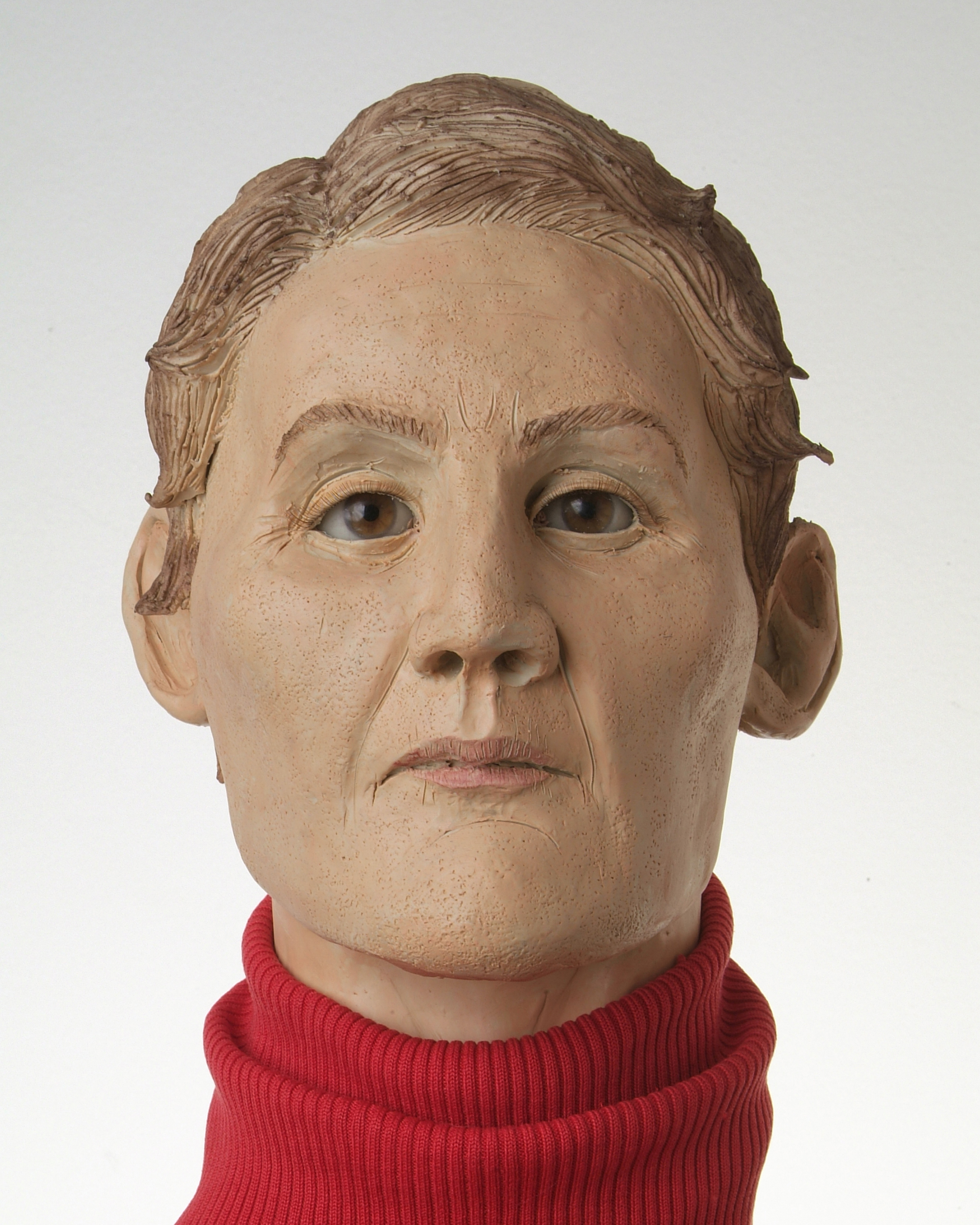
In the late summer of 1958, a young mother named Ida Dean Anderson, aged 21, was navigating a period of immense personal challenge in Ann Arbor, Michigan. After separating from her husband, Kenneth 'Jerry' Anderson, in February of that year, Ida fell ill with rheumatic fever and was hospitalized. During her illness, her three young children were placed in a boarding home by their father, which led to them becoming wards of the state.
Despite her hardships, Ida was determined to regain custody of her children. She was last seen on September 18, 1958, a day before a pivotal court date where it was expected she would be awarded custody.
The circumstances leading up to Ida's disappearance paint a picture of a mother's love and determination. Originally from Florida, Ida had married a musician and settled in the Detroit area, where they had three children. The marriage was troubled, and after their separation, Ida and her children lived for a time in Ann Arbor. While she was in the hospital, her estranged husband placed the children in a boarding home and reportedly left the state. This action resulted in the state of Michigan taking custody of the children. For months, Ida fought to get them back, maintaining contact with her family in Florida through letters that expressed her struggles and her love for her children. Arrangements had even been made for Ida and her children to fly to Florida to be with family after the court hearing; plane tickets were purchased but were never used.
The day of her scheduled court appearance came and went, but Ida was nowhere to be found. It remains unclear if she ever made it to the courthouse. In the years that followed, her children were adopted into different families. It wasn't until 1995 that Ida's three children, now adults, were reunited and began the arduous search for their mother. Their investigation revealed that an initial missing persons report filed in 1958 seemed to have vanished. The family's search for answers has been fraught with difficulties and dead ends. Despite extensive searches of hospital records, there is no indication that Ida was admitted to any facility after her disappearance. The case of Ida Anderson is a deeply sorrowful mystery, a story of a young mother on the cusp of being reunited with her children who seemingly vanished without a trace, leaving behind a family to grapple with decades of unanswered questions. Her family holds out hope that she may have been institutionalized or is perhaps homeless and unaware of her own identity.
Ida Dean Anderson, also known by her maiden name Ida Dean Richardson, was 21 years old when she was last seen on September 18, 1958, in Ann Arbor, Michigan. She was a White female, a young mother, and at the time of her disappearance her life had already been marked by illness, separation, and a painful struggle to keep her children. Public missing-person records and federal case information describe her as having vanished just before an important moment in court connected to her parental rights. She was due in court the next day in a case involving custody of her children, and some sources state she was expected to be awarded custody, although conflicting court records have left uncertainty over whether she ever appeared.
Ida was described as approximately 5 feet 2 inches tall and about 110 pounds, with light brown or dark dishwater-blonde hair that was shoulder length or longer, and green eyes. She did not wear glasses and had no known jewelry. Her clothing at the time she disappeared is unknown, but public descriptions note that she usually wore dresses, long skirts, and button-up shirts, with dress flats in about a size 5 1/2. Those simple details are among the few remaining physical descriptions of Ida as she was in 1958, a young woman whose image has had to be preserved through old records, family memory, and missing-person databases long after the world around her changed.
The months before Ida disappeared were difficult. Public case summaries state that she had left her husband, Kenneth Gerald Anderson, earlier in 1958. Soon afterward, she was hospitalized for illnesses that have been described as including rheumatic fever and ulcers. During that period, her husband placed their three children in a boarding home, and the state of Michigan took custody of them. For Ida, the custody case represented more than a legal hearing; it was connected to the chance to reunite with her children and rebuild a life with them. Some public accounts say arrangements had already been made for Ida and the children to fly to Jacksonville, Florida, where she had family ties, after custody was resolved. Those plane tickets were never used.
The uncertainty in Ida’s case begins almost immediately around the court date. She was expected in court in mid-September 1958, but available reports conflict on whether she appeared, whether she knew all the details of the custody decision, and exactly what happened in the final hours before she vanished. What is clear is that by September 18, 1958, Ida had disappeared from the Ann Arbor area and was never heard from again. There are no confirmed reports of her contacting family afterward, no known use of the travel arrangements made for her, and no verified evidence that she started over under another identity.
Over the decades, Ida’s children carried the loss forward. Public summaries state that her three children were later separated through adoption and were not reunited until 1995. After reconnecting, they began searching for their mother, trying to understand what had happened to the young woman whose disappearance had shaped their lives from childhood. Investigators and family advocates have looked for records that might explain whether Ida was hospitalized again or found somewhere under another name, but public case summaries note that searches of hospital records in Michigan and surrounding states did not show that she had been admitted after her disappearance.
The Ann Arbor Police Department is listed as the investigating agency in Ida’s missing-person case, and her case has remained in public databases including NamUs and the FBI’s ViCAP missing-person listings. No public report identifies an arrest, suspect, or confirmed explanation for what happened to her. There are also no public reports indicating that Ida Anderson has been found. In overview, Ida Dean Anderson’s case is the unresolved disappearance of a 21-year-old mother last seen in Ann Arbor, Michigan, on September 18, 1958, during a vulnerable period in her life when she was separated from her husband, recovering from illness, and trying to regain custody of her children; more than six decades later, her disappearance remains one of Michigan’s long-standing missing-person mysteries, defined by a missed future with her children, unused plans to travel to Florida, and the enduring question of what happened to Ida after she vanished.Last Seen: Sep 18, 1958