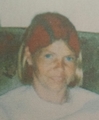
In the quiet city of Fenton, Michigan, a family's life was irrevocably altered on February 10, 2009, when 42-year-old Randa David Jawhari vanished from her apartment. A woman described by her siblings as having a free-spirited personality and a kind heart, Randa was a mother, an artist, an actress, and a writer. Born in Lebanon, she moved to the United States as a child and eventually settled in Michigan to be near her family.
The last known contact anyone had with Randa was a phone call with her sister at approximately 11:30 p.m., during which she mentioned she was going to bed. The following morning, a pre-scheduled ride service arrived at her home, but left when she did not answer the door. Growing concerned after Randa also failed to answer her phone, a family member went to check on her, setting in motion a mystery that has endured for over a decade.
Upon entering Randa's apartment in the 3400 block of West Shiawassee Avenue, her family found a scene that was both ordinary and deeply unsettling. Clothes were laid out, but they were untouched. Her bed did not appear to have been slept in, and the coffee pot was cold. Crucially, none of her personal belongings, including her coat, identification, or even her cigarettes, were missing, which was unusual for the chain-smoker. The front door was discovered unlocked, yet there were no signs of a struggle or forced entry. Randa, who did not have a driver's license, a vehicle, or a cell phone, and reportedly had no money at the time, was gone. She was believed to be wearing a blue bathrobe and possibly a brown jacket with white wool sleeves and a collar.
The investigation into Randa's disappearance has been fraught with challenges. Surveillance footage from her apartment complex's single camera was of poor quality and did not show a clear view of her apartment door. It did, however, capture an unknown, possibly two-toned, smaller car entering the parking lot around 5:12 a.m. on February 11 and leaving about a minute later, though its significance remains unclear. Police have also been interested in speaking with an unidentified man who accompanied Randa to several dental appointments in the months before she vanished. Described as clean-cut and wearing a black leather jacket and silver neck chains, he is considered a person of interest who may have information. Over the years, law enforcement, with assistance from the FBI and students from Western Michigan University's Cold Case Program, has continued to work on the case, digitizing files, conducting interviews, and attempting to enhance the surveillance footage. Despite these efforts, the case remains unsolved, leaving her family, including her daughter, without answers about what happened to the woman the
y describe as doting and a vital part of their close-knit family.
Randa David Jawhari was a 42-year-old female who was last known to be at her apartment in Fenton, Michigan, on February 10, 2009. She lived in the 3400 block of West Shiawassee Avenue, approximately a quarter-mile east of U.S. 23, close enough to family that regular contact formed part of her daily routine. Her parents visited her apartment that evening, and her mother helped prepare for the following day by laying out clothing for her. Later that night, Randa spoke by telephone with one of her sisters. The call ended at approximately 11:30 p.m. after Randa said that she was tired and planned to go to bed. Nothing in that final conversation publicly indicated that she intended to leave her home or that she believed she was in immediate danger.
The following morning, the familiar routine broke down. Randa normally checked in with her mother, who was caring for Randa’s young daughter at the time. When Randa did not call and failed to answer repeated telephone calls, her family quickly became concerned. A transportation service also arrived for a scheduled pickup at approximately 8:00 a.m., but Randa did not answer the door. Her mother went to the apartment shortly afterward, expecting to find an explanation for the silence. Instead, she found the front door open and Randa gone.
Inside, the apartment appeared suspended at the point where Randa’s evening should have continued into morning. The clothes her mother had laid out remained untouched. Her bed did not appear to have been slept in, and the coffee pot was cold. Her identification, coat, cigarettes and other personal possessions were still there. There were no publicly reported signs of a violent struggle, forced entry or robbery, but there was also no indication that Randa had prepared for a journey. She did not own a vehicle, had no driver’s license and generally walked or depended on relatives, friends and transportation services to get where she needed to go. The apartment complex’s available surveillance footage did not show her crossing the parking lot during the relevant overnight period, deepening the mystery of how she left without being recorded.
Randa was especially vulnerable because she lived with serious mental and physical health difficulties and depended upon medication and regular family assistance. Public case accounts state that she had been diagnosed with bipolar disorder, depression and other conditions and was considered legally incapacitated. Earlier on the day before she disappeared, Fenton police had encountered her at a McDonald’s restaurant on Owen Road after receiving a report that she was wandering and asking people for money. An officer returned her safely to her apartment at approximately 10:00 that morning. The encounter showed that she could become disoriented or vulnerable while away from home, but it did not explain how she vanished later that night after speaking calmly with her sister.
Randa was born in Lebanon and moved to Michigan as a child. She later lived in several other states, including Florida, Hawaii and Nevada, before returning to Michigan to remain close to her family. Those who knew her described her as peaceful, creative and deeply connected to the people she loved. She was an artist, writer and actress who especially treasured time with her daughter. Her family’s memories have kept the woman behind the missing-person photograph visible: someone with imagination and talent whose health challenges required care, but did not erase her personality, affection or importance within a large, devoted family.
At the time she vanished, Randa stood approximately 5 feet 1 inch tall and weighed about 100 pounds. She had shoulder-length brown hair, brown eyes, double-pierced ears and a surgical scar on her abdomen. She had some missing molars and used a partial dental bridge. Investigators believed she might have been wearing only a blue bathrobe, possibly along with a brown jacket with white wool sleeves and a white collar. Her outdoor coat remained inside the apartment, however, making it particularly concerning that she may have left during a Michigan winter without clothing suitable for the conditions.
Police searched roadways, fields, wooded areas and other locations within several miles of Randa’s apartment. Investigators followed tips and considered the possibility that she had left on foot, accepted transportation from someone she knew or encountered another person after leaving the building. Yet no clothing, remains or personal belongings were publicly reported as recovered. No confirmed later sighting established that she reached another home, business or community, and her lack of a vehicle or independent means of travel made a voluntary long-distance departure difficult to explain.
The available evidence has never provided a clear answer about whether Randa left the apartment willingly. The open door could suggest that she stepped outside briefly or departed in haste, but the untouched bed and clothing indicate that she may never have settled down for the night after her final telephone call. The absence of her coat, identification and cigarettes from her possession argues against a planned absence, especially because cigarettes were reportedly important enough to her that relatives believed she would ordinarily have taken them. At the same time, the apartment contained no obvious crime scene that could establish that another person entered and harmed her there.
Investigators have continued reviewing Randa’s disappearance as a cold case, and her story has been included in a collaborative cold-case program involving Western Michigan University and Michigan law enforcement. Later public appeals have asked for information not only about her apartment complex and movements that night but also about suspicious activity associated with the Crane Lake area. No publicly announced search or tip connected to that area has produced her recovery. The Fenton City Police Department has continued seeking information, but no arrest has been made and no person has been formally identified as responsible for Randa’s disappearance.
Randa’s parents, siblings and daughter have lived through years in which every ordinary family milestone has carried the weight of her absence. Her daughter grew older without knowing why her mother disappeared, while Randa’s relatives continued holding vigils, circulating photographs and asking the public to remember that someone may possess a detail capable of breaking the case open. Their concern began within hours because Randa’s behavior was predictable and because she relied so heavily upon them. The same close family connection that made her disappearance quickly noticeable has also made the long silence especially painful.
In overview, Randa Jawhari spoke with her sister from her Fenton apartment at approximately 11:30 p.m. on February 10, 2009, saying that she intended to go to bed. By the following morning, she had vanished, leaving her door open, her bed undisturbed and her clothing, identification, coat, cigarettes and other belongings behind. She had no vehicle, missed a scheduled ride and did not appear on available parking-lot surveillance footage. Searches and years of investigation have failed to locate her, no suspect has been charged, and Randa remains missing as her family continues seeking an explanation for how she disappeared from her home without leaving a confirmed trail.Last Seen: Feb 10, 2009