In the winter of 1971, a 31-year-old woman named Joanne Gladys Thornton, also known by her married name Joanne Garr, vanished from the Detroit, Michigan area. The exact date of her last contact is uncertain, with records indicating it could be as early as November 24 or as late as December 29 of that year. At the time she went missing, Joanne was described as a woman with red/auburn, medium-length hair, blue eyes, and freckles on her face and arms.
Her family grew deeply concerned when she failed to make contact, which was out of character for her, and they believed her disappearance was under suspicious circumstances. The situation became more alarming when her car was discovered abandoned.
The investigation into Joanne's disappearance was initially handled by the Detroit Police Department before the Michigan State Police took over the case. Concerns were raised by Joanne's mother regarding her new husband, Philip, to whom she had been married for less than a year. It was reported that Joanne had been seen with bruises and black eyes, which she had attributed to a fall. When questioned about his wife's whereabouts, Philip's story reportedly changed multiple times. He initially claimed Joanne was visiting a friend in Ohio, then said she was in Illinois, and later told her mother that Joanne had packed her belongings and left him with another man in a vehicle with Ohio license plates. Despite these troubling inconsistencies and the family's suspicions, the investigation did not gain significant traction, and the case grew cold over the ensuing decades with no major leads or witnesses emerging.
Joanne Thornton's case remains an unresolved mystery. For over fifty years, her family has been left without answers regarding her fate. The circumstances of her disappearance, including her husband's conflicting accounts and the reports of prior injuries, have led to a strong belief that she did not leave on her own accord. The case is a poignant example of a long-term missing person investigation where the passage of time has not diminished the hope for resolution. Authorities continue to encourage anyone with information to come forward, as even the smallest detail could potentially shed light on what happened to Joanne in 1971. The overview of this case is one of a young woman who disappeared under a cloud of suspicion, leaving behind a family to grapple with an enduring and painful uncertainty.
Joanne Gladys Thornton, who was also known by her married name Joanne Garr and the nickname Joan, was a 30-year-old female last known to be in Dearborn Heights, Michigan, on November 24, 1971. Some later records list Detroit and December 29 as her last-known location and date, but more detailed accounts place her final confirmed contact on the day before Thanksgiving. Joanne was a mother of two young daughters and had made specific plans to spend part of the holiday with them. She telephoned her first husband, Robert Ross, who was caring for the children, and arranged to meet him early the following morning so they could take the girls to a parade in downtown Detroit. She also intended to attend a Thanksgiving dinner at a friend’s home. When the holiday arrived, Joanne failed to appear for either engagement, and no one heard from her again.
Joanne’s failure to keep those plans was immediately troubling because they involved her children and had been arranged only hours earlier. She also stopped reporting to her secretarial job without explaining her absence. Her employer initially assumed that she had quit and mailed her personal belongings to her residence, but the package was returned and reportedly discarded. This removed items that might later have offered investigators insight into her final days or state of mind. Joanne was not formally reported missing until the end of December, after her mother had repeatedly failed to contact her, creating a delay of several weeks between her final known communication and the beginning of a documented police investigation.
Less than a year before she disappeared, Joanne had married her second husband, Philip Garr. The marriage had reportedly become strained, and the couple had experienced a brief separation. Philip later said Joanne returned home during late 1971, packed her bags and left permanently, but he could not provide investigators with a clear date for when this supposedly occurred. Accounts attributed to him about her destination were inconsistent. At various times, relatives were reportedly told that Joanne had gone to visit someone in Ohio, that she was in Illinois, or that she had left with an unidentified man driving a vehicle with Ohio license plates. None of those explanations was verified, and no friend or relative in either state confirmed that Joanne had arrived.
Joanne’s family had additional reasons to fear that her disappearance was not voluntary. Before she vanished, she had reportedly been seen with black eyes and bruises. When questioned, she explained that the injuries resulted from a fall, but the marks took on greater significance after she failed to attend Thanksgiving events and never contacted her daughters again. Her family considered the circumstances suspicious from the beginning. Joanne’s vehicle was eventually found abandoned, yet the surviving public accounts provide few details about where it was located, when it was recovered or what investigators discovered inside. The abandoned car did not establish whether Joanne drove away willingly, was accompanied by someone or encountered violence after leaving home.
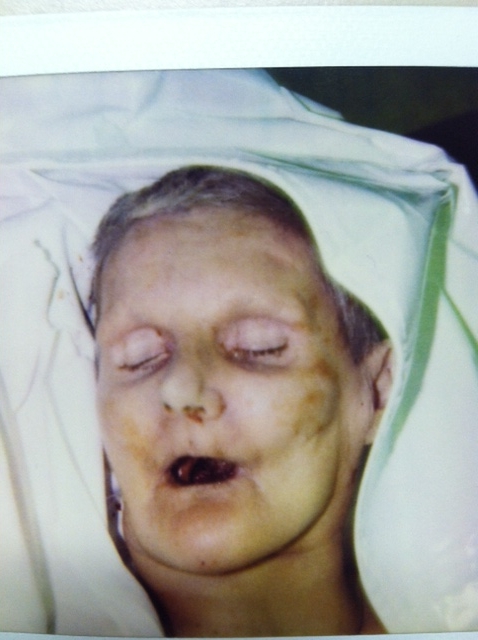
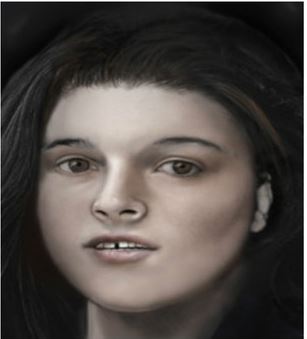
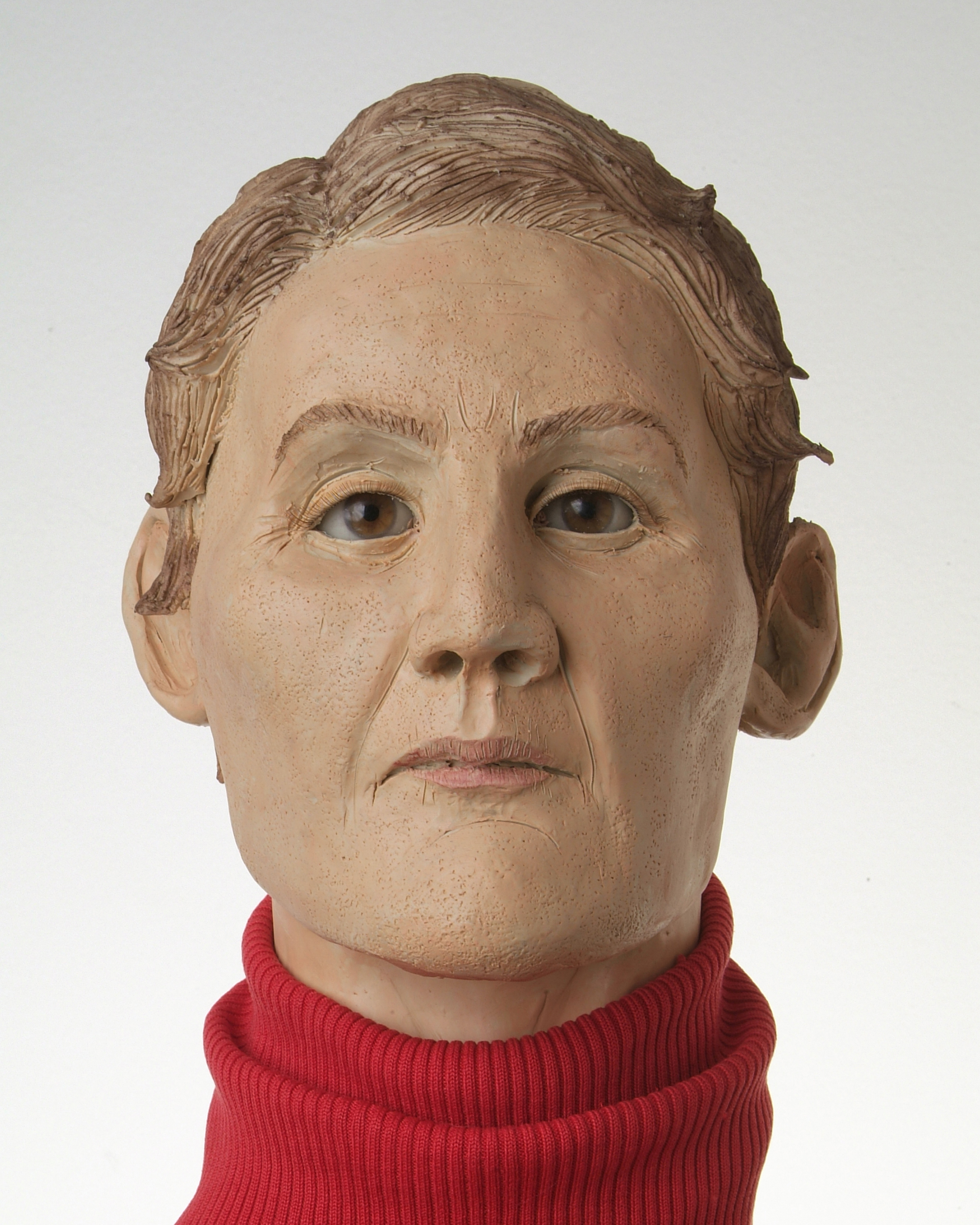
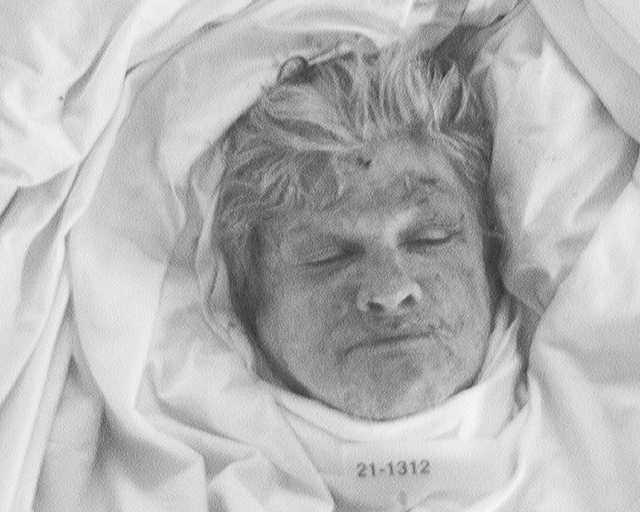
At the time of her disappearance, Joanne was described as a white woman with medium-length red or auburn hair, blue eyes and freckles across her face, arms and legs. She stood between approximately 5 feet 3 inches and 5 feet 4 inches tall and weighed between 110 and 130 pounds. Her ears were pierced. Joanne had been adopted, which later complicated efforts to obtain biological family reference material, but a DNA sample from one of her daughters was eventually collected for comparisons with unidentified remains. Her photographs, physical description and genetic information have remained available to investigators as they continue attempting to determine whether an unidentified woman recovered elsewhere could be Joanne.
No confirmed sighting, telephone call, employment record or other dependable trace has established that Joanne remained alive after Thanksgiving 1971. No arrest has been made, and no person has been charged with causing her disappearance. Although her second husband’s uncertain timeline and conflicting statements have remained troubling features of the case, the publicly available record does not establish that investigators obtained enough evidence to name him or anyone else as the person responsible. The case has endured largely through the determination of Joanne’s family, who refused to accept that a devoted mother would arrange holiday plans with her daughters and then disappear without ever contacting them again.
More than five decades later, Joanne’s absence remains painful because her final plans were so ordinary and specific. She intended to see her children, attend a parade and share Thanksgiving with people who expected her. Instead, she missed every appointment, stopped going to work and left behind an abandoned vehicle and contradictory explanations about where she had gone. In overview, Joanne Gladys Thornton, also known as Joanne Garr, was last reliably known to be in the Dearborn Heights and Detroit area on November 24, 1971; she spoke with her first husband and arranged to see their daughters the following morning, but she never appeared, her car was later found abandoned, her second husband offered differing accounts of her departure, and no confirmed trace of Joanne or definitive explanation for her disappearance has ever been found.Last Seen: Dec 29, 1971