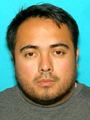
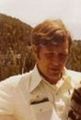
On a fall day in Las Vegas, Nevada, six-year-old Cary Sayegh was at recess on the playground of the Albert Einstein Hebrew School. It was during this lunchtime break that witnesses reported seeing the young boy get into a vehicle that had entered the school's property. Cary was wearing a t-shirt with 'Las Vegas Quicksilvers' on the front and brown leather shoes. He had a small scar near the hairline on the right side of his forehead and a noticeable gap between his front teeth.
He also had surgical scars on both of his feet near his little toes. After he entered the unidentified vehicle, Cary was never seen or heard from again. The day he vanished would mark the beginning of one of the most heart-wrenching and enduring unsolved missing persons cases in the city's history.
The afternoon of Cary's disappearance, his family received a devastating phone call. An unknown man demanded a ransom of $500,000 for the safe return of their son. The caller stated he would contact the family again in two days with instructions on how to deliver the money, but that call never came, leaving the Sayegh family in a state of perpetual uncertainty and grief. The investigation into Cary's abduction quickly led authorities to focus on a former employee of Cary's father, a man named Jerald Howard Burgess. Several of Cary's classmates identified Burgess as the individual driving the car Cary had entered. Furthermore, others recognized his voice as the one on the ransom call. Adding to the suspicion, Burgess had been convicted of a sexual assault that occurred at the same school just a week before Cary was taken.
Despite the witness identifications, the investigation faced significant challenges. Burgess led investigators to one of Cary’s shoes in a desert area but claimed he received the information from the actual abductors. He was eventually brought to trial on charges of kidnapping and attempting to obtain money under false pretenses, but was acquitted. Though he maintained his innocence in Cary's case, even suggesting at one point that the boy was alive and living in Israel without providing any proof, his name remained linked to the disappearance. Years later, during an investigation into unrelated criminal activities, Burgess allegedly spoke of disposing of a body in a steel drum near where he claimed Cary's remains were located, a chilling detail given that he had rented welding equipment just days before the boy vanished. The case of Cary Sayegh remains officially unsolved, a haunting mystery that has left a permanent scar on the community and a family forever waiting for answers.Last Seen: Oct 25, 1978