In the summer of 1990, fifteen-year-old Robert Thomas Pillsen-Rahier, known to his loved ones as Robb or Bobby, was a resident at the Cheyenne Mesa residential treatment facility in Colorado Springs, Colorado. He had been admitted to the facility for emotional and behavioral issues that stemmed from the trauma of witnessing his stepfather's suicide at the age of seven. On the morning of July 6, 1990, Robert made a distressing phone call to his mother.
During this monitored conversation, he hinted that something was wrong but was unable to elaborate. Alarmed, his mother immediately contacted the facility to arrange a visit, only to be told that Robert was scheduled for an off-campus outing and she could not see him until he returned. Later that same day, the facility informed her that Robert had run away. He has not been seen or heard from since that day.
The circumstances surrounding Robert's disappearance are clouded with uncertainty. There is conflicting information about what he was wearing at the time he went missing. His mother was initially told he was in a blue plaid shirt and black jeans, but these items were later returned to her with his other belongings. She also received both pairs of shoes he had taken to the facility, suggesting he may have left barefoot, which was unusual for him as he had sensitive feet. A week prior to his disappearance, during a home visit, his mother discovered blood on his underwear, leading her to believe he may have been a victim of sexual abuse at the treatment facility. She suspects this may have been what he was trying to tell her during their final, monitored phone call.
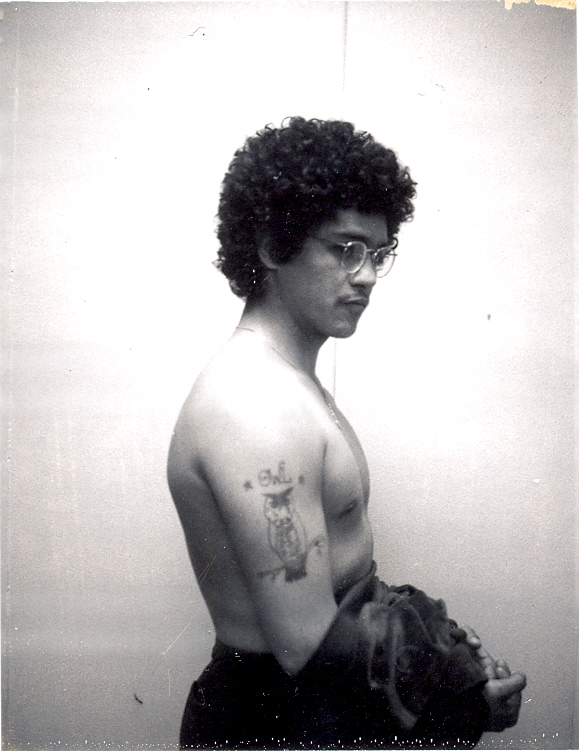
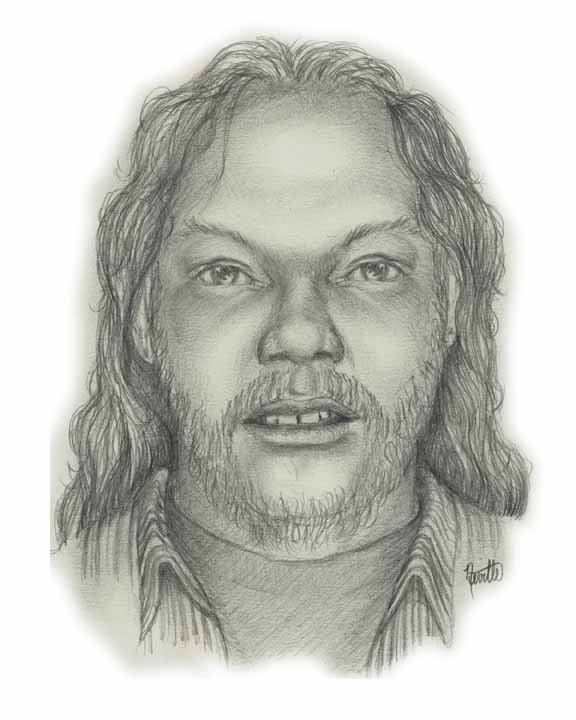
At the time of his disappearance, Robert was described as a white male, 5'9' tall, and weighing 180 pounds, with brown hair and brown eyes. He had several distinguishing marks, including a small scar in the middle of his forehead, scars on the last two toes of his right foot, and discolored skin on his right arm and the top of his right hand from childhood burns. He also wore glasses with silver frames and tinted lenses. Robert had no prior history of running away, and his family believes it would be highly uncharacteristic of him to not make contact. The Cheyenne Mesa treatment facility has since closed due to financial issues. Despite the passage of time, Robert's case remains an unsolved and troubling mystery, leaving his loved ones with unanswered questions about the fate of the young boy who vanished after a cryptic phone call.Last Seen: Jul 6, 1990