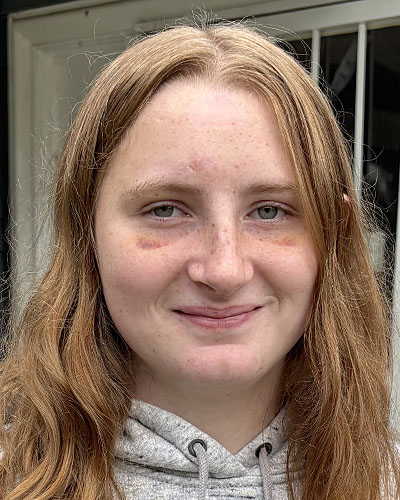
In the spring of 1998, a 31-year-old woman named Robin Lynn Jobson vanished from Flint, Michigan. On May 7th, she was last seen leaving a bar situated on Lewis Street. At the time she went missing, Robin was described as a white female with red hair and blue eyes, standing at approximately 5 feet 4 inches tall and weighing between 110 and 130 pounds. She may have had a pin in her leg and a prior injury to her right arm. Initially, her family was not immediately alarmed by her absence. Robin had been dating a man from Kentucky, and her loved ones presumed she had traveled to his home state with him. This assumption, however, would prove to be tragically mistaken as time stretched on with no word from Robin.
As days turned into weeks and then months with no contact, concern for Robin's welfare grew into a painful certainty that something was amiss. She had left her purse behind at the bar, a detail that suggested her departure may not have been planned. The man she was dating was never publicly named, and it remains unclear what, if anything, he knew about her disappearance. The lack of information surrounding the circumstances of her last known hours has made the investigation particularly challenging for law enforcement. Despite the passage of years, the Flint Police Department has kept her case open, hoping for a breakthrough that might finally shed light on what happened to her.
The mystery of Robin Jobson's disappearance is compounded by another tragedy that befell her family years earlier. In 1989, the body of a man named Jerry Dale Diener was discovered in a shallow pond. While his death was initially ruled an accidental drowning, suspicions of foul play lingered due to significant injuries, including a broken neck. In 2017, authorities reopened the investigation into Diener's death, exploring the possibility that it might be connected to Robin's subsequent disappearance. This potential link adds another layer of complexity to a case that has left a family searching for answers for decades. The overview of Robin's case is one of enduring uncertainty; a young woman who seemingly vanished into thin air, leaving behind only questions and a family clinging to the hope of one day finding resolution.
Robin Lynn Jobson was a 31-year-old woman when she was last seen in Flint, Michigan, on May 7, 1998. She was approximately five feet four inches tall and weighed between 110 and 130 pounds, with red or auburn hair and blue eyes. Robin had lived in the Flint area for about a year by the time she disappeared, although she also had strong family connections to the Vassar area of Tuscola County. On the final known day of her life, she was seen leaving a bar in the 1400 block of Lewis Street and walking north. What may have appeared to be an ordinary departure became deeply troubling when Robin failed to return, left behind an important personal possession and never contacted her family again.
Robin reportedly left her purse inside the bar. That detail has remained one of the most significant circumstances surrounding her disappearance because a purse commonly holds the identification, money and personal items a person would need while traveling or beginning a new life. There is no publicly available indication that Robin returned to retrieve it or asked anyone else to collect it. No confirmed witness has been identified as having seen where she went after she began walking north along Lewis Street, and no publicly described vehicle has been conclusively connected to her final movements. The known timeline therefore ends within a narrow section of Flint, where Robin walked away from the bar without the belongings she would ordinarily have been expected to keep close.
At the time, Robin was dating a man who lived in Michigan but was originally from Kentucky. When she did not come home, members of her family initially believed she may have traveled to Kentucky with him. That possibility may have provided a temporary explanation for her silence, especially if relatives thought she had left willingly and planned to contact them later. As the days and weeks passed, however, Robin never called, wrote or otherwise confirmed that she was safe. No verified evidence emerged showing that she had arrived in Kentucky, established a residence there or continued living under her own name. The belief that she had accompanied her boyfriend eventually gave way to the far more painful realization that she had vanished without leaving a confirmed destination or explanation.
Publicly available information does not identify Robin’s boyfriend as a suspect or report that he was charged with any offense connected to her disappearance. It also does not reveal whether investigators confirmed his whereabouts, established whether he had been with Robin on May 7 or found evidence that the couple had planned a trip together. The absence of publicly disclosed details has left many questions surrounding that relationship unanswered. What is known is that the original theory involving Kentucky did not lead to Robin’s recovery, and there has been no verified communication from her since she walked away from the Flint bar.
The case remained quiet for many years, but a potentially important development arose in 2016 when investigators received information suggesting that Robin might have been buried in a rural area of Tuscola County. Authorities acted on the tip and conducted an excavation in Vassar Township near a cemetery. The search reflected the seriousness with which investigators regarded the information and briefly raised hopes that the long uncertainty might finally end. Robin’s brother, Tony Jobson, publicly expressed appreciation that someone had come forward, explaining that the family needed to put the case to rest. Despite the effort, the excavation did not uncover Robin’s body or any publicly reported evidence connected to her disappearance.
The Vassar Township search was especially meaningful because Robin had ties to that region and because another unresolved death connected to people in her life had occurred there years earlier. In July 1989, Jerry Dale Diener was found dead in a shallow pond east of Vassar. He had suffered serious facial injuries and a broken neck, yet no autopsy was performed, no criminal investigation was initially conducted and his death was classified as an accidental drowning. Many people reportedly suspected that Diener had met with foul play. In 2017, authorities reopened the investigation into his death and began examining whether it could be connected in some way to Robin’s later disappearance.
Public case summaries do not fully explain the nature of Robin’s relationship to Diener or disclose what evidence caused investigators to consider a possible connection between the two cases. The renewed investigation did not result in a publicly announced arrest, and no official conclusion has established that the death and disappearance were caused by the same person or event. Nevertheless, the reopening of Diener’s case demonstrated that investigators were willing to reconsider older assumptions and examine whether previously overlooked violence in the Vassar area might help explain what happened to Robin nine years later.
Robin’s disappearance has remained an open cold case with the Flint Police Department. She is listed in the National Missing and Unidentified Persons System as case MP7551, with May 7, 1998, recorded as her date of last contact. A DNA reference sample from her daughter has been completed and made available within the national forensic system, preserving a method of comparison if unidentified remains are discovered. A sample associated with Robin’s mother required recollection, but her mother has since died. These family records may still provide investigators with an opportunity to resolve the case through future forensic comparisons, even after so many years have passed.
No person has been publicly charged with abducting or killing Robin, no confirmed crime scene has been announced and no verified sighting has shown that she remained alive after leaving the bar. Her purse, left behind on Lewis Street, continues to suggest that her departure may not have been a carefully planned decision to disappear. The unsuccessful cemetery search showed that investigators have received information pointing toward possible foul play, but the available evidence has not established where she went or what happened to her. Every unconfirmed theory has left her relatives facing the same absence of certainty that began when she did not return in May 1998.
Robin Jobson’s case is ultimately the story of a woman who walked north from a Flint bar, left her purse behind and vanished before anyone could establish where she was going. Her family first believed that she had traveled to Kentucky with the man she was dating, but she never contacted them and no evidence confirmed that she arrived there. Years later, a tip led authorities to dig near a Tuscola County cemetery, but the search found no remains, while the reopened investigation into Jerry Diener’s suspicious 1989 death introduced another possible but unproven connection. In overview, Robin’s disappearance remains an unresolved Flint cold case involving a 31-year-old woman last seen on May 7, 1998, a final walk along Lewis Street, abandoned personal belongings, an unsuccessful search for her remains and a family still waiting for the evidence or truthful account that will explain where she went and why she never came home.
Last Seen: May 7, 1998