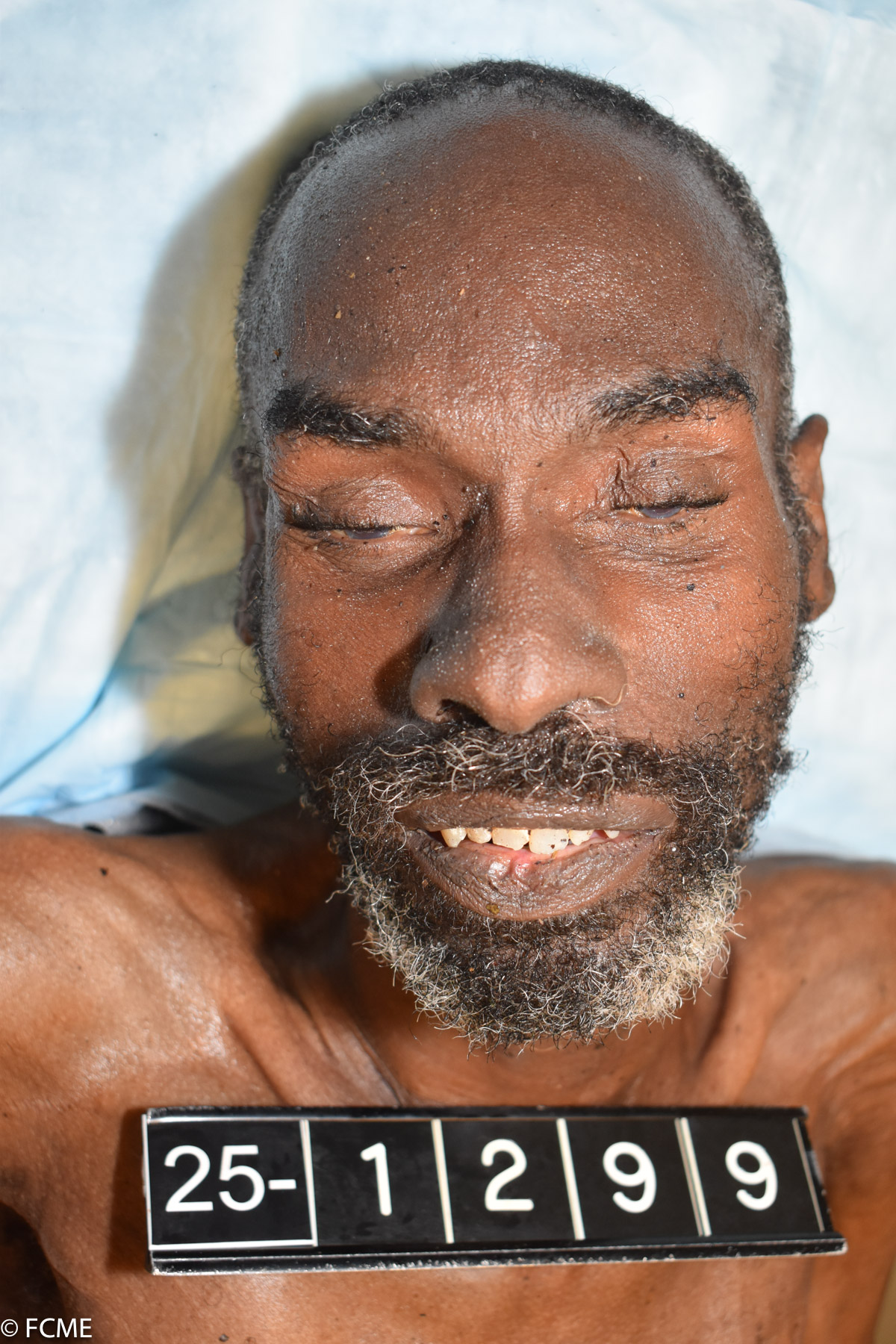
Alonzo Andrae Reynolds was a 45-year-old Black male who was last seen in Birmingham, Alabama, on March 31, 2005. Public missing-person records describe him as about 5 feet 6 inches tall and approximately 120 pounds, with black hair and brown eyes. At the time he disappeared, he was reportedly wearing a red t-shirt, a blue jacket, black jeans or blue jeans, and white sandals.
The available public information places his last known contact in Birmingham, in Jefferson County, but it offers very little about what happened in the moments before he vanished or where he may have been headed afterward.
The record of Alonzo’s disappearance is painfully brief, which is often one of the hardest parts of older missing-person cases. The Alabama Law Enforcement Agency lists him as an endangered missing person and notes that he was last seen in Birmingham on March 31, 2005. NamUs also lists his case under MP4651 and identifies the Birmingham Police Department as the investigating agency. According to the uploaded NamUs case data, the case was reported to Birmingham police on April 11, 2005, under agency case number 050431633, and the public case file does not describe a recovery or a resolution. That absence of detail does not lessen the seriousness of the case; instead, it leaves a quiet and troubling space where answers should be.
Public case summaries from The Charley Project and other missing-person listings repeat the same core facts: Alonzo disappeared from Birmingham, he was 45 years old, and few details have been released about the circumstances. The Charley Project describes him as missing since March 31, 2005, from Birmingham, Alabama, and gives the same physical description and clothing information found in other public databases. Uncovered’s listing is similarly concise, stating only that Alonzo Reynolds was last seen in Birmingham on that date. The limited public trail suggests that investigators and advocates have had to rely heavily on basic identifying information, a photograph, and the hope that someone who saw or knew something might still come forward.
Behind every sparse case file is a person whose absence changed the lives of people who knew him. Alonzo was not just a name in a database or a line in a missing-person bulletin; he was a man with a life, relationships, and a place in his community before he disappeared. The passage of time can make a case feel distant to the public, but for families and loved ones, the unanswered questions can remain immediate. In Alonzo’s case, the public record does not provide a known destination, a confirmed reason for his disappearance, or a detailed timeline after he was last seen. What remains is a careful outline: Alonzo Andrae Reynolds, a 45-year-old man, disappeared from Birmingham, Alabama, on March 31, 2005; he was described as 5 feet 6 inches tall, about 120 pounds, with black hair and brown eyes, last seen wearing a red t-shirt, blue jacket, dark jeans, and white sandals; his case has been carried in NamUs, Alabama state records, and missing-person advocacy databases, but the publicly available information remains limited, leaving his disappearance unresolved in the available records.Last Seen: Mar 31, 2005