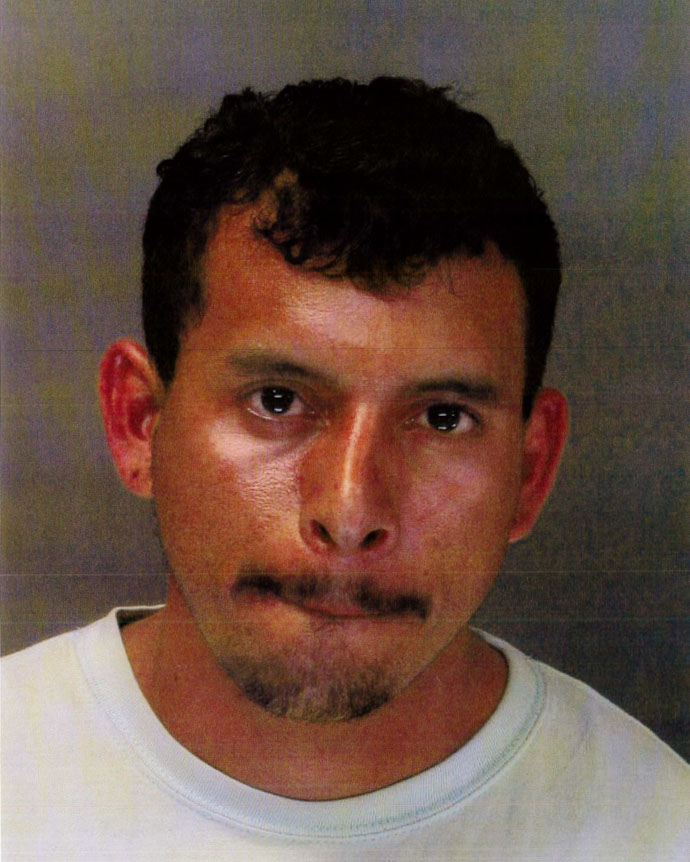
In the autumn of 2009, a young man named Victor Alfonso Colin Rojas, then 27 years old, vanished. He was last seen on October 29, 2009, in Nogales, Arizona, a city that rests on the U.S.-Mexico border. The circumstances surrounding his disappearance are sparse, with the primary detail being that he was last known to be crossing the border between the two countries.
At the time he went missing, Victor was described as a Hispanic male, standing between 5 feet 4 inches and 5 feet 6 inches tall, and weighing between 150 and 170 pounds. He had black hair and brown eyes. Distinctive features included two piercings in his left ear and a scar on his left cheek that ran from his nose to his ear. The clothing he was last seen wearing consisted of a short-sleeve dress shirt, white jeans with red stripes, a gray sweatshirt, and white 'Kewee' or 'Kiwi' brand tennis shoes with white socks. He was also carrying a leather wallet which held an image of the Virgen de Guadalupe and a list of telephone numbers for contacts in Sonora.
The investigation into Victor's disappearance is being handled by the Pima County Medical Examiner's Office, under case number FSC MPR 1558. This agency's involvement highlights a grim reality of the region. The Pima County Office of the Medical Examiner manages the largest number of unidentified remains in the United States, a significant portion of which are believed to be migrants who have perished in the harsh desert environment after crossing the border. The extreme heat and dry conditions can lead to rapid decomposition, often leaving remains skeletal and difficult to identify. This has necessitated innovative approaches to identification, including the use of forensic anthropology and advanced DNA analysis.
The Pima County Medical Examiner's Office collaborates with various organizations, including the DNA Doe Project and Moxxy Forensic Investigations, to utilize investigative genetic genealogy in hopes of identifying the hundreds of Jane and John Does in their care. Data from the National Missing and Unidentified Persons System indicates that there are over 1,200 sets of unidentified remains under the jurisdiction of the Pima County office, with a large percentage believed to be undocumented migrants from Mexico, Central, and South America. While Victor Colin Rojas's case remains open, the efforts of these dedicated professionals provide a glimmer of hope that one day, his family may have answers. The overview of this case underscores the perilous journey many undertake when crossing the border and the profound challenges faced by authorities in identifying those who tragically do not complete it.Last Seen: Oct 29, 2009