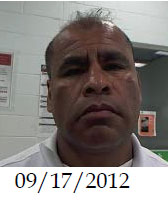
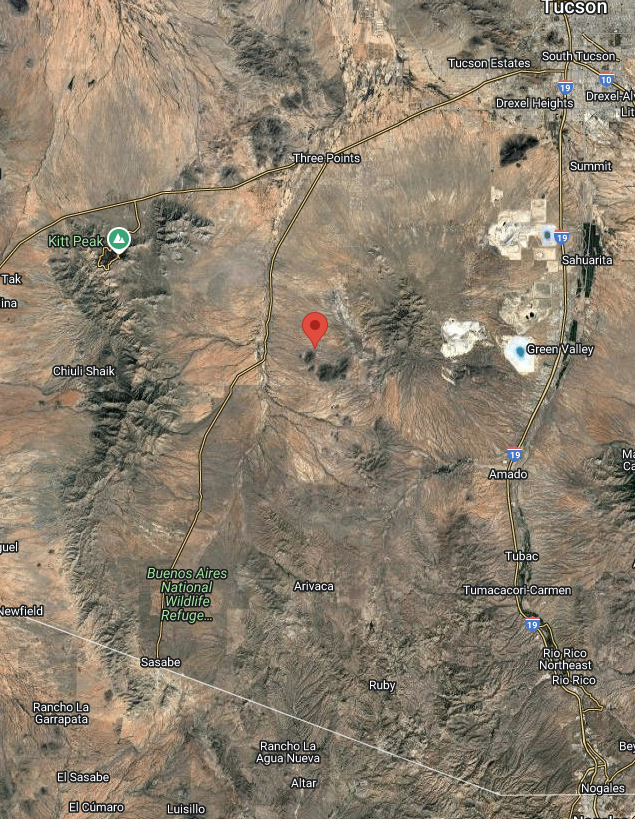
In the vast and often unforgiving landscape of the Arizona desert, another story of hope and uncertainty began to unfold on December 4, 2009. On that day, 50-year-old Juan Gabriel Gallardo Chavez, a Hispanic male, was last seen near the U.S.-Mexico border in the area of Sasabe, Arizona. Standing between 5 feet 5 inches and 5 feet 7 inches tall and weighing between 220 and 240 pounds, Juan was a man with distinct features.
He had brown hair and brown eyes, and his body told a story of a life lived, marked by a six-centimeter scar below his right knee, chickenpox scars on his face, an abscess below his right shoulder blade, and flat feet. The circumstances surrounding his last known moments are sparse; it is simply known that he was in the process of crossing the border. What happened after that point remains a mystery, a void of information that his family has had to endure for years.
The official report of his disappearance was not created until July 30, 2012, nearly three years after he was last seen. The case was taken on by the Pima County Office of the Medical Examiner, who are tasked with the heart-wrenching work of identifying the many human remains recovered from the harsh desert environment. This region is a perilous route for migrants, and tragically, many lives are lost. The investigation into Juan's whereabouts became one of many such cases handled by the agency, each representing a family left in limbo. With no information available about the clothing he was wearing or any personal belongings he may have had with him, the task of finding him became immensely more challenging.
The search for Juan Gallardo Chavez is an ongoing effort, a quiet but persistent endeavor to bring answers to those who are left waiting. The Pima County Office of the Medical Examiner listed his case with the agency number FSC MPR 1575, a formal designation for a deeply personal tragedy. Like so many others who have vanished in this border region, Juan's case represents a silent crisis. The lack of specific details about his disappearance highlights the difficult and often anonymous journeys undertaken by many. His case is a poignant reminder of the human element behind the statistics of border crossings, a story of a man who one day was present and the next was gone, leaving only questions in his wake. The overview of this case is one of profound uncertainty, a narrative defined by its missing final chapter, with a family still waiting for any news of what became of Juan Gabriel Gallardo Chavez.Last Seen: Dec 4, 2009