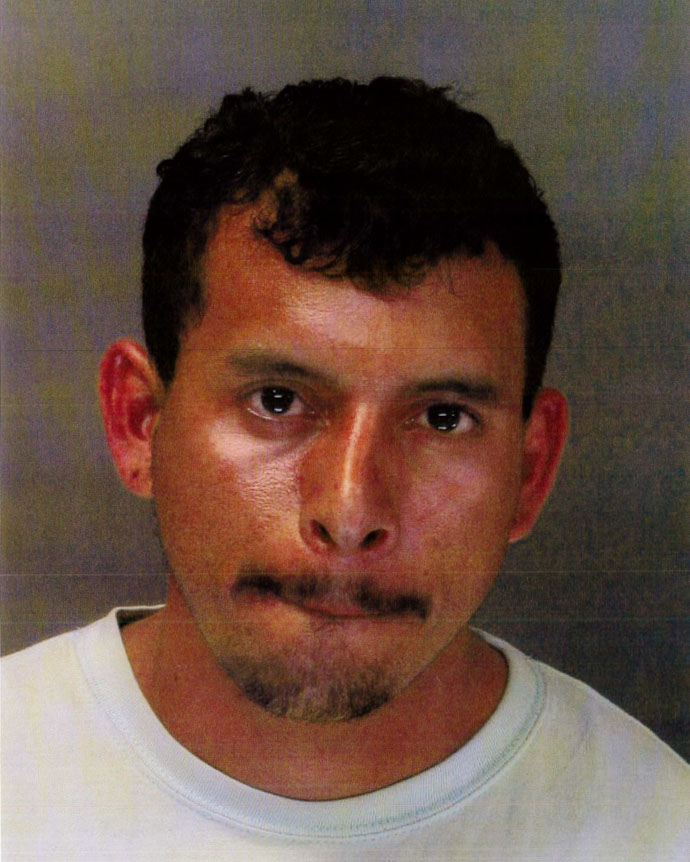
In the vast and often unforgiving landscape of the Arizona desert, the story of Jesus Alfredo Barrios Rodriguez unfolds, a narrative of a journey that ended in silence. At the age of 30, a man identified as Jesus was last seen on March 16, 2011, in Sasabe, Arizona, a small, unincorporated community sitting on the edge of the U.S.-Mexico border in Pima County. His intention was to cross the border, a common yet perilous undertaking in this region.
At the time of his disappearance, he was described as a Hispanic male, standing between 5 feet 6 inches and 5 feet 7 inches tall, and weighing approximately 158 pounds. He had black hair, brown eyes, and a sparse mustache. A distinctive swirl-shaped scar on his forehead formed a unique peak in his hairline. His last known attire consisted of a short-sleeved grey shirt with blue stripes, a grey sweater, and blue jeans, complemented by white tennis shoes and white socks. He carried a black backpack and wore a black leather belt with a silver buckle and a black nylon hat.
The circumstances surrounding his disappearance are sparse, with the primary detail being his last known activity of crossing the border. This act itself is fraught with danger, from the harsh environmental conditions of the Sonoran Desert to the potential for encountering individuals involved in illicit activities. For many who attempt this journey, the outcome remains unknown to their families for years, if not forever. The Pima County Medical Examiner's Office took on his case, designated as FSC MPR 1843, on April 28, 2011, more than a month after he was last seen. This suggests that the report of his disappearance was not immediate, a common occurrence in cases involving border crossings where communication can be difficult and uncertain. The passage of time without any contact or sightings slowly turned a hopeful wait into a painful mystery for those who knew him.
The official investigation into the disappearance of Jesus Barrios Rodriguez has yielded few public developments over the years, leaving his case to be counted among the many unresolved missing person files in the border region. The collection of DNA from family members, indicated as pending, represents a crucial step in such cases, offering a glimmer of hope that remains or unidentified individuals found in the future could be matched and bring some form of closure. The details of his clothing and his unique physical scar are the silent witnesses to his identity, logged in databases in the hope of a future match. The overview of this case highlights the ambiguous and often tragic reality for many who go missing near the U.S.-Mexico border. It is a story of a young man who vanished while seeking a different future, leaving behind a void of information and a family waiting for answers. His case remains a poignant reminder of the human element behind the statistics of border crossings and the enduring uncertainty that families of the missing are forced to endure.Last Seen: Mar 16, 2011