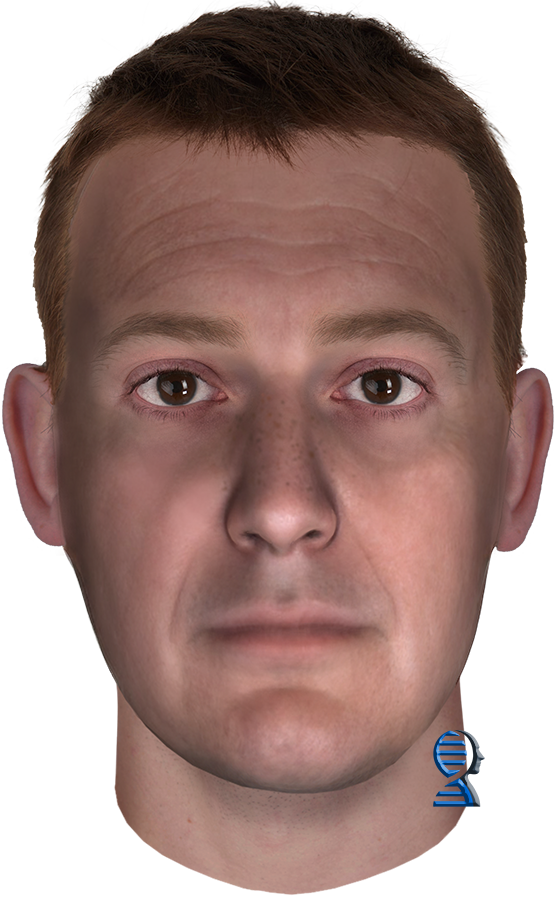
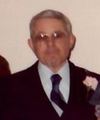
Aug 5, 2014
Jan 8, 2024
Arthur
Halfich (jr.)
70
46
70 inches
185 lbs
White / Caucasian
Male
Oct 26, 2002
Portland
Oregon
Multnomah County
No
15592
Portland Police Bureau
Portland
Oregon
Multnomah County
97204
Heidi Helwig
Detective
1111 Southwest 2nd Avenue, Oregon
5038230400
Local
Law Enforcement
02-106249
Nov 7, 2002
Portland Police Bureau
Brown
Brown
Brown
Oct 9, 2026
Unidentified remains cases whose details are consistent with this person, ranked by how closely they compare. Fields that are unknown in either case are left out of the score.
These comparisons are generated automatically from public NamUs case data and are not confirmed identifications. Only DNA, dental or fingerprint comparison by investigators can confirm an identity. If you believe two cases are connected, contact the agency handling the unidentified case.
Unidentified photos are blurred because many are post-mortem. Tap a photo to reveal it.