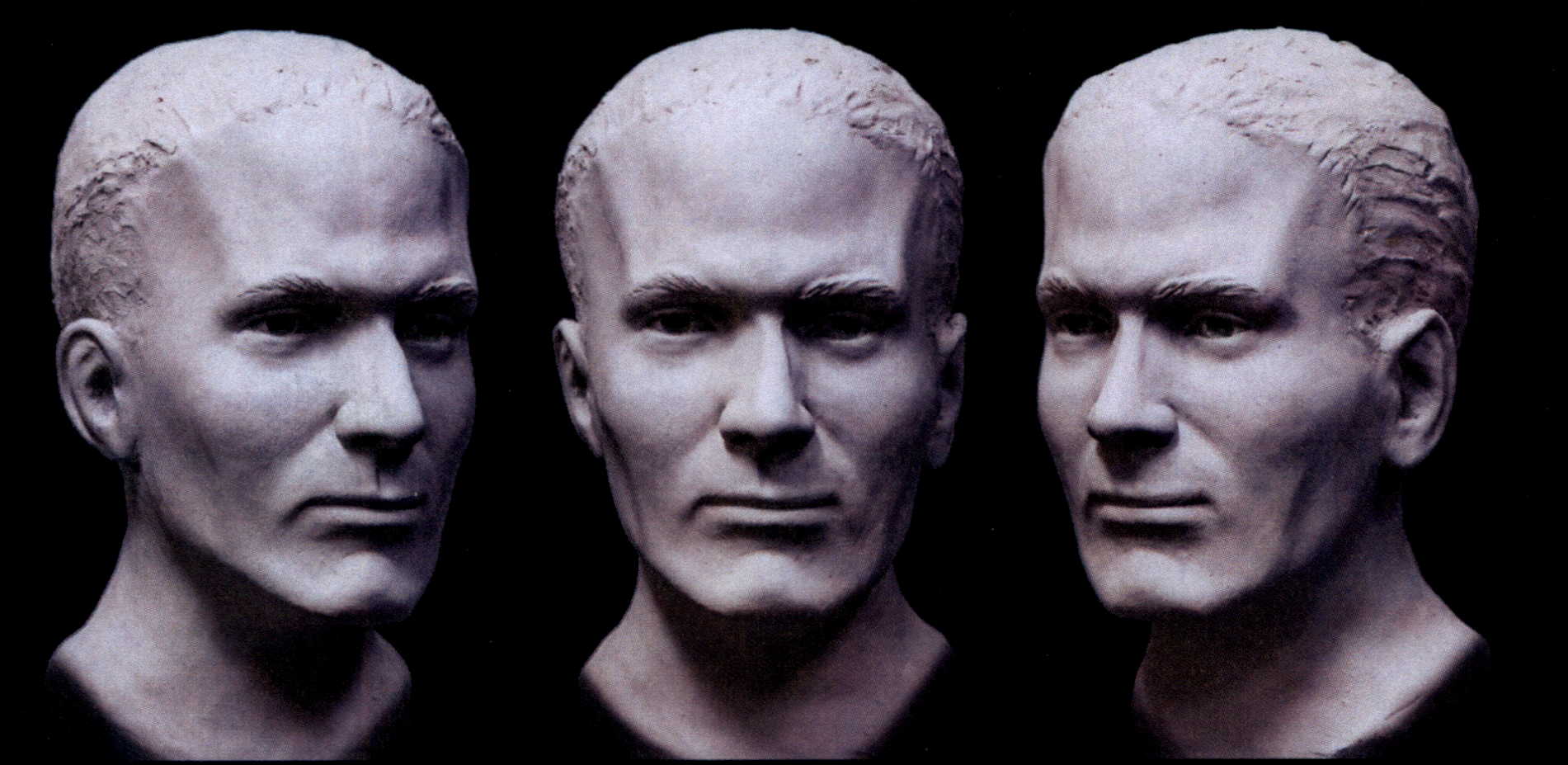
In the rural landscape of southeastern Oklahoma, the story of Joe David Key's disappearance began on February 12, 2001. At 30 years old, Joe, who was also known by the nickname 'Joey', was last seen in the town of Talihina, located in Latimer County. He was a man of both White and Native American descent, standing at 5'9' and weighing around 150 pounds, with brown hair and brown eyes.
His life was marked by certain health challenges; he lived with a seizure disorder and was partially blind and paralyzed. These conditions, along with a plate inserted in his skull, made him particularly vulnerable. His appearance was further distinguished by several tattoos, including a sword or knife with the word 'Outlaw' on his left arm, a motorcycle with the name 'Brittany' also on his left arm, and his nickname 'Joey' tattooed across his knuckles.
The circumstances surrounding Joe Key's vanishing are shrouded in mystery, with very few details publicly available. On that February day, he was present in Talihina, and then he was gone, leaving behind a silence that has stretched over two decades. His case is managed by the Oklahoma State Bureau of Investigation and the Latimer County Sheriff's Office, who have kept his file active in the hope that new information might one day surface. The lack of clear evidence or witnesses has left his family and investigators with a painful and unresolved void. The official investigation continues, with his case listed as a suspicious disappearance.
Joe Key's case does not exist in isolation, which adds another layer of complexity to the investigation. His disappearance occurred around the same time as two other men from the same general area, Darrell Hammons and Jeffrey Lee Ben. This has led to speculation about a possible connection between the three cases, though no definitive link has ever been established. Tragically, Jeffrey Lee Ben's remains were discovered in neighboring Pushmataha County in 2006, confirming he had been the victim of a homicide. Darrell Hammons, like Joe Key, remains missing. This series of events paints a grim picture of the potential dangers that existed in the region at the time. The overview of Joe Key's case is one of enduring uncertainty, a testament to the silent anguish that families of the missing endure. With significant medical conditions and a lack of leads, the search for answers continues for a man who seemingly vanished without a trace.Last Seen: Feb 12, 2001