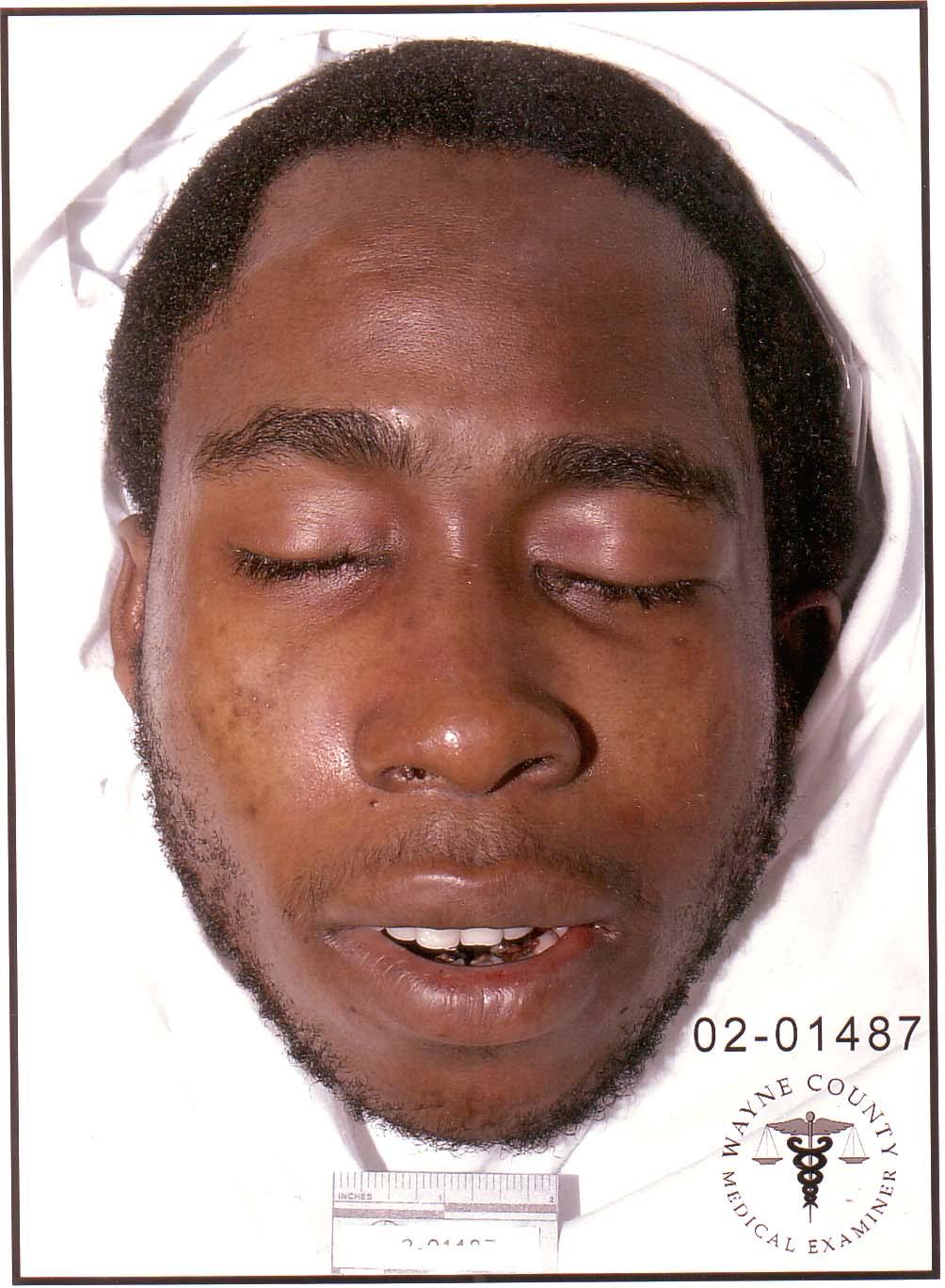
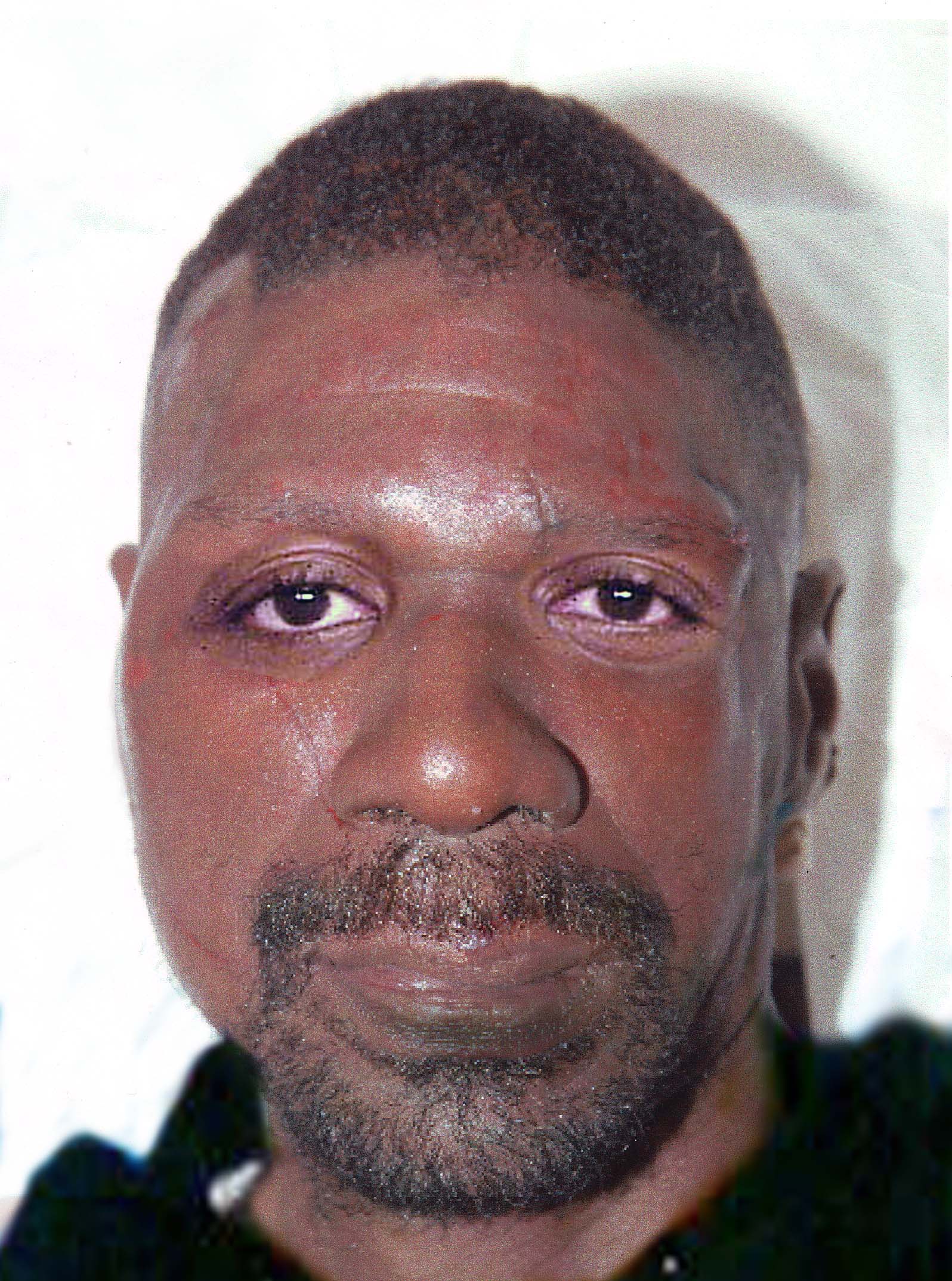
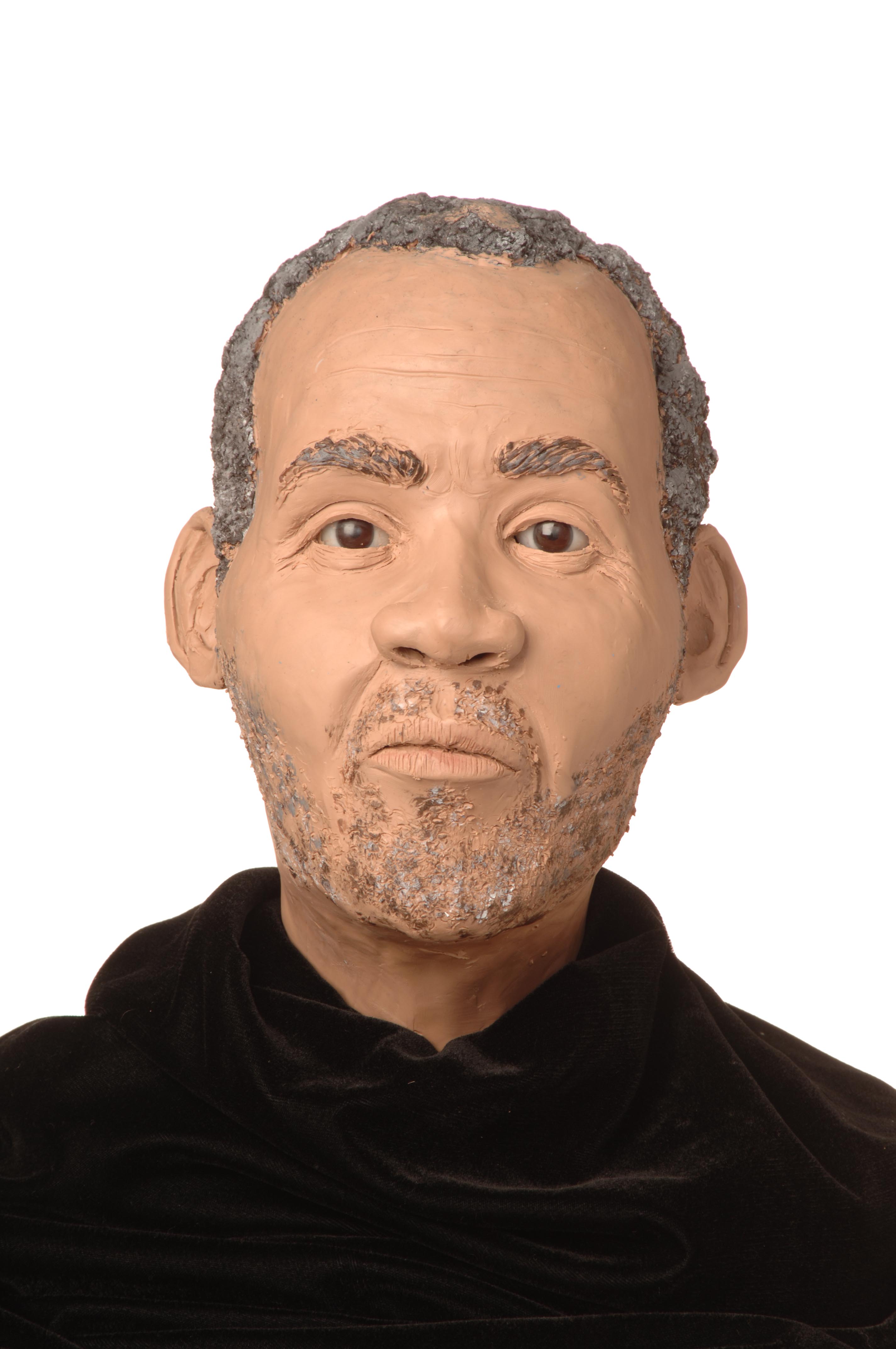
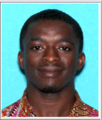
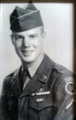
Dalrico Cortez Braxton was 27 years old when he disappeared from Lansing, Michigan, on October 30, 1998. Braxton, a Black man known to some people as “Rico,” was last seen in the 2800 block of Midwood Street. He left that area intending to travel to his job at Pawnbrokers Plus, a pawnshop located on Waverly Road. What should have been an ordinary trip to work instead became the last confirmed movement in his life.
He did not return home, and no verified communication from him was reported afterward. The sudden break in his normal routine left his loved ones without an explanation and transformed a familiar route through Lansing into the starting point of a mystery that has endured for decades.
Publicly available accounts contain slightly different wording about the final sequence of events. Some descriptions say Braxton was last known to be working at Pawnbrokers Plus and then vanished after leaving for work, while the more detailed case summary states that he was seen on Midwood Street before departing for the pawnshop. The consistent facts are that he was associated with Pawnbrokers Plus on Waverly Road, that he was expected to go to work, and that he vanished without returning home or contacting those who knew him. No publicly released account describes a confirmed sighting after that day, identifies a vehicle connected to his disappearance, or explains whether he reached the business. The absence of those details has made it difficult to reconstruct where his journey was interrupted or what may have happened between Midwood Street and his destination.
At the time he vanished, Braxton was described as approximately five feet nine inches tall and weighing about 200 pounds, with black hair and brown eyes. In addition to the nickname Rico, records indicate that he may have used the name Tony Smith, a detail that investigators and the public have been asked to keep in mind when reviewing old records or recalling past encounters. The available case information does not identify the clothing he wore that day, list personal belongings that were recovered, or describe any distinctive physical feature beyond his general appearance. It also does not publicly identify a suspect, announce an arrest, or disclose evidence establishing that he was the victim of a crime. With so little information released, the possibilities surrounding his disappearance remain broad, but there is no confirmed evidence in the public record supporting one explanation over another.
The Lansing Police Department remains the investigating agency, and Braxton continues to be listed in the National Missing and Unidentified Persons System under case number MP58062. Investigative records also show that DNA reference samples from his sister and son were completed, with profiles entered for comparison against national databases. Those samples provide investigators with a way to evaluate unidentified-person cases that may be connected to him, even many years after his disappearance. Despite the passage of time, no official report located in the available sources states that Braxton has been found, and Lansing continues to maintain information concerning long-term missing-person cases. Anyone who remembers seeing him, knew of his plans, encountered someone using the name Tony Smith, or has information about his route to Pawnbrokers Plus could hold a detail that once seemed unimportant but may now help clarify what happened. Dalrico Braxton’s case is ultimately the story of a man who left for work on an October day in 1998 and disappeared before the ordinary course of his life could resume, leaving behind a family without answers, an investigation with few publicly known clues, and a long-standing question about how someone could vanish during such a routine part of the day.Last Seen: Oct 30, 1998