

Four Public Signals That Show Real Cold Case Progress for Families

Authoritative updates on a cold case come from four places: the investigating agency’s press releases and news archive, its dedicated cold-case page, a state cold-case database or attorney general’s cold-case unit, and national listings like NamUs. Real progress looks like a confirmed identification, a DNA or CODIS match, a genetic genealogy breakthrough, an arrest, a case reclassification, or a new reward posting, not a repost of old details.
TL;DR:
- Most official updates on cold cases appear after forensic breakthroughs like DNA matches, genetic genealogy, or new evidence testing, not routine case reviews.
- Public communications often include lab or genealogy partners, recent date stamps, and specific evidence details, while vague or repetitive pages are not true updates.
- Reopened cases usually cite new evidence or testing, whereas inactive cases lack recent activity or new leads, even if under investigation.
- For effective tracking, use exact case numbers, search agency websites with date filters, and check for case-specific tags like “unsolved” or “cold case.”
- Contact agencies via official tip lines or web forms, keeping records and asking for designated family liaison contacts if you are next of kin.
Table of Contents
- Where to find official public updates on a cold case
- What status labels in cold case reports actually mean
- How to request updates and submit tips to investigators
- Forensic breakthroughs that trigger public case updates
- Staying grounded while a case moves slowly
- Finding more case detail through Crime Solvers Central
- Sources
- FAQ
Where to find official public updates on a cold case
Four resources consistently produce the most reliable information, and knowing which one to check first saves time.
Local police departments post case-specific news through their public information offices, usually under a “news” or “press releases” tab. Many maintain a separate cold-case page listing open files by year or case number. State-level cold-case units, often housed inside a Bureau of Investigation or the attorney general’s office, aggregate cases across jurisdictions and tend to update more consistently than a single small department. National tools like NamUs let you search unidentified and missing-persons cases by state, so you can cross-reference a local case against a federal listing.
To search effectively:
- Use the exact case number if you have one, since names are often misspelled across agency systems.
- Search the victim’s full name along with the word “cold case” to filter out unrelated news.
- Check the agency’s news archive using date filters rather than scrolling through years of unrelated posts.
- Look for a dedicated “unsolved” or “cold case” tag on the agency’s website navigation menu.
A genuine update usually carries a few tells: a recent date stamp, the name of a crime lab or genealogy partner, a tip-line number, and specific language about evidence submitted or reviewed. A page that simply repeats the original incident summary with no new date is not an update. The Cold Case Database is a useful starting point for locating these sources by state before you go agency by agency.
What status labels in cold case reports actually mean
Agencies use a handful of recurring terms, and each one signals a different level of activity.
- Open or active: detectives are working the file, though “active” does not guarantee frequent public communication.
- Inactive: no new leads exist, and the case sits until new evidence, a tip, or new technology creates a reason to revisit it.
- Reopened: new evidence, testing, or a review triggered fresh investigative work.
- Identified: a previously unnamed victim or suspect has been confirmed, typically through DNA or dental records.
When reading an update, check who issued it (a detective, a public information officer, or a prosecutor’s office), what lab or forensic partner is named, and whether a district attorney is quoted. Phrases like “seeking information from the public” or “evidence has been submitted to the lab” usually point to active pursuit. Language describing a case as “administratively closed” or “inactive pending new leads” signals the opposite.
One reliable signal cuts through the noise: agencies that publish family liaison contacts and tip-line numbers on their cold-case pages tend to generate more public tips and issue more frequent case-specific updates, according to National Institute of Justice research on cold-case units.
How to request updates and submit tips to investigators
Getting a response starts with contacting the right person the right way.
- Identify the agency and contact. Find the department currently holding the case, locate its cold-case unit or family liaison contact, and gather the case number along with any supporting paperwork before reaching out.
- Use the official tip line or web form first. Keep your message factual and brief, note the date and method you used to contact them, and avoid speculation that could complicate the investigation.
- Ask directly for a family liaison if you are next-of-kin. Expect confidentiality limits on what detectives can share publicly, and ask about a realistic timeline for a response rather than assuming silence means inaction.
Pro Tip: Keep copies of everything you submit, including screenshots of web forms, and ask the agency directly how they prefer follow-up contact, whether that is email, phone, or an in-person meeting.
Community-focused guidance on approaching agencies and working alongside investigators is covered in more detail in collaborating with communities on unsolved crimes.
Forensic breakthroughs that trigger public case updates
Most public updates trace back to a specific technical or procedural event rather than routine review.
- CODIS matches confirm a genealogy lead once a tentative family connection has been verified through targeted testing.
- Evidence audits and re-testing resurface old samples using technology unavailable at the time of the original investigation, a process explored further in why cold case audits yield new leads.
- Prosecutor engagement often follows the forensic work, since a district attorney typically waits for confirmed evidence before commenting publicly.
A structural detail explains many of the gaps between developments and disclosure: NIJ’s national best-practices research identifies new forensic technology, evidence audits, and fresh witness leads as the primary reasons cold cases reopen, with public announcements typically following well after the internal work begins.
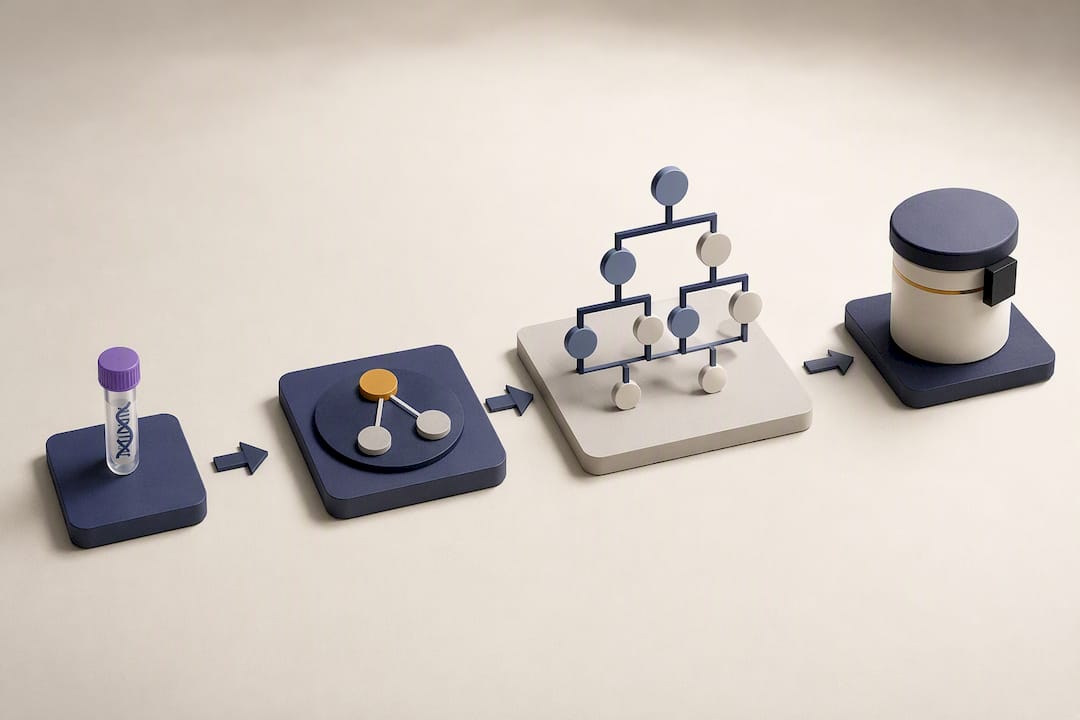
Genetic genealogy in particular is slow by design. It starts with a tentative match from public or voluntary DNA databases, moves through genealogist research, and ends with targeted confirmation testing, a sequence that can stretch across many months before an agency says anything publicly. Lab backlogs, interagency review, and prosecutorial caution about premature disclosure add further delay. The DOJ’s Civil Rights Division cold-case initiative illustrates this at the federal level, where centralized review of civil-rights-era cases produces periodic public reporting rather than a running log. A dedicated look at how DNA re-testing feeds these announcements appears in the role of DNA in cold cases.
Staying grounded while a case moves slowly
Watching a case sit without visible movement is exhausting, and it is fair to want more than silence. Confirm any news through the agency’s own page or a verified press release before trusting a secondhand post, since misinformation spreads quickly around high-profile cases. Following the agency’s official social media or signing up for email alerts, where offered, keeps you informed without requiring you to check manually. Supporting vetted victim-support programs or evidence-testing funds is a constructive way to stay involved. Absence of news rarely means absence of work: much of the forensic and investigative process happens before anything becomes public.
— Crime
Finding more case detail through Crime Solvers Central
Checking agency pages one by one works, but it takes time most families and volunteers do not have to spare. Crime Solvers Central organizes cold cases by state and situation in a single searchable database, so instead of tracking down a dozen separate police news pages, you start with one. Membership tiers unlock full case files, digital evidence boards, and community tools like flyer builders and AI image progression, features built for ongoing tracking as described in this article. Full pricing for each plan is listed on the membership page. If you are trying to follow a specific case or contribute to the broader effort of getting unsolved cases in front of more eyes, start by searching the cold case database for the case you’re following.
Sources
A short set of sources covers most of what a family or community member needs to track.
- Expert Panel Issues New Best Practices Guide for Cold Case Investigations | National Institute of Justice
- National Best Practices for Implementing and Sustaining a Cold Case Investigation Unit (NIJ)
- Cold Case Initiative | U.S. Department of Justice, Civil Rights Division
FAQ
What are the latest updates on unsolved mystery cases?
Updates on well-known unsolved cases are typically announced by the investigating agency itself, not by a media franchise, so the most reliable source is the agency’s own press release or cold-case page. Check the specific state or local agency handling the case for the most current status.
Can the public see cold case files?
Full investigative files are generally not public due to ongoing investigation protections and privacy rules, but agencies often publish case summaries, victim information, and tip-line details on cold-case pages. Databases like NamUs and Crime Solvers Central’s national database compile publicly available case information by state.
How long does it take for a case to go cold?
Definitions vary by agency, but NIJ’s working-group guidance generally treats an unsolved violent crime, missing-persons case, or unidentified remains case as cold once it has gone unsolved for at least three years.
Have any cold cases been solved recently?
Yes, recent identifications have come through investigative genetic genealogy and advanced DNA testing, methods cited in recently resolved cases tracked by genealogy centers and confirmed by agencies such as the Colorado Bureau of Investigation. These cases typically move from a tentative genealogy match to a confirmed identification only after targeted DNA testing.