

264,913 Cold Cases: How Families Use NamUs and Crime Solvers Central

A cold case investigative unit, in this context, is a searchable cold-case database and community platform that lets families, volunteers, and researchers find, submit, and coordinate case information. It bridges the gap between official records and the people still fighting for answers. The first move is simple: search NamUs for existing records, then register the case on a platform like Crime Solvers Central to build a fuller file.
TL;DR:
- Public databases like NamUs are free and should be the first step for searching missing persons or unidentified cases, especially with variations in names and descriptors.
- Organizing detailed case information and submitting it through official channels with a clear timeline, photos, and forensic data accelerates investigation progress.
- Physical evidence must stay in official custody to remain admissible; contact investigators immediately rather than holding or mishandling evidence.
- Volunteer and community platforms like Crime Solvers Central complement official efforts by organizing case files, connecting volunteers, and aiding in visualizing timelines.
- FOIA requests are usually only effective for closed or long-dormant cases, and sharing unverified details publicly can hinder investigations and pose legal risks.
Table of Contents
- What Do Cold Case Databases Actually Offer?
- How Do You Search National Databases and Public Records?
- How Do You Submit or Update a Case Correctly?
- How Do You Help Without Compromising the Investigation?
- Who Else Can Help: Nonprofits, Forensic Programs, and Volunteer Networks
- The First 30, 90, and 180 Days
- Why Centralized Records and Community Platforms Matter
- How Crime Solvers Central Supports Your Search
- Where to Verify the Details
- Sources
- FAQ
What Do Cold Case Databases Actually Offer?
A cold case platform works like a filing cabinet crossed with a support group. Case profiles are searchable by state, situation, and type, so a family in Ohio can quickly see whether a pattern in Indiana matches. Full access, including detailed case files, digital evidence boards, and forum discussions, is usually reserved for members, since sensitive details need some gatekeeping to protect investigations and families alike.
The features tend to cluster around a few core functions:
- Searchable case profiles sorted by state and case type
- Member-only access to complete case files and source documentation
- Digital evidence boards for organizing timelines and photos
- Community forums for researchers and advocates
- Flyer builders and AI image progression tools
- Volunteer coordination and safety initiative sign-ups
Families use these tools to keep a case visible. Volunteers and amateur researchers use them to cross-reference details. Public databases like NamUs stay free and government-run, which makes them the natural starting point before a family ever considers a paid membership elsewhere.
How Do You Search National Databases and Public Records?
Most people start in the wrong place. They search a name on Google before checking the actual government database that was built for this exact purpose.
- Search NamUs first. Enter name variations, physical descriptors, and an approximate timeframe. Misspellings and nicknames matter here, since a missing person’s case might be logged under a maiden name or an alias no one thought to check.
- Cross-check with a dedicated platform. A resource like Crime Solvers Central lets you filter by state, case type, and situation (missing, unidentified, unclaimed), which NamUs’s search tools alone don’t always surface in the same way.
- Record everything. Save the date of the search, the exact terms used, and screenshots of anything that looks close. Investigators need to know how you found a lead, not just what you found.
- Narrow before you widen. Filter by state and approximate age range first. Casting too broad a net early on buries real matches under noise.
Pro Tip: Keep a simple spreadsheet of every search you run. When you find a potential match six months later, you’ll want to know exactly what terms you tried and when, so you’re not repeating dead ends.
How Do You Submit or Update a Case Correctly?
Investigators can only work with what they’re given, and a disorganized case file slows everything down. Structured, documented information is what actually moves a case forward, according to NamUs’s own guidance on case intake.
Before submitting or updating a record, gather:
- A detailed timeline of the person’s last known movements
- Recent, clear photographs, ideally from multiple angles and time periods
- Dental records and any relevant medical history
- A DNA reference sample or a plan to provide one through the investigating agency
- Last known location, vehicle details, and clothing description
NamUs vets public entries in coordination with the agency handling the case, so submissions aren’t just floating in a database unchecked. That’s also why contacting the assigned investigator directly matters. A platform can hold your documentation, but the agency of record decides what moves into active review. Once submitted, expect a vetting period rather than instant publication. Organize files by category (timeline, medical, visual, forensic) before you submit anything, since a clean structure gets reviewed faster than a folder of scattered attachments.
How Do You Help Without Compromising the Investigation?
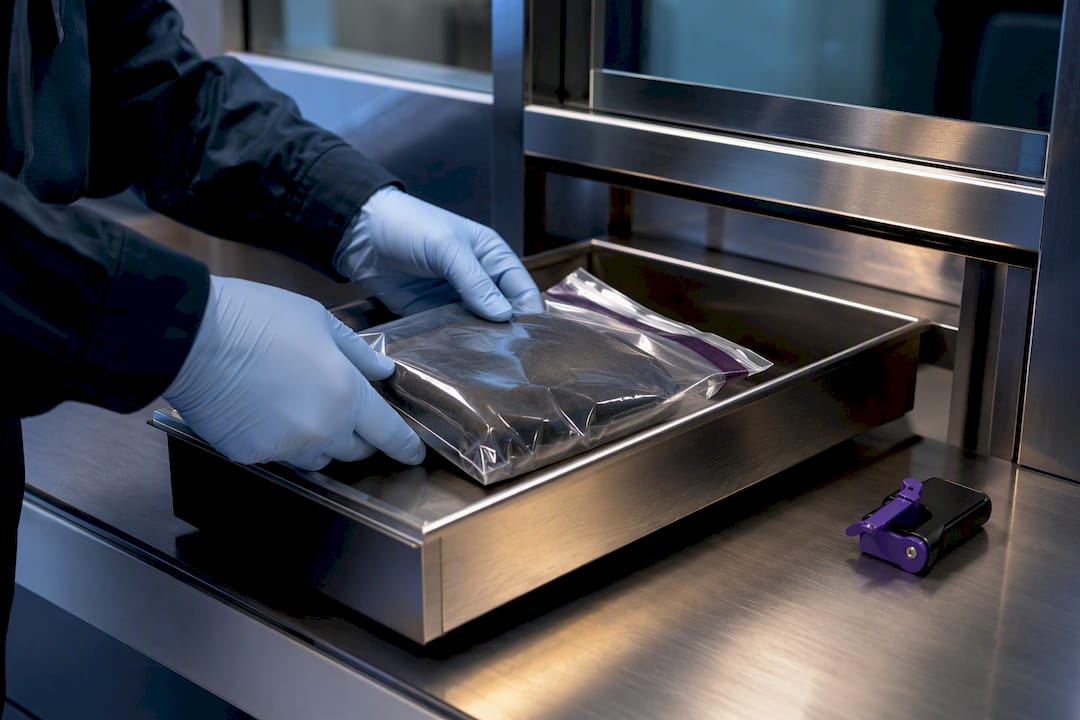
Good intentions can still damage a case. Chain of custody is the first thing to understand: physical evidence, letters, clothing, anything tangible, has to move through official channels exactly as instructed, or it can become inadmissible in court no matter how relevant it is. Never hold onto physical evidence hoping to hand it over later. Contact the investigator immediately and follow their instructions for transfer.
Records requests work differently depending on case status. FOIA generally doesn’t grant access to active investigations, but requests focused on closed or long-dormant files tend to succeed far more often. Know which category your case falls into before filing.
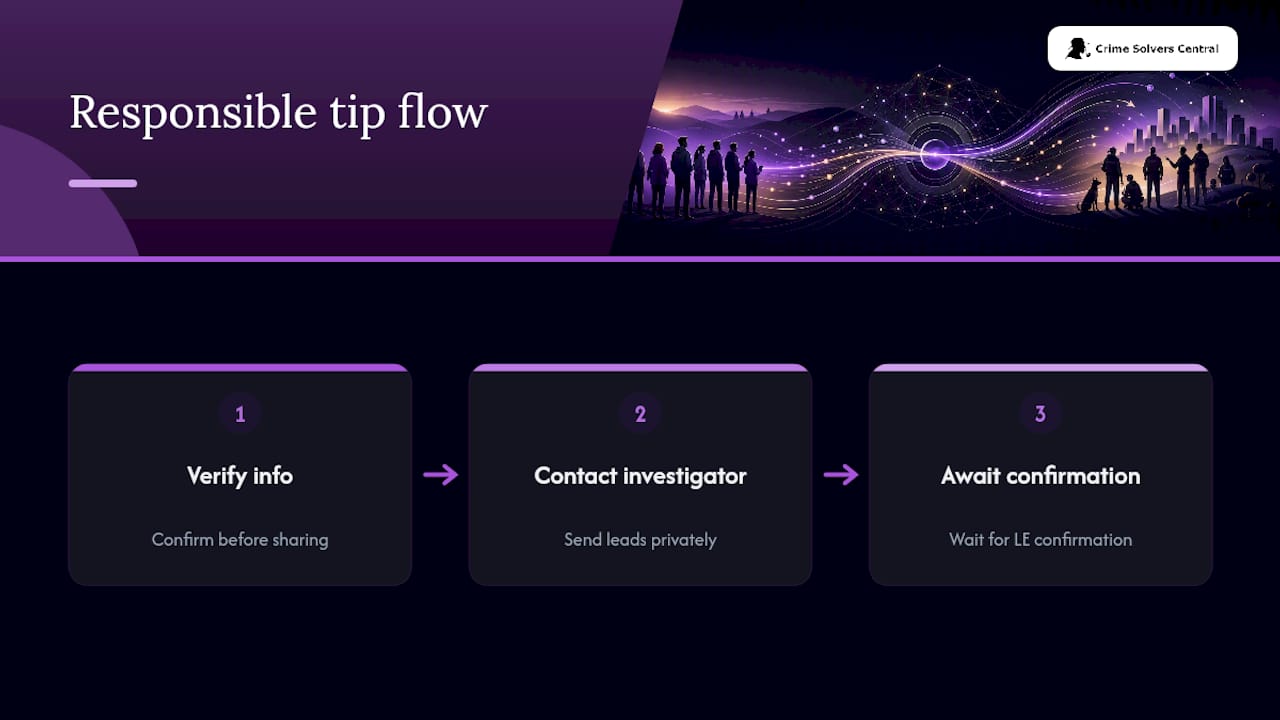
Safety and privacy cut both ways. Publicly naming a suspect based on a hunch, sharing someone’s home address, or amplifying unverified claims can expose your family to legal risk and can actively hurt the investigation. New leads belong with the assigned investigator first, not a public forum post. Share responsibly, verify before you post, and let law enforcement confirm before a claim goes wide.
Who Else Can Help: Nonprofits, Forensic Programs, and Volunteer Networks
No family should be doing this alone, and they don’t have to be. A handful of organizations specialize in exactly this kind of support:
- NamUs offers no-cost forensic services, including DNA analysis, forensic anthropology, and fingerprint assistance, for qualifying cases.
- National Center for Victims of Crime, through its VictimConnect program, provides a helpline for victims’ families navigating the emotional and logistical weight of an unsolved case.
- Doe Network is a volunteer-run database that helps match missing person reports against unidentified remains, forwarding potential matches to investigators.
- Funding programs occasionally cover advanced DNA testing for cases that qualify but lack agency budget for it.
Volunteer databases generate leads and cross-references, but they don’t replace formal forensic testing. Think of them as the net that catches what official channels might miss, not a substitute for the lab work itself.
The First 30, 90, and 180 Days
Momentum matters more than perfection here. A rough timeline:
- Days 1 to 30: Search NamUs and a dedicated platform, register or confirm the case listing, gather IDs, dates, and photos, and contact the assigned investigator.
- Days 31 to 90: Submit complete case materials, request a forensic review if the case qualifies, and join community forums carefully, sharing only what’s already public.
- Days 91 to 180: Coordinate volunteers for outreach, follow up on any pending testing or funding applications, and keep a running log of every call, email, and update.
Pro Tip: Set a recurring 30-day reminder to follow up with the investigating agency. Cases don’t move faster because you check in more, but a documented history of contact shows you’re staying engaged and can matter if the case gets reassigned.
Why Centralized Records and Community Platforms Matter
Crime Solvers Central was built around a simple frustration: cases scattered across disconnected county sites and outdated PDFs rarely get solved. A national database of over 264,913 cases, organized by state and situation, exists precisely because fragmented records cost families time they don’t have.
Realistically, volunteer effort and public visibility don’t replace lab work or agency resources. What they do is keep a case from going silent. Progress here is measured in years, not weeks, and the families who stay engaged with investigators, not around them, tend to see the most movement.
— Crime
How Crime Solvers Central Supports Your Search
Crime Solvers Central gives you something NamUs alone doesn’t: a member community actively working alongside the public record, not just sitting next to it. Full case files, digital evidence boards, volunteer coordination tools, and AI image progression tools live behind membership, complementing free resources like NamUs rather than duplicating them. A family that’s already searched NamUs can use Crime Solvers Central to organize what they’ve found, build a visual timeline, and connect with volunteers who’ve worked similar cases before.
Membership starts at an affordable monthly rate, with multiple tiers offering varying levels of access; current pricing details are available on the pricing page. If you’re managing volunteers alongside case advocacy, a resource like this nonprofit CRM comparison can help you keep contributors organized as your support network grows. Start by searching the national case database to see what’s already documented, then register to build out a full file with your family’s information.
Where to Verify the Details
For procedures, forensic services, and legal limits, go straight to the source: NamUs for searches and forensic support, FOIA.gov for records requests, and the National Center for Victims of Crime for victim helplines.
Sources
- National Missing and Unidentified Persons System (NamUs) — About
- National Missing and Unidentified Persons System — NIJ
- Foia
- Forensic Evidence: Collection and Chain of Custody — NCBI Bookshelf
FAQ
What Is a Cold Case Investigative Unit?
In this context, it’s a searchable cold-case database and community platform, like Crime Solvers Central, that lets families and volunteers find, submit, and track missing persons and unsolved homicide cases alongside public resources like NamUs.
Is NamUs Free to Use?
Yes. NamUs is a free, government-administered database that also provides no-cost forensic services, including DNA analysis, for qualifying cases.
How Much Does Crime Solvers Central Membership Cost?
Plans start at $3.97 a month for Jr. Detective, with Sr. Detective and True Crime Influencer tiers available; full pricing is listed on the pricing page.
Can I File a FOIA Request for an Active Investigation?
Generally, no. FOIA requests are far more likely to succeed when they target closed or long-dormant cases rather than active investigations.
What Should I Do if I Find Physical Evidence?
Contact the investigating agency immediately and follow their instructions exactly. Handling evidence yourself risks breaking the chain of custody, which can make it inadmissible later.