

Common Mistakes in Missing Persons Searches to Avoid
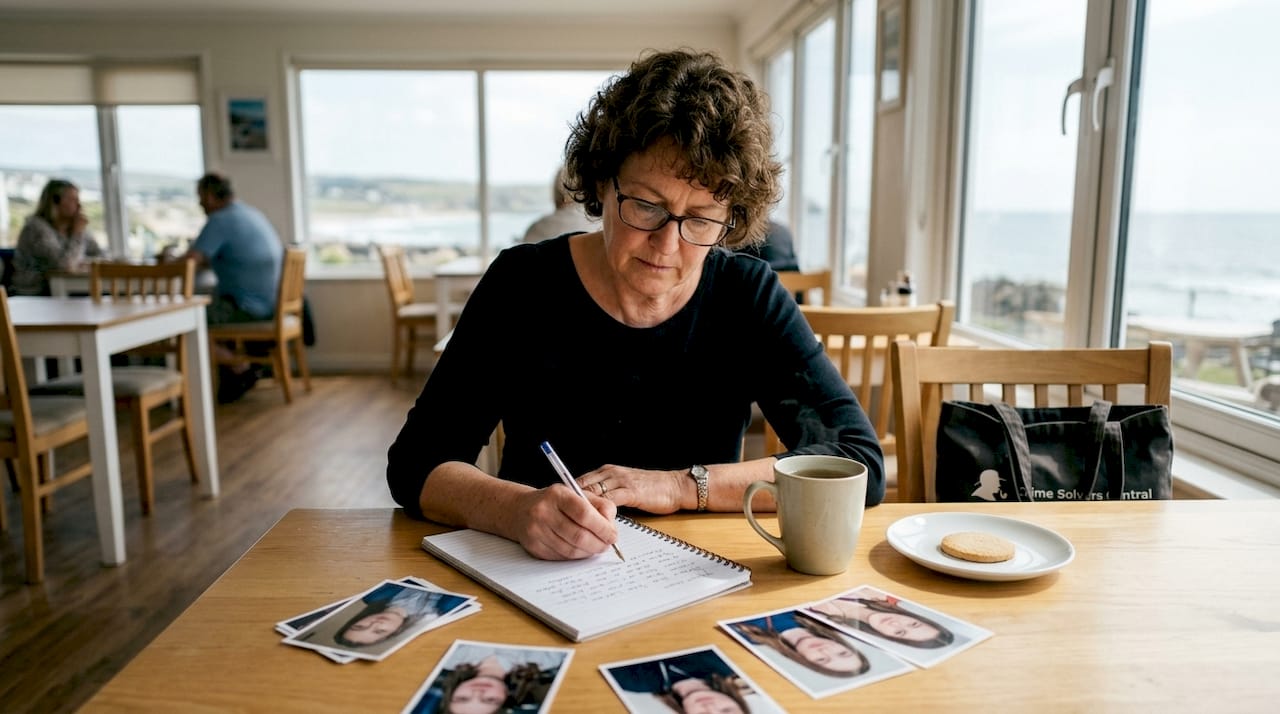
The most damaging common mistakes in a missing persons search are ones families make in the first hours: waiting to report, disturbing belongings, and flooding social media without coordination. These errors do not just slow investigators down. They destroy evidence, spread false leads, and reduce the statistical window for a safe recovery. Recognizing these pitfalls before they happen is the single most effective thing you can do when someone you love disappears.
1. Waiting to report because of the “24-hour rule”
No federal waiting period exists for reporting a missing person. The 24-hour rule is a myth, and immediate reporting is recommended by the Gabby Petito Foundation and SEARCH Investigations alike. Every hour of delay allows digital footprints, surveillance footage, and witness memories to degrade. Law enforcement can begin building a case file, issuing alerts, and coordinating resources the moment you make that call.
When you contact police, come prepared. The RCMP advises families to share detailed information at first report and continue updating investigators throughout the case. The more specific your information, the faster investigators can act.
Here is what to prepare before your first call:
-
Full legal name, date of birth, and physical description including height, weight, hair color, and distinguishing marks
-
Last known location, time, and who they were with
-
Recent photographs taken within the past six months
-
Medical conditions, medications, and mental health history
-
Vehicle description, license plate, and any known travel plans
-
Usernames for social media accounts and phone carrier information
Pro Tip: Write a factual timeline before you call. SEARCH Investigations confirms that a written timeline and physical description reduces investigative delays by giving officers a clear starting point rather than reconstructing events from memory.
2. Disturbing the missing person’s room, phone, or belongings
Touching, cleaning, or accessing a missing person’s space before law enforcement examines it is one of the most consequential errors in missing persons cases. Investigators rely on physical and digital evidence found exactly where it was left. A tidied room, a deleted text thread, or a cleared browser history can permanently close off investigative leads.

Digital evidence is especially fragile. Phones and computers should not be altered before formal law enforcement examination because location data, messages, and browsing history are time-sensitive. Accessing a device repeatedly can overwrite cached location data or trigger automatic syncs that delete cloud-stored content.
The same principle applies to physical spaces. Do not launder clothing left behind, move personal items, or allow others to enter the room. Law enforcement forensic teams use trace evidence, fingerprints, and scent materials that disappear with routine household activity.
-
Leave the missing person’s bedroom, bathroom, and personal spaces untouched
-
Do not charge, unlock, or scroll through their phone or laptop
-
Prevent other family members and friends from entering the space
-
Bag and preserve any items the person recently touched, such as a glass or hairbrush, in case DNA is needed
Pro Tip: Place a note on the door of the missing person’s room asking others not to enter. Simple physical barriers prevent well-meaning family members from accidentally destroying evidence.
3. Flooding social media with unverified information
Uncoordinated social media posting is one of the most underestimated errors in missing persons investigations. The Gabby Petito Foundation warns that flooding social media with unverified info causes direct harm by creating timeline confusion and distracting investigators from verified leads. A single incorrect detail shared thousands of times becomes nearly impossible to correct.
Before posting anything publicly, coordinate with your assigned law enforcement contact. Officers can advise on what details to share, what to withhold for investigative purposes, and how to frame a public appeal without compromising the case. Releasing certain information, such as the exact last known location or details about a suspect, can alert offenders and destroy the element of surprise investigators depend on.
The table below shows the difference between coordinated and uncoordinated social media activity:
| Action | Coordinated with law enforcement | Uncoordinated |
|---|---|---|
| Sharing last known location | Approved details only, timed strategically | Full details released immediately, potentially alerting suspects |
| Posting photos | Recent, verified images selected with investigators | Multiple unverified or outdated photos causing public confusion |
| Responding to tips | Tips routed directly to investigators | Tips managed by family, creating unofficial channels |
| Issuing updates | Consistent, factual statements | Contradictory posts from multiple family members |
Disorganized community searches carry the same risks. Community searches coordinated through police or professional search and rescue teams avoid evidence contamination and volunteer injury. An untrained group walking through a field can destroy footprints, scatter physical evidence, and create false trails that send investigators in the wrong direction.
4. Managing tips yourself instead of routing them to investigators
When a missing persons case goes public, tips arrive fast and from every direction. The instinct is to manage them yourself, filter them, and decide what matters. This is a critical mistake. The RCMP recommends that families act as conduits to police for incoming tips rather than evaluating them independently.
Investigators are trained to assess credibility, cross-reference tips against case details, and identify patterns across multiple submissions. Families are not. When tips pass through unofficial channels, they lose timestamps, contact information, and the chain of custody that makes them usable in court.
RCMP experience in large-scale searches shows that thousands of unverified tips can overwhelm investigation resources. The solution is not fewer tips. It is better routing. Every person who contacts you with information should be directed to call the investigating agency directly or submit through an official tip line.
-
Never promise confidentiality to tip submitters. Only law enforcement can make that guarantee.
-
Do not share tip details with other family members or on social media.
-
Keep a log of who contacted you and when, then hand the log to investigators.
-
Ask your police liaison officer for the official tip submission method and share it publicly.
5. Confronting suspected individuals on your own
Confronting someone you believe is connected to a disappearance feels like taking control. It is actually one of the most dangerous missing persons investigation mistakes a family can make. Confronting suspected individuals can escalate conflict, alert offenders to destroy evidence, and give suspects time to flee or coordinate alibis.
Law enforcement officers are trained in interview techniques designed to extract information without triggering defensive behavior. A family member showing up at a suspect’s door accomplishes the opposite. Even if the confrontation is calm, it signals to the suspect that they are under scrutiny, which changes their behavior in ways that complicate the investigation.
The same applies to online confrontations. Publicly naming or accusing individuals on social media before investigators have gathered evidence can result in defamation claims, tip off actual suspects, and send investigators chasing false leads generated by public pressure.
-
Report your suspicions directly to your assigned detective, not to friends or social media
-
Provide investigators with any documented evidence, such as screenshots or written records, without acting on it yourself
-
Trust that investigators have tools and legal authority you do not, including warrants and surveillance capabilities
6. Assuming the person left voluntarily
Assuming an adult disappeared by choice is one of the most common pitfalls in tracking missing persons, and it directly reduces the urgency of the response. Assuming voluntary disappearance risks overlooking medical, mental health, and environmental vulnerability factors that require immediate intervention.
Adults with depression, early-stage dementia, or substance dependency may appear to have left voluntarily when they are actually in crisis. Teenagers who seem to have run away may be in contact with someone who poses a serious threat. Law enforcement investigators are trained to assess these risk factors regardless of initial appearances, but only if the case is reported and treated with urgency.
Share every relevant detail about the missing person’s mental and physical health with investigators, even if it feels private. Medical history, recent behavioral changes, relationship conflicts, and financial stress all help investigators assess the actual risk level and allocate resources accordingly.
Key takeaways
Avoiding the most common missing persons search mistakes requires immediate reporting, evidence preservation, and full cooperation with law enforcement from the first moment.
| Point | Details |
|---|---|
| Report immediately | No waiting period exists; contact police the moment someone goes missing. |
| Preserve the scene | Leave rooms, phones, and belongings untouched until law enforcement examines them. |
| Coordinate social media | Clear all public posts with your police liaison before sharing any details. |
| Route tips to investigators | Direct all incoming information to official channels, not family members. |
| Avoid assumptions | Treat every disappearance as potentially high-risk regardless of age or circumstance. |
What I have learned from watching families navigate these cases
Working alongside families in missing persons cases, the pattern I see most often is not negligence. It is urgency without structure. The instinct to act immediately is correct. The problem is acting without coordination.
The families who see the best outcomes are the ones who make that first police call within hours, hand over devices without accessing them, and then step back to let investigators lead. That restraint is genuinely hard when someone you love is missing. But every time a family member cleans a room, posts unverified details, or confronts a neighbor, they are spending investigative currency that cannot be recovered.
Misinformation is the other silent killer of these cases. One wrong detail shared on Facebook can generate hundreds of false sightings, each of which pulls investigators away from real leads. I have seen cases where a single viral post with an incorrect vehicle description consumed weeks of investigative time. The grief support community, including organizations like Willow Tree Funerals, recognizes that families in crisis need structured support, not just emotional outlets. That same principle applies to search coordination.
The most important thing you can do is trust the process while staying actively engaged through official channels. Keep your timeline documented, your communications factual, and your cooperation unconditional.
— Crime
How Crimesolverscentral supports families in missing persons cases
Crimesolverscentral maintains a national cold case database covering over 264,913 missing persons and unsolved homicide cases, organized by state and situation. When you are searching for a loved one, this database gives you a structured way to cross-reference cases, identify patterns, and submit information that reaches investigators and community members simultaneously. Families who have used Crimesolverscentral describe it as a resource that keeps cases visible long after media attention fades. Beyond the database, the platform connects you with community members, fundraising opportunities, and health and safety initiatives designed to support active searches. If you are navigating a missing persons case right now, explore what Crimesolverscentral offers and submit any relevant tips through the platform.
FAQ
Is there a legal waiting period before reporting someone missing?
No waiting period exists under federal law or in most states. Report a missing person to law enforcement immediately, regardless of age or how long they have been gone.
What should I do with the missing person’s phone before police arrive?
Do not unlock, charge, or scroll through the device. Digital evidence including location data and messages can be overwritten by routine access, so leave the phone exactly where it is until investigators examine it.
Can I organize a community search on my own?
Coordinate any search effort through law enforcement or a professional search and rescue team first. Uncoordinated searches risk contaminating physical evidence and putting volunteers in danger.
Should I share everything on social media to get more eyes on the case?
Only post details that your police liaison has approved. Unverified information spreads quickly and can confuse timelines, alert suspects, and generate false tips that slow the investigation.
What if I think I know who is responsible?
Report your suspicions directly to the investigating detective with any documented evidence you have. Confronting suspected individuals or naming them publicly can compromise the case and put you at legal risk.