

How Audio Forensics Supports Cold Cases: 2026 Guide
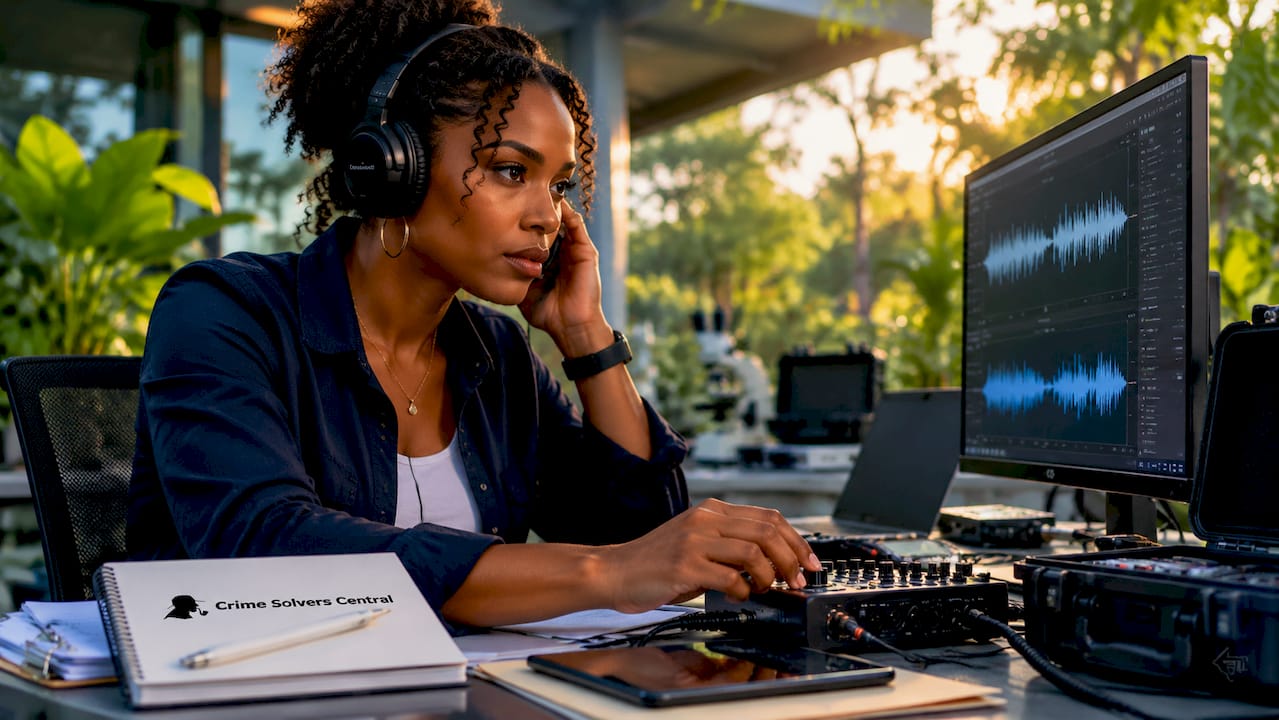
Audio forensics is the scientific analysis of sound recordings to extract, verify, and interpret evidence, and it is one of the most underused tools in cold case investigations. Detectives working decades-old homicides and missing persons cases often sit on boxes of degraded tapes, disputed 911 calls, and archived interview recordings that were never fully analyzed. Understanding how audio forensics supports cold cases means understanding how those recordings transform from noise into courtroom-ready evidence. This guide covers the core techniques, the AI platforms changing the field, the real obstacles investigators face, and the cases where sound analysis cracked what silence could not.
How audio forensics supports cold cases: core techniques
Forensic audio examination covers seven distinct categories: enhancement, authenticity analysis, timing, sound source identification, speaker comparison, transcription, and deepfake detection. Each category answers a different investigative question. A team that only enhances audio without first authenticating it risks building an entire case on a manipulated recording.
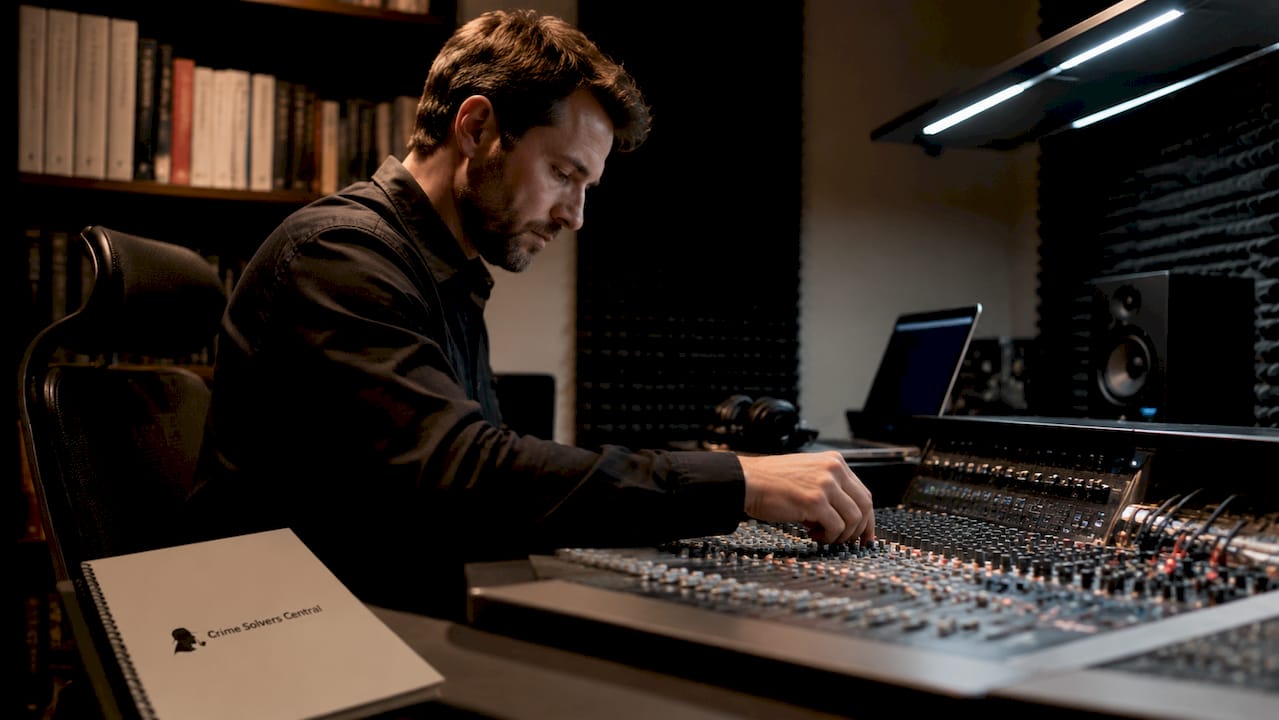
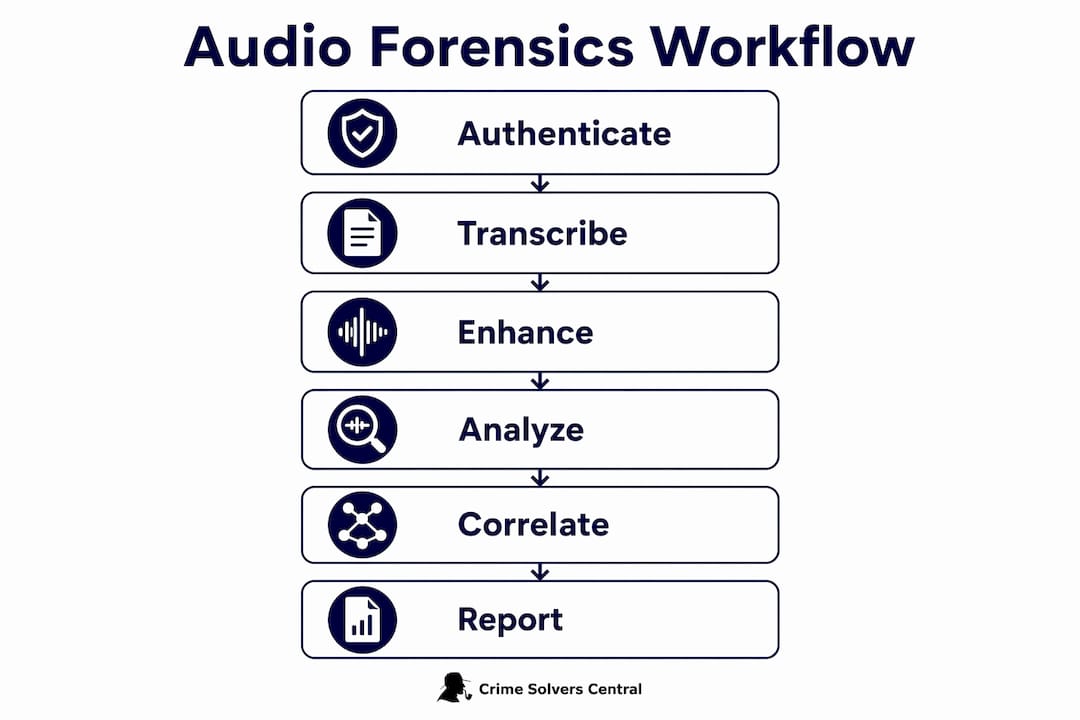
The correct workflow is authenticate first, then transcribe and enhance, then build an evidence timeline. Authentication establishes integrity and confirms the recording has not been altered since it was captured. Courts require this step before admitting audio as valid evidence. Skipping it does not save time. It destroys admissibility.
Here is what each core technique delivers in a cold case context:
- Authentication and integrity analysis: Confirms the recording is original and unaltered. Detects edits, splices, and metadata inconsistencies.
- Enhancement: Reduces background noise and improves speech intelligibility. Useful for disputed witness statements and degraded interview tapes.
- Transcription: Converts audio to searchable text. Enables keyword searches across hundreds of hours of archived recordings.
- Speaker comparison: Compares voice samples to identify or eliminate suspects and witnesses.
- Sound source and location analysis: Determines where a sound originated, which is critical for timeline reconstruction.
- Deepfake and manipulation detection: Uses prosodic feature analysis, including pitch, rate, and pause patterns, to identify synthetic or altered audio.
Pro Tip: Never submit audio for enhancement before authentication. An enhanced but unverified recording may be inadmissible, and any leads built from it become legally fragile.
Legal considerations run through every step. Chain of custody documentation, repeatable workflows, and defensible test selection are not optional extras. They are what separates forensic evidence from interesting audio.
How does AI transform audio forensics in cold case investigations?
AI platforms have changed what is possible with archived audio evidence. The Cold Case Foundation partnered with Veritone to use AI to transcribe 1990s interview tapes and unify fragmented case materials into a single searchable system. That means an investigator can now search thousands of hours of old recordings by keyword in minutes rather than weeks.
The practical gains are significant. Consider a cold case where a witness mentioned a specific vehicle model in a 1994 interview. That detail was buried in an untranscribed tape. A new surveillance recording from a related location surfaces in 2024. AI transcription of the old tape surfaces the vehicle mention. The investigator now has a cross-decade link that manual review would likely have missed entirely.
The table below shows how AI-assisted audio forensics compares to traditional manual methods across key investigative tasks:
| Task | Traditional method | AI-assisted method |
|---|---|---|
| Transcription of archived tapes | Manual listening, weeks per case | Automated, hours per case |
| Keyword search across recordings | Not feasible at scale | Instant across entire evidence set |
| Cross-case evidence linking | Analyst memory and notes | Unified database with automated flags |
| Deepfake detection | Limited, specialist only | Prosodic analysis tools available |
| Format normalization | Manual conversion, error-prone | Automated ingest and indexing |
Veritone’s iDEMS platform is one example of an AI system built specifically for law enforcement evidence management. It ingests audio and video from multiple formats, normalizes them, and makes the content searchable across an entire case archive. The efficiency gain lets investigators spend time on analysis rather than file conversion.
Deepfake detection has also advanced. A 2026 study confirmed that analyzing prosodic features, specifically pitch variation, speech rate, and pause patterns, improves the accuracy of identifying synthetic audio. This matters for cold cases where recordings submitted as new evidence may have been manipulated before submission.
The numbered steps below show how an AI-assisted audio forensics workflow runs in practice:
- Ingest all audio and video evidence, regardless of format, into a unified platform.
- Normalize formats and extract audio tracks for analysis.
- Run automated transcription across all recordings.
- Index transcripts for keyword and entity search.
- Flag cross-case matches for investigator review.
- Apply authentication and deepfake detection to flagged recordings.
- Submit verified, transcribed recordings as evidence with full chain-of-custody documentation.
What challenges limit audio forensics in cold cases?
Format fragmentation is the first obstacle most cold case teams hit. Evidence from the 1980s and 1990s arrives on VHS tapes, microcassettes, reel-to-reel recordings, and early digital formats that modern equipment cannot read without conversion. Each format requires different ingest hardware and software. A single cold case can involve five or six incompatible media types.
Recording conditions create a second layer of difficulty. Codecs, background noise, and microphone mismatch all limit what forensic conclusions are defensible. A recording made on a consumer cassette recorder in a noisy environment may not support speaker identification, regardless of how much enhancement is applied. Forensic practitioners must select tests appropriate to the recording quality and document those conditions fully.
“Clearer audio does not automatically ensure legal admissibility. Authentication and chain of custody remain critical for court use.” — TrueScreen digital evidence guide
The legal risks compound the technical ones. Courts exclude audio evidence when authentication is absent or chain of custody is broken. Investigators who enhance audio first and authenticate second often discover the enhancement itself is challenged as a modification. The solution is documented protocols applied in the correct sequence, every time.
Key challenges at a glance:
- Outdated media formats: VHS, microcassette, and early digital formats require specialized conversion before analysis.
- Degraded recording quality: Age, storage conditions, and original recording equipment all reduce intelligibility.
- Authentication gaps: Missing chain-of-custody records make recordings vulnerable to legal challenge.
- Overreliance on enhancement: Enhancement without prior authentication risks inadmissibility.
- Codec and channel mismatch: Compression artifacts and mono/stereo inconsistencies limit speaker comparison accuracy.
Practical applications: how audio forensics has advanced real cold cases
The 2026 Bondi terror attack investigation showed what gunshot audio signature analysis can do when applied to multiple simultaneous recordings. Forensic experts identified a 9mm weapon’s distinct acoustic signature across several video recordings captured by different bystanders. By measuring the time gaps between the same gunshot appearing on each recording, investigators synchronized the video timeline and narrowed the firearm’s location. The technique produced a spatial and temporal map that no single camera could have provided alone.
Cold case audio techniques have also produced results in archival investigations. The Cold Case Foundation’s work with Veritone converted decades-old interview tapes into searchable transcripts. Investigators searching those transcripts found witness statements containing details that had never been cross-referenced against physical evidence. One transcript search surfaced a vehicle description that matched a lead in a separate but related case. That kind of cross-case link is only possible when audio evidence is transcribed and indexed.
The comparison below shows how audio forensics integrates with other evidence types to build a complete case picture:
| Evidence type | Audio forensics contribution | Combined investigative value |
|---|---|---|
| Video recordings | Synchronization via audio timestamps | Accurate spatial and timeline reconstruction |
| Witness statements | Transcription and speaker verification | Confirmed identity and statement consistency |
| 911 calls | Intelligibility enhancement and transcription | Clearer record of reported events |
| Physical evidence | Sound source location analysis | Corroborates or challenges physical findings |
| Archived interviews | Keyword-searchable transcripts | New leads from previously inaccessible content |
Pro Tip: When audio forensics produces a new lead, cross-reference it immediately against the physical evidence log and any existing cold case audit findings. Isolated audio leads gain strength when they align with physical or documentary evidence.
Nonprofit cold case task forces have adopted audio forensics as a standard tool alongside DNA testing and video analysis. The combination of forensic disciplines produces prosecutorial evidence that is harder to challenge than any single method alone. For families of missing persons, the practical meaning is straightforward. A tape that sat in an evidence box for 30 years may now contain the lead that reopens the case.
Key Takeaways
Audio forensics turns degraded, archived recordings into authenticated, searchable evidence that directly advances cold case investigations.
| Point | Details |
|---|---|
| Authenticate before enhancing | Authentication must precede enhancement to preserve legal admissibility in court. |
| AI accelerates archival analysis | Platforms like Veritone’s iDEMS convert decades of tapes into searchable transcripts within hours. |
| Format fragmentation is the first barrier | Cold case teams must normalize VHS, cassette, and early digital formats before analysis begins. |
| Technique selection matters | Each forensic audio exam answers a specific question; applying the wrong test produces unreliable results. |
| Audio integrates with all evidence types | Combining audio forensics with video, DNA, and physical evidence produces the strongest prosecutorial case. |
What I have learned working cold cases and audio evidence
The field gets oversimplified constantly. Families hear “we enhanced the audio” and assume the case is solved. Law enforcement sometimes treats transcription as the finish line. Neither is true.
Authentication is the unglamorous step that determines whether any of the other work matters. I have seen cases where excellent enhancement work was thrown out because no one documented the original recording’s chain of custody. The audio was clear. The evidence was gone.
AI tools like Veritone’s iDEMS are genuinely useful, but they surface leads. They do not evaluate them. A trained forensic examiner still has to assess whether a speaker comparison is defensible, whether a sound source analysis holds up under cross-examination, and whether the recording conditions support the conclusions being drawn. The technology compresses the search. The human judgment determines what the search found.
The most promising development in the field is the integration of audio forensics into unified evidence management systems. When transcripts, authentication records, and cross-case links live in one searchable platform, investigators stop losing leads to filing systems. That is where the real gains are. Not in any single technique, but in the architecture that connects them.
The families who contact Crimesolverscentral often ask whether old recordings are worth analyzing. The answer is almost always yes. The question is whether the right workflow and the right expertise are applied in the right order.
— Crime
Crimesolverscentral: connecting audio leads to cold case databases
Audio forensics generates leads. Acting on those leads requires access to organized, searchable case data. Crimesolverscentral maintains a national database of over 264,913 cold cases, categorized by state and situation, covering missing persons and unsolved homicides. When audio analysis surfaces a new name, vehicle, or location, investigators and families can cross-reference it directly against the cold case database to identify connections across cases. The platform also supports community involvement through membership and fundraising, giving families a direct role in advancing investigations. For anyone working a cold case where audio evidence has produced new leads, Crimesolverscentral is the logical next step.
FAQ
What is audio forensics in a criminal investigation?
Audio forensics is the scientific examination of sound recordings to extract, authenticate, and interpret evidence for use in criminal investigations. It covers enhancement, speaker comparison, transcription, and manipulation detection.
Can old audio recordings from the 1990s still be analyzed?
Yes. AI platforms like Veritone’s iDEMS ingest and normalize outdated formats, then produce searchable transcripts from decades-old tapes. Recording quality affects what conclusions are defensible, but analysis is almost always possible.
Does enhanced audio automatically become admissible in court?
No. Authentication and chain of custody must be established before enhancement for a recording to be admissible. Enhancement alone does not satisfy legal evidentiary standards.
What is the correct workflow for forensic audio analysis?
The correct sequence is authenticate first, then transcribe and enhance, then build an evidence timeline. Reversing this order risks producing inadmissible or legally challenged evidence.
How does audio forensics help families of missing persons?
Audio forensics can convert archived interview tapes and 911 calls into searchable transcripts, surface overlooked witness details, and produce new investigative leads in cases that have been inactive for years.